
Audio editing is a core part of producing music, podcasts, voiceovers, and video-first content. In 2026, audiences expect clean vocals, balanced mixes, and consistent loudness across every platform, which makes editing and mixing just as important as the recording itself. The tools have also evolved. Many editors and DAWs now include AI-assisted features like noise cleanup, voice enhancement, and stem separation, which can dramatically speed up workflows for creators and professionals alike. With more creators producing audio alongside video, the demand for fast, reliable editing and polishing has only grown.
There are many audio editing tools available, but only a few stand out for stability, sound quality, workflow, and feature depth. Below is a list of 15 audio editing tools worth considering in 2026 to help you produce cleaner, more professional tracks, whether you are just starting out or working at a studio level.
1. Magix Samplitude
Magix Samplitude is an audio editing tool for music production. The tool offers various professional features.
Key Features:
-
You can create flawless transitions with this tool.
-
You can create different monitoring paths to integrate playback easily.
-
The tool offers an MDI channel for parallel modulation.
-
The tool has more than 11 virtual instruments.
Cost:
Request a quote on their website.
2. Ocenaudio
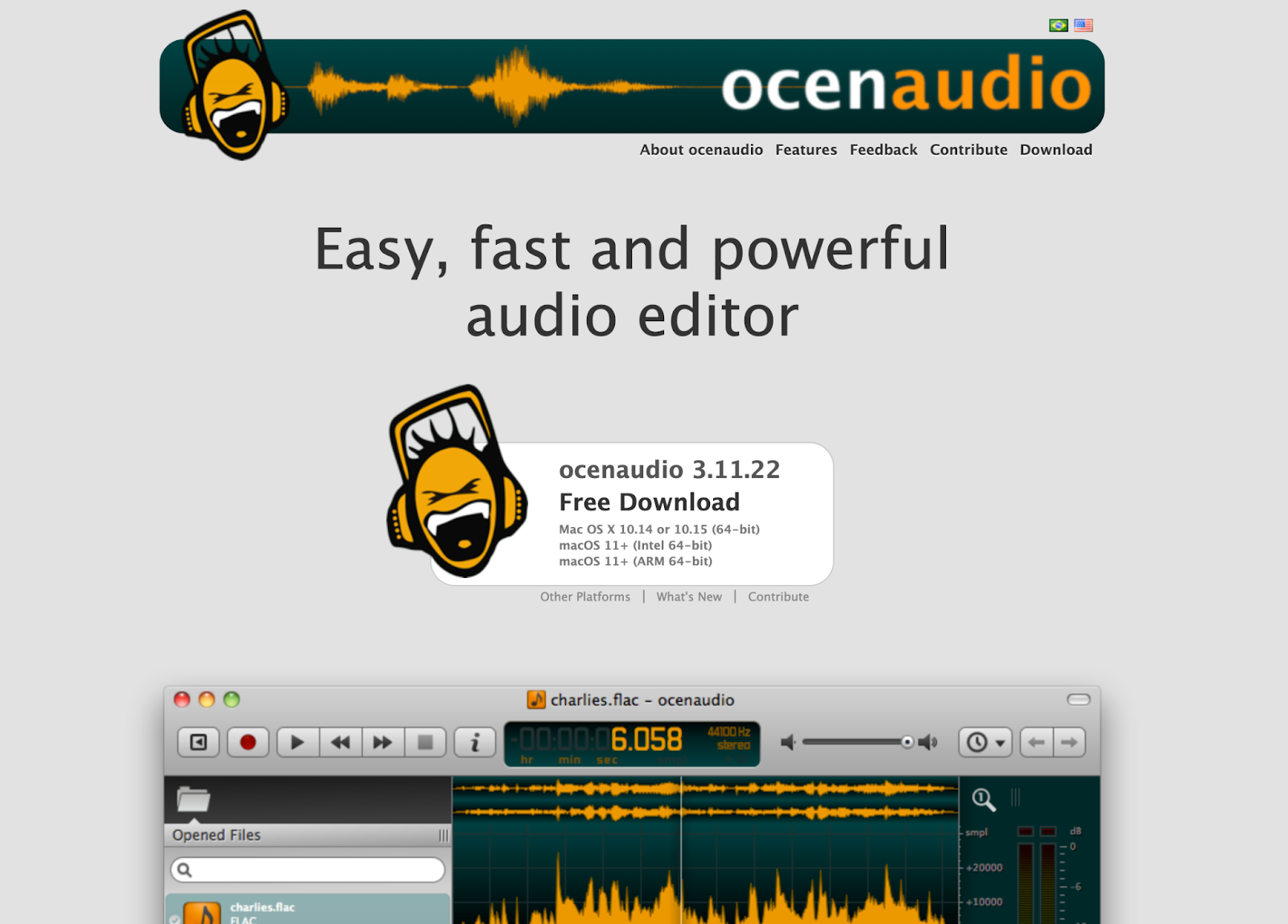
Oceanaudio is an easy-to-use and powerful audio editing tool. The tool offers excellent features.
Key Features:
-
While using the tool, you can see the effects in real time.
-
It provides cross-platform support.
-
The tool offers a vast library of effects.
-
It is easy to use, which makes it helpful for beginners.
-
The tool helps you work on voice modulation easily.
-
You can edit large audio files without any lag.
-
It has a fully featured spectrogram.
-
The tool has many keyboard shortcuts to make editing simpler.
Cost:
It is free, but you can donate to the tool.
3. Ableton Live

Ableton Live is an audio editing tool that helps musicians manage during live performances.
Key Features:
-
The tool has a multi-channel panning feature that is designed for handling performances.
-
The tool can hide and reveal automated data with one click.
-
The tool provides a vast collection of tools to sequence pitch shifts, delays, and melodies.
-
You can record a live session by clicking on the recording button.
-
You can add drum beats to your music.
Cost:
Live 11 Intro: USD 99
Live 11 Standard: USD 449
Live 11 Suite: USD 749
4. Steinberg Cubase
Steinberg Cubase is an audio editing tool that allows you to mix, produce and create music.
Key Features:
-
The tool has many flexible elements.
-
The tool provides virtual instruments, effects, and sounds.
-
You can do group editing with this tool.
-
You can perform direct offline processing.
-
The time stretch feature allows you to change the tempo and length of the audio.
-
The tool can import and export an XML file.
-
The tool has a drag-and-drop feature.
Cost:
They offer a free trial.
Cubase Pro 12: $579.99
Cubase Artists 12: $329.99
Cubase Elements 12: $99.99
5. Studio One
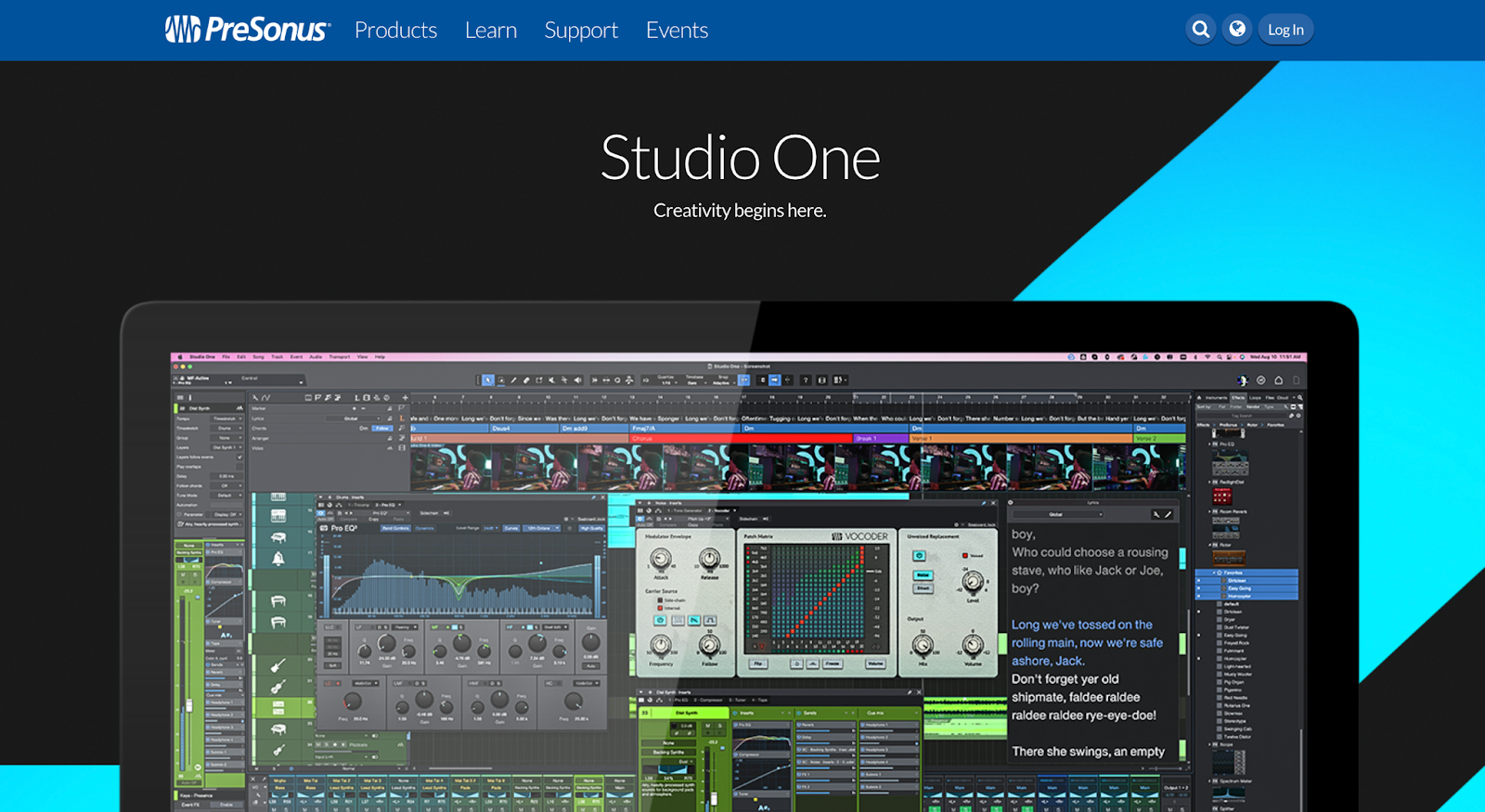
Studio One is an audio editing tool for musicians. This tool makes music production simple.
Key Features:
-
It has a drag-and-drop interface.
-
You can convert MIDI to audio and the other way around.
-
The tool offers acoustic kits and a drum editor.
-
You can group edit.
-
You can seamlessly arrange and shuffle chords with this tool.
-
FX chains can be copied from one channel to another.
Cost:
PreSonus Sphere: $14.95/mo, $164.95/yr
Studio One Professional: $399.95
Studio One Artist: $99.95
6. Adobe Audition

Adobe Audition is an audio editing tool where you can edit, mix, and restore audio efficiently.
Key Features:
-
The tool speeds up the process of audio editing and video production.
-
You can import and export various audio formats.
-
You can integrate music clips within the audio recording.
-
An audio break can be repaired.
-
Editing and recording can be done without any hassle with this tool.
Cost:
A free trial is available, and the starting price is $20.99/per mo.
7. Avid Pro Tools Studio
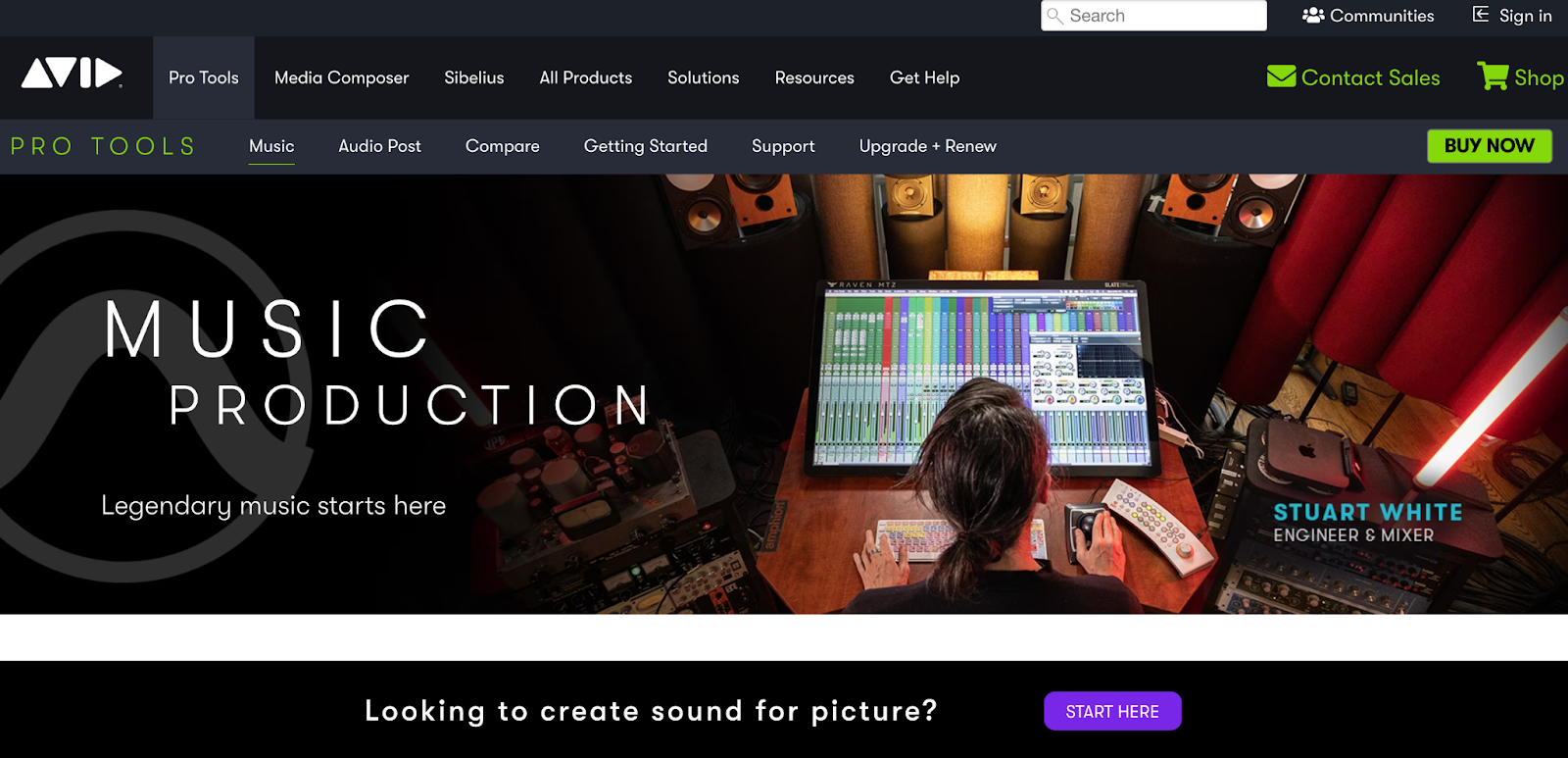
Avid Pro Tools Studio is an audio editing tool that offers various beats and features to make audio editing professional.
Key Features:
-
You can manipulate MIDI tracks and audio.
-
It has a drag-and-drop interface.
-
The tool provides cloud collaboration.
-
It offers 23 plugins.
-
You can tweak the audio pitch and timing.
Cost:
You can request a quote on their website.
8. Audacity
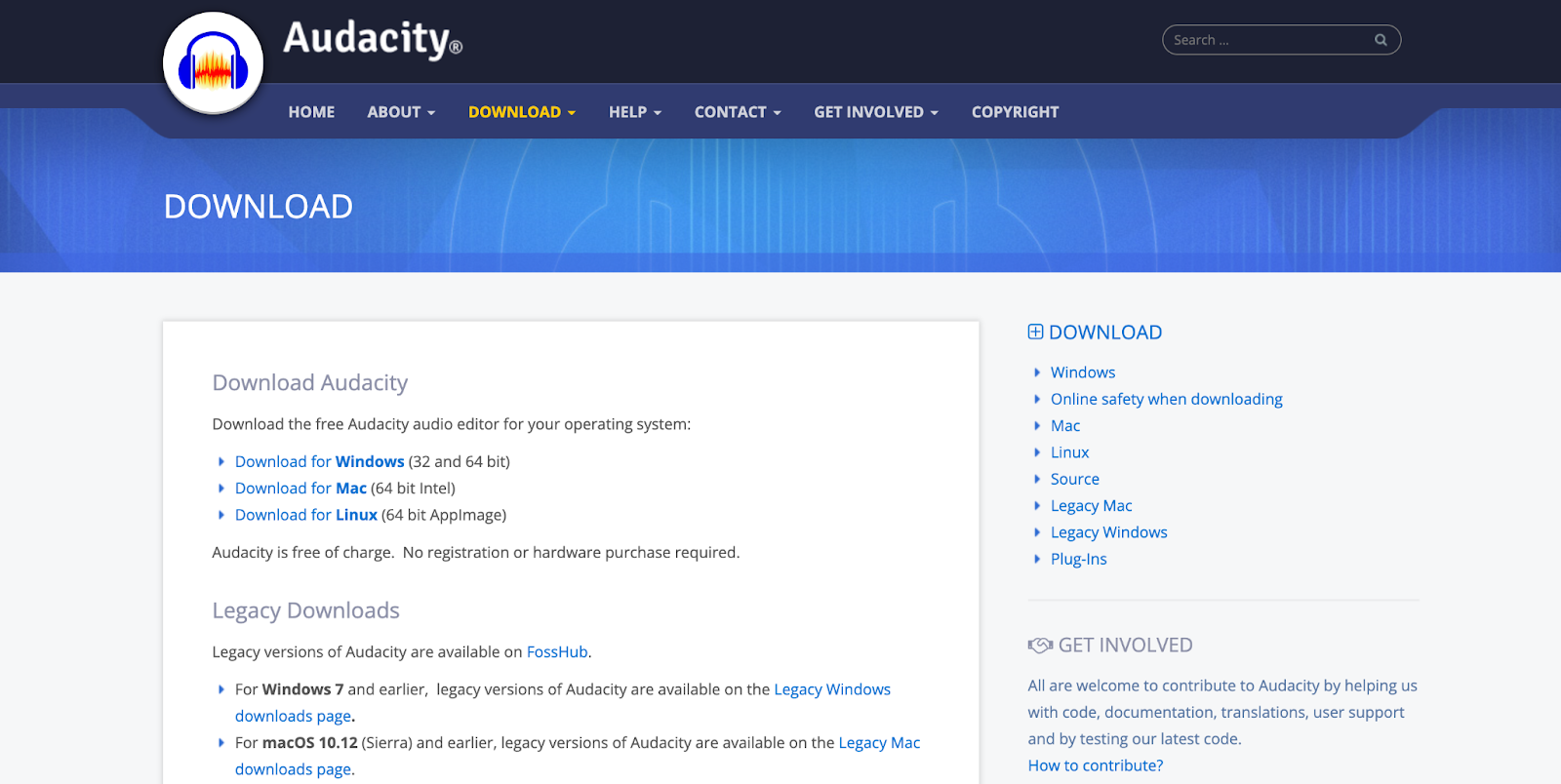
Audacity is an audio editing tool that is easy to use and efficient.
Key Features:
-
The editing process on this tool is simple.
-
The tool provides a real-time preview of effects.
-
It supports sound qualities that are 16-bit, 32-bit, and 24-bit.
-
You can import and export files such as OGG, FLAC, WAV, MP3, and more.
Cost:
It is free.
9. Soundop

Soundop is a professional audio editing tool.
Key Features:
-
The tool allows you to edit metadata across formats.
-
You can record and mix multiple tracks.
-
It has high DPI display support.
-
With this tool, you can burn your tracks to CD.
-
Provides support for spectral editing
Cost:
The starting price is $99.
10. Sound Forge
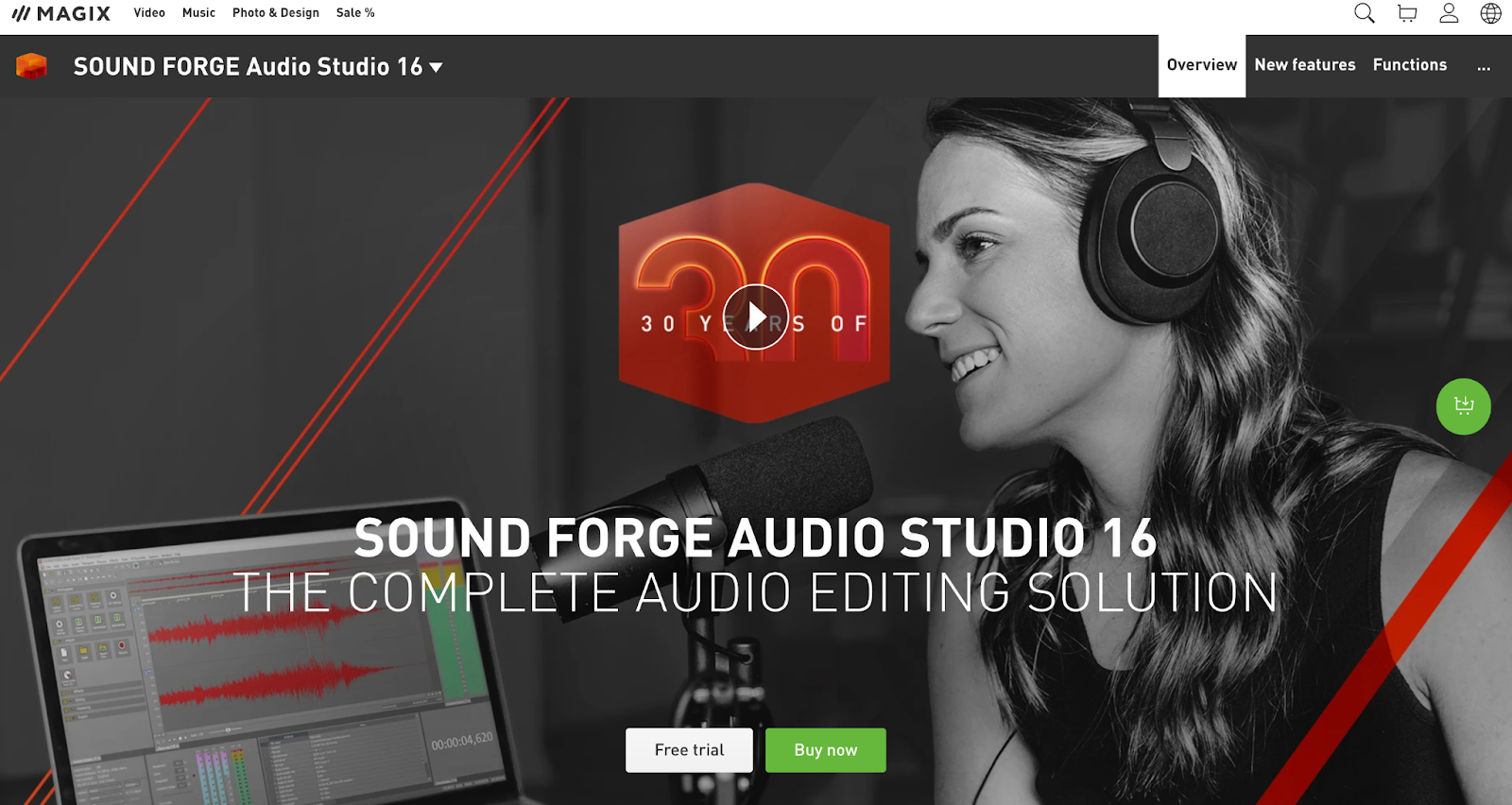
Sound Forge is an audio editing tool that helps in recording, audio editing, and restoration.
Key Features:
-
The tool is easy to use.
-
It has various plugins and presets.
-
The tool has a remote recording feature.
-
The tool offers real-time monitoring and live waveform.
-
You can edit on six channels simultaneously.
Cost:
Check the website for all the details regarding the cost of the tool.
11. Audio Director 365
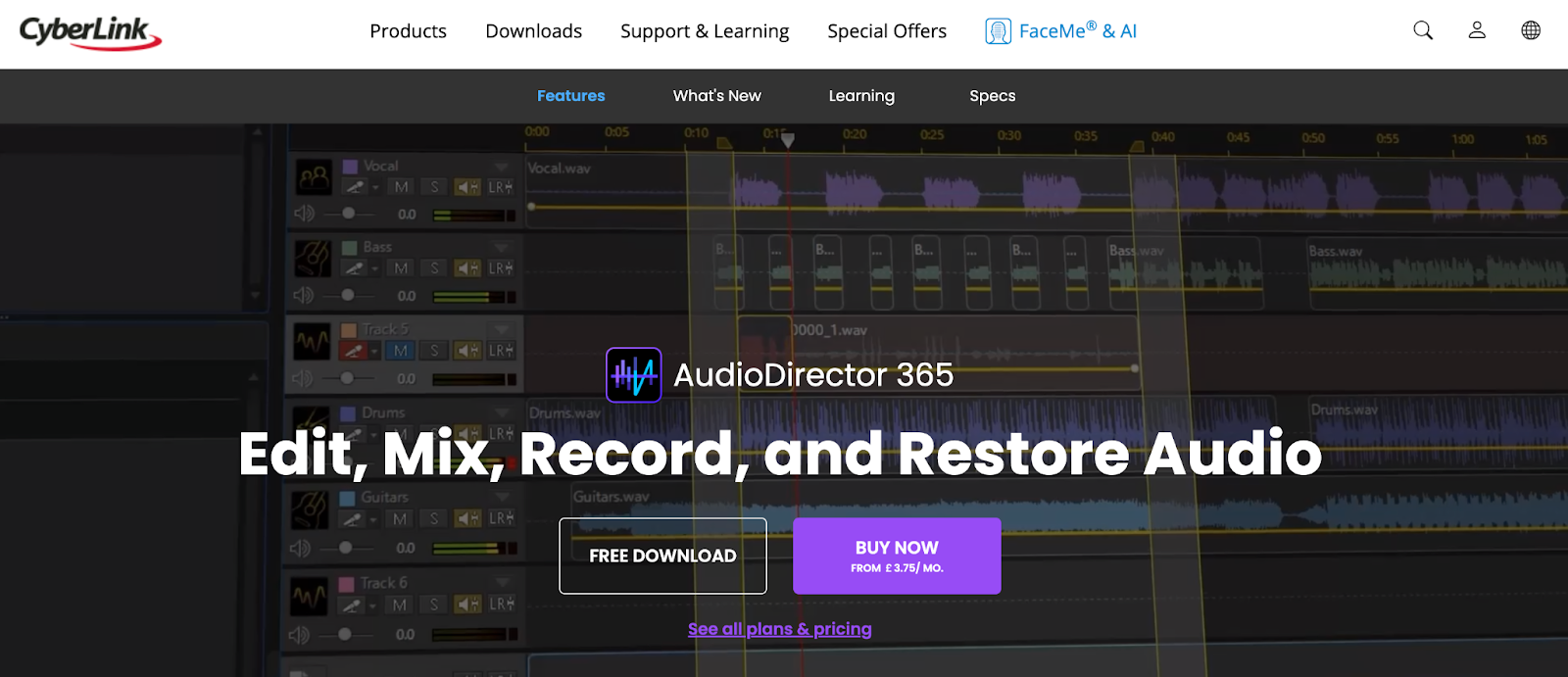
Audio Director 365 is an audio editing tool for audio editing and mixing.
Key Features:
-
With this tool, you can add background tracks to projects.
-
It separates vocals from songs.
-
The tool has an AI speech enhancement feature.
-
You can balance your vocals in your audio tracks.
-
The tool provides multi-channel device recording.
Cost:
$19.99 monthly.
12. FL Studio

FL Studio is an audio editing tool that helps compose, edit, record, and mix music.
Key Features:
-
The tool allows you to add various melodies.
-
You can create sound sequencing efficiently.
-
The tool offers more than 80 plugins.
Cost:
You can check the website for all the cost details.
13. Soundation
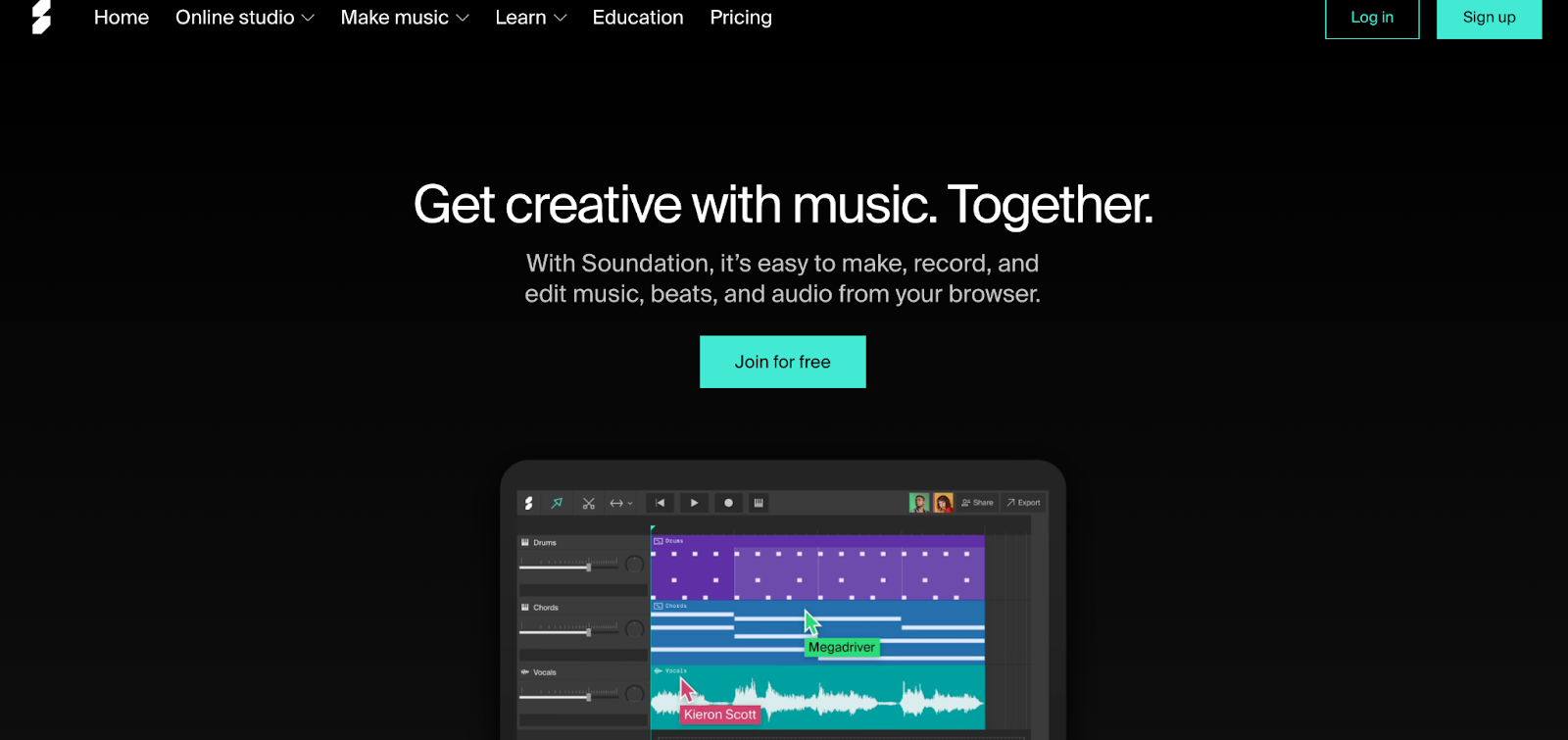
Soundation is audio editing that helps in making beats instantly.
Key Features:
-
The tool allows you to collaborate and make music.
-
The tool offers 20,000 plus loops and samples.
-
It is easy to use.
-
The tool syncs data in real-time.
Cost:
Starter Yearly: $4.99/mo
Creator Yearly: $9.99/mo
Pro Yearly: $29.99/mo
14. Acoustica

Acoustica is an audio editing tool that is easy to use and helps you produce high-quality audio.
Key Features:
-
The tool offers MIDI.
-
You can edit various tracks.
-
You can import tracks from any CD.
-
It has a massive loop library.
-
The tool provides effects and instruments.
Cost:
You can visit the website for all the cost details.
15. MIXXX

MIXXX is an open-source audio editing tool. It is best suited for DJs.
Key Features:
-
The tool helps integrate live music mixes with digital files.
-
You can loop sound with this tool.
-
The tool offers various unique effects.
Cost:
It is free.
Things to Consider When Choosing an Audio Editing Tool
Price
Checking the price is very important. If you are a beginner, opting for audio editing tools that are less expensive or open source is better. It might not always benefit you if you are a beginner and invest in an expensive tool. In case you are a professional, you can consider opting for an expensive audio editing tool.
Features
Take a look at all the audio editing features the tool offers. Only invest in an audio editing tool that caters to all your needs. Some audio editing tools might not have the features you want, which is why checking all the features is important.
Compatibility
When you choose an audio editing tool, ensure that the tool is compatible with your device. If it does not work well on your device, it might be hard for you to edit the audio. Compatibility is a must for smooth editing.
Conclusion
Clear, well-edited audio is what makes a track feel professional, no matter the genre or format. In 2026, the best audio tools are the ones that help you work faster without sacrificing quality by combining strong editing, mixing, and restoration features with modern capabilities like AI-assisted cleanup and stem workflows.
When choosing an audio editing tool, focus on what matches your workflow: compatibility with your device, the plugins and instruments you need, and whether you require advanced features like multitrack recording, spectral repair, collaboration, or deliverables for newer formats such as immersive audio. The right choice will help you spend less time fixing problems and more time creating music that sounds polished, balanced, and ready to release.
FAQs
What Are Audio Editing Tools?
Audio editing tools are platforms or programs that help mix, edit and create music. These tools make audio editing easy. The main feature of audio editing tools is to make the result feel professional.
When Should You Consider Using an Audio Editing Tool?
If you want to create audio projects or music, you must consider using audio editing tools. Audio editing tools will make your music project look professional, and you can edit your project without any hassle.
Audio editing tools will help you make changes to your audio and record and will help you mix audio.
Are Audio Editing Tools Good for Beginners?
There are a few audio editing tools that are best for beginners. Beginners do not need advanced features to work on projects. You can install free audio editing tools for making music if you are a beginner.
Even the free audio editing tools are good and have a friendly user interface.
What Is Midi?
MIDI means Music Instrument Digital Interface. It provides electronic instruments and digital musical tools to work or communicate with each other. MIDI works on a series of instructions such as "note off," "note on, "pitch bend," and many more. MIDI interprets these instructions, and sound is produced.
How Much Does an Audio Editing Tool Cost?
The price varies for each tool. The price of a premium tool will be higher than the beginner or intermediate tool. There is no fixed price; each company sets its prices according to the features they are providing. There are free audio editing tools if you are not looking for paid tools.
