If you feel buried under the complexity of modern AI development, you are not imagining it. By 2026, building, deploying, and operating AI powered systems has become a tangle of fragmented tools, overlapping platforms, and constant context switching. One day you are debugging model deployment pipelines, the next you are chasing broken integrations between your CRM, automation stack, and data warehouse, and somehow critical customer updates are still handled manually. The core problem is not ambition or talent. It is that most workflows were never designed for AI first systems that span models, agents, data, and operations.
The hard truth is that many teams still spend the majority of their time on coordination, tool maintenance, and manual work instead of shipping value. Traditional development and sales workflows strain under AI driven complexity, and the cracks show up as delays, brittle systems, and burned out teams. This guide focuses on a small set of tools that teams are actually using in production to reduce that drag. Each one is evaluated for where it truly helps, where it does not, and what kind of team it realistically fits.
Quick Comparison Overview
| Tool | Primary Use Case | Deployment Speed | Learning Curve |
|---|---|---|---|
| Clarify | AI-powered sales automation | 1-2 weeks | Easy |
| xpander.ai | AI agent development platform | 2-4 weeks | Moderate |
| Anything | No-code app development | 1 week | Easy |
| Qoder | AI-assisted coding environment | Few days | Easy |
| ModelZoo | Pre-trained AI model marketplace | 1-3 days | Easy |
| DataRobot | Enterprise AI/ML operations | 4-8 weeks | Complex |
Clarify — The CRM That Actually Works for Modern Sales Teams
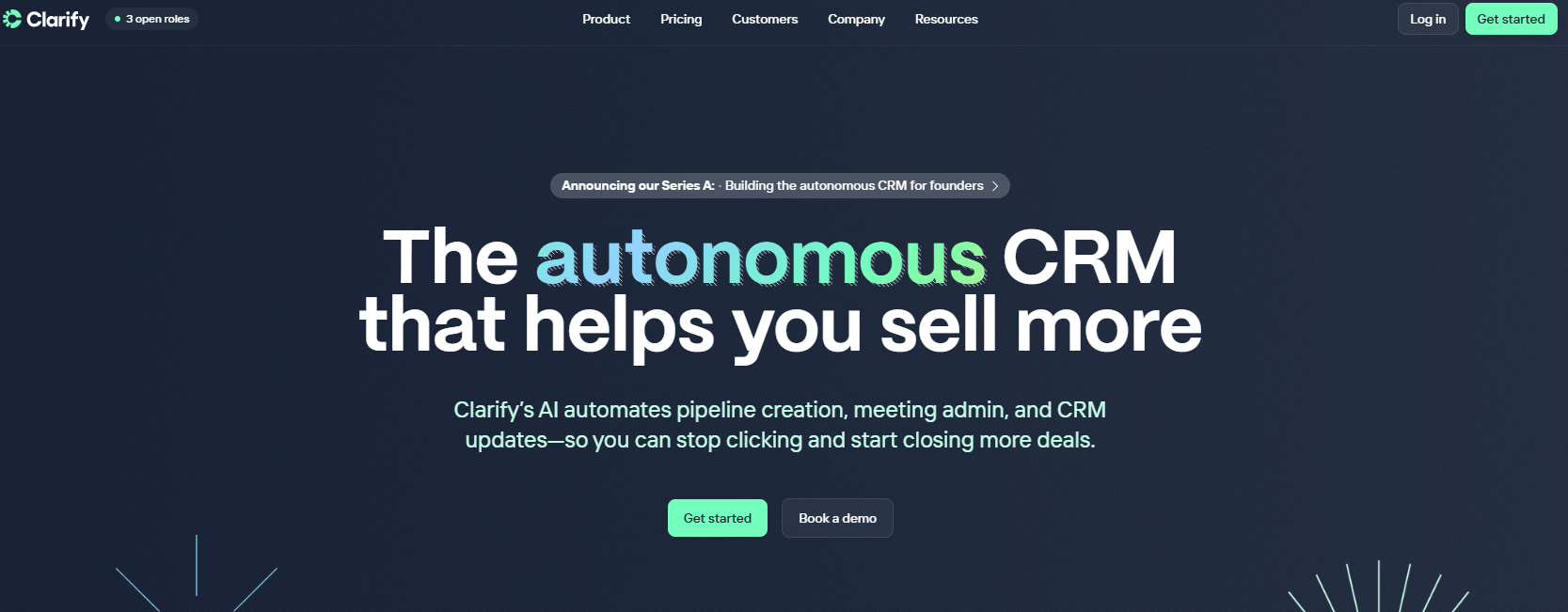
Perfect for: Sales teams tired of data entry and CRM maintenance
The problem with most CRMs? They promise to make you more efficient but end up becoming another administrative burden. The average seller spends more of their time on non-selling tasks, with CRM maintenance topping the list.
Clarify connects to email, calendar, and call data, and uses AI to summarize meetings, suggest field updates, track pipelines, and prep for customer calls. Think of it as having an AI assistant that actually understands your sales process and handles the busy work automatically.
What sets it apart:
- Unifies customer data from emails, calls, meetings, and product activity into a single system, offering smart automation for lead capture, deal updates, and meeting summaries
- Design flexible automations that connect tools—no-code workflows that run exactly how your team needs
- Real-time performance dashboards that spot risks early
Real-world results: Seattle startup Clarify lands $15M to take on Salesforce with AI-native 'autonomous CRM', showing serious investor confidence in their approach.
Best fit: Early-stage teams and founders who need CRM functionality without the complexity of enterprise solutions.
Watch out for: May require integration work with existing sales tools for optimal performance.
xpander.ai — The Complete Backend for AI Agents
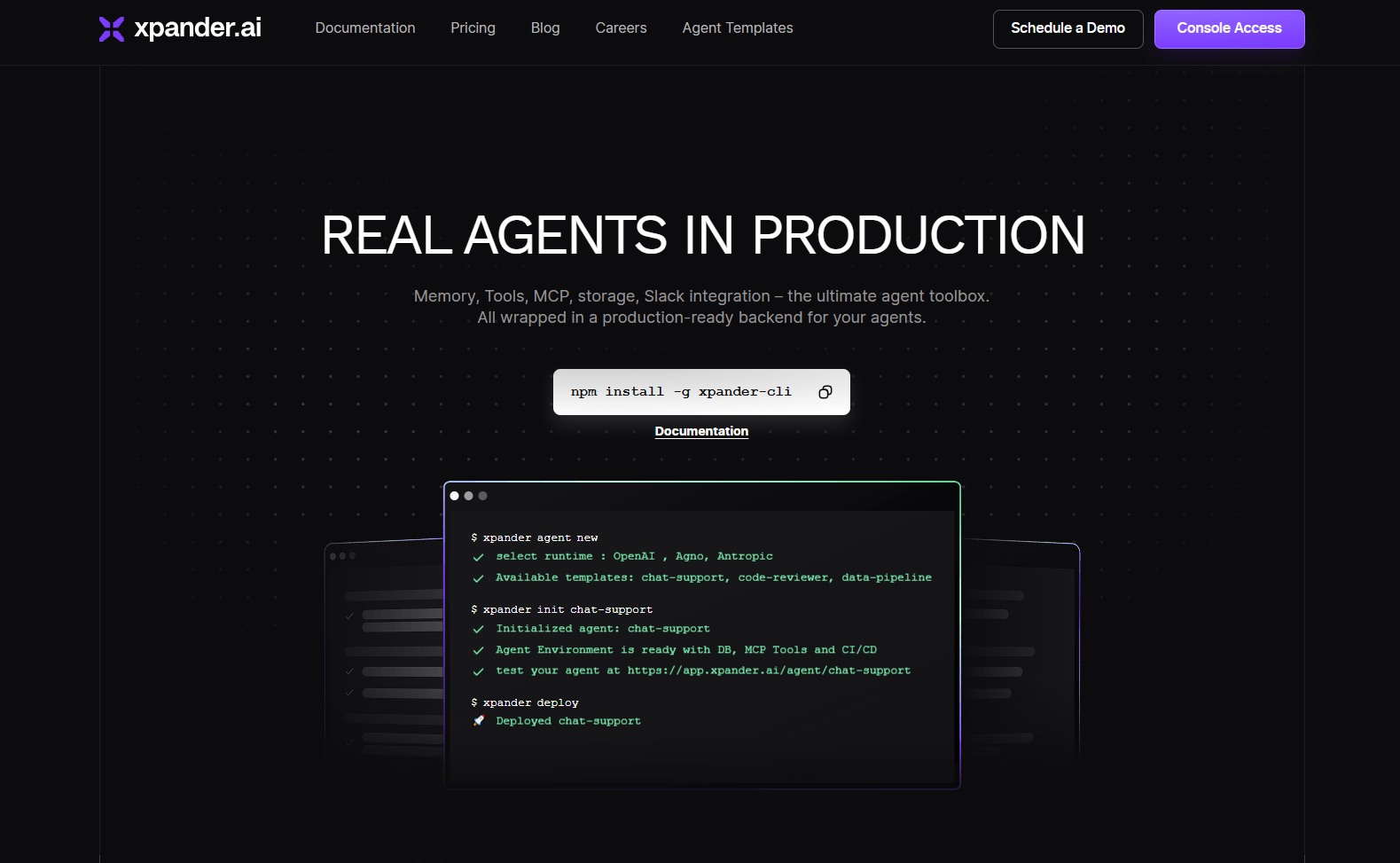
Perfect for: AI engineers building production-ready agent applications
Building AI agents is hard enough without having to reinvent the backend infrastructure every time. xpander.ai is designed to solve the deployment, testing, and management challenges that turn promising AI projects into logistical nightmares.
xpander.ai team, an AI Agent platform built specifically for AI Engineers, giving you the ultimate toolbox for building and running agents. It's essentially a complete backend-as-a-service platform designed specifically for AI applications.
Core capabilities:
- Backend-as-a-Service for AI Agents. Equip any AI Agent with tools, memory, multi-agent collaboration, state, triggering, storage, and more
- Built-in OAuth flows for dozens of SaaS platforms (e.g., GitHub, Jira, Google Drive)
- This mechanism reduces large language model (LLM) costs by over 80%, as routine messages are filtered out before triggering expensive inference
Integration benefits: xpander AI to equip your NVIDIA NIM application with agentic tools, making it enterprise-ready from day one.
Best fit: Development teams building complex AI agent systems that need robust infrastructure without the overhead.
Watch out for: Newer platform with a learning curve for teams unfamiliar with agent-based architectures.
Anything — Democratizing App Development
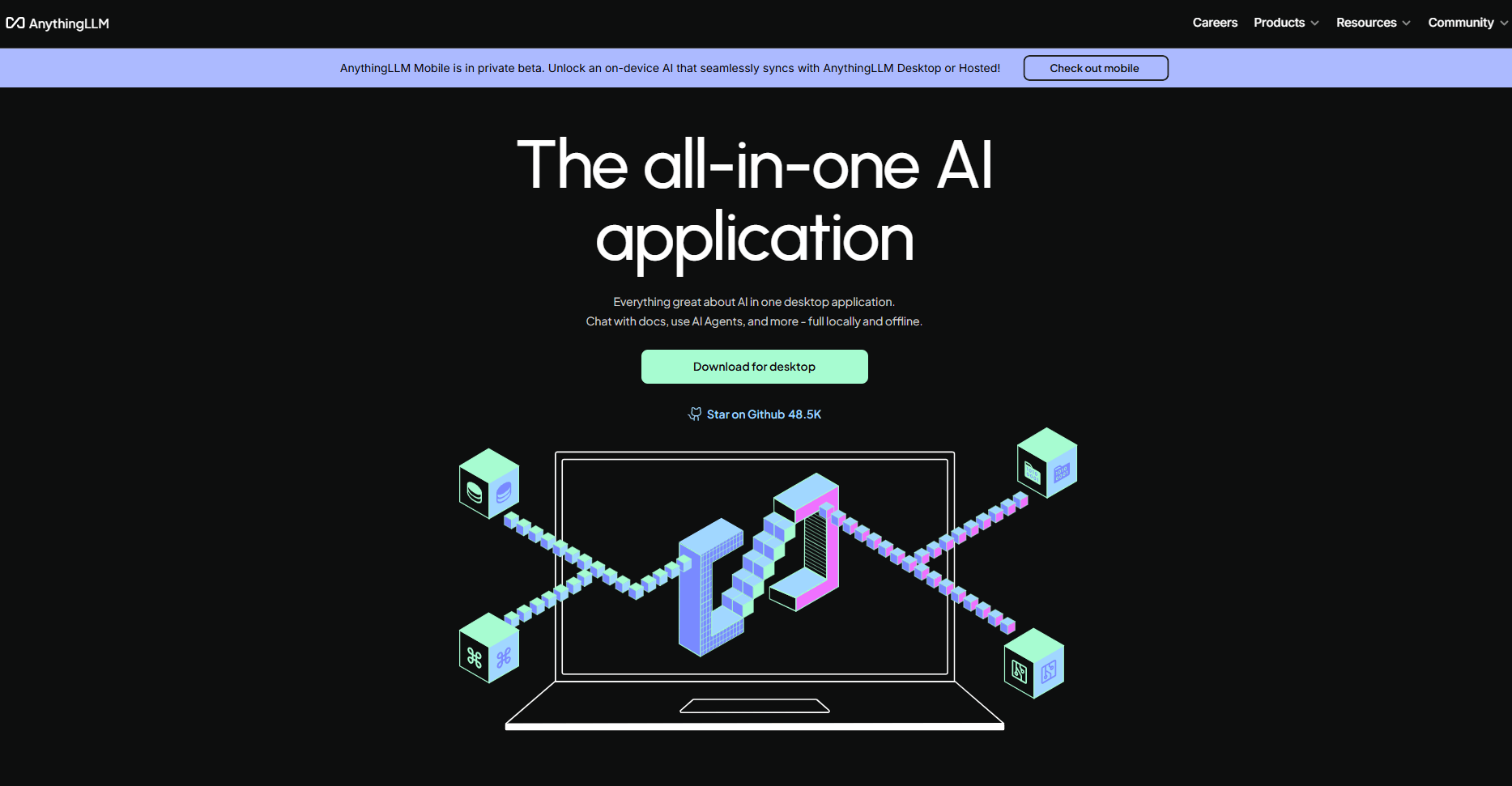
Perfect for: Teams that need apps built quickly without extensive coding
The no-code movement promises rapid app development, but most platforms either oversimplify to the point of uselessness or become so complex they defeat the purpose. Anything strikes a balance by providing powerful development capabilities in an accessible interface.
What makes it valuable:
- Unified platform for both mobile and web app development
- Pre-built components and templates that actually work in real applications
- Deployment pipeline that handles the technical complexity automatically
Best fit: Small to medium businesses that need custom applications but don't have large development teams.
Watch out for: Complex enterprise applications with specialized requirements may need custom development instead.
Qoder — AI-Assisted Development Done Right
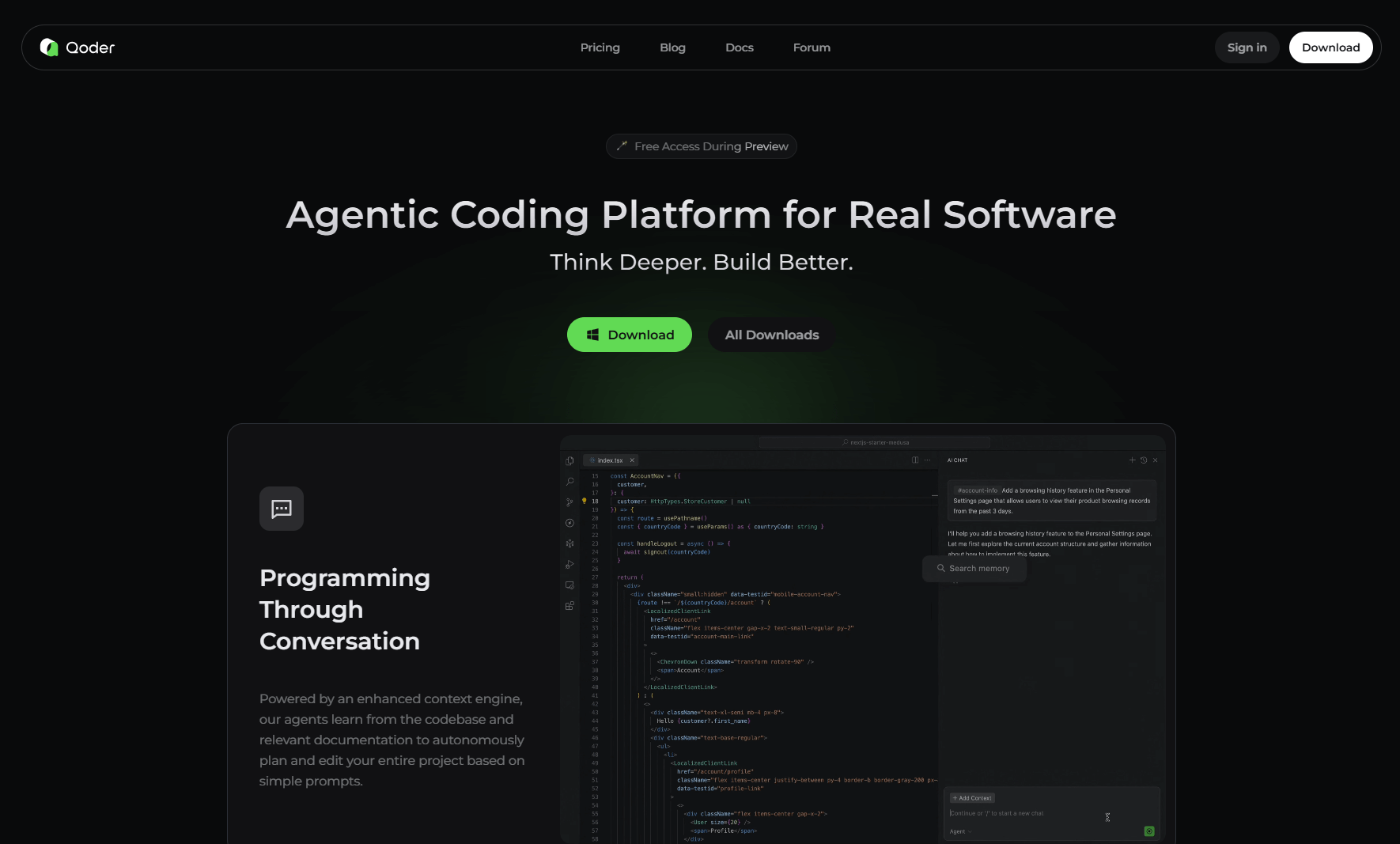
Perfect for: Developers who want AI assistance without losing control
Most AI coding tools either suggest irrelevant code or try to replace the developer entirely. Qoder takes a different approach—it's designed to enhance your existing workflow rather than replace it.
Key advantages:
- Contextual code suggestions based on your actual project structure
- Automated testing that understands your codebase
- Error detection that goes beyond basic syntax checking
Best fit: Individual developers and small teams looking to boost productivity without changing their entire development process.
Watch out for: Advanced developers may find some AI suggestions too basic for complex architectural decisions.
ModelZoo — Skip the Model Training Phase
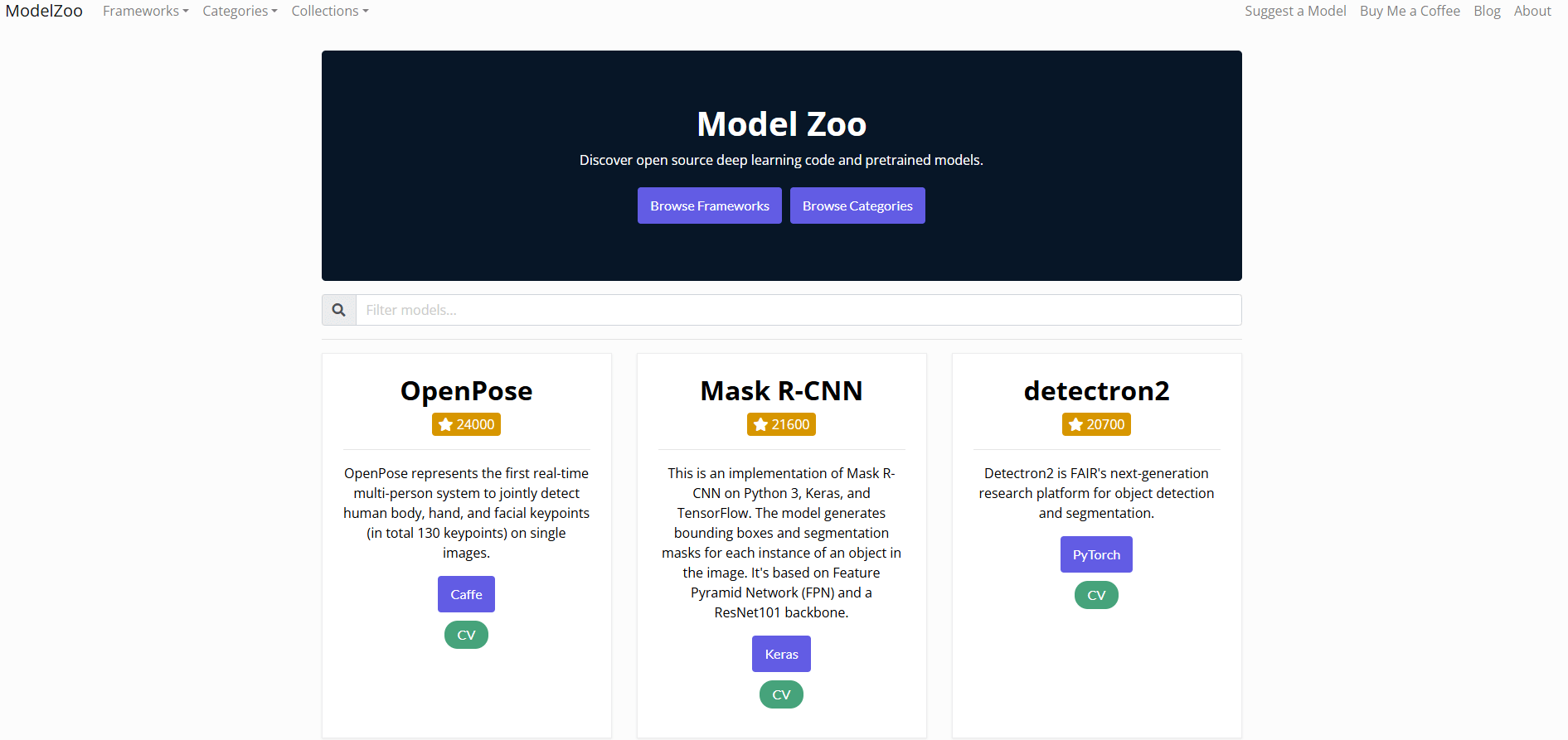
Perfect for: Teams that need AI capabilities without the overhead of training models
Training AI models from scratch is expensive, time-consuming, and often unnecessary. ModelZoo provides access to pre-trained models that you can integrate directly into your applications.
Value proposition:
- Extensive library of production-ready AI models
- Simple integration APIs that work with existing applications
- Regular updates and performance improvements without additional work
Best fit: Businesses that need AI functionality but don't have dedicated ML research teams.
Watch out for: Limited customization options compared to training your own models.
DataRobot — Enterprise AI at Scale
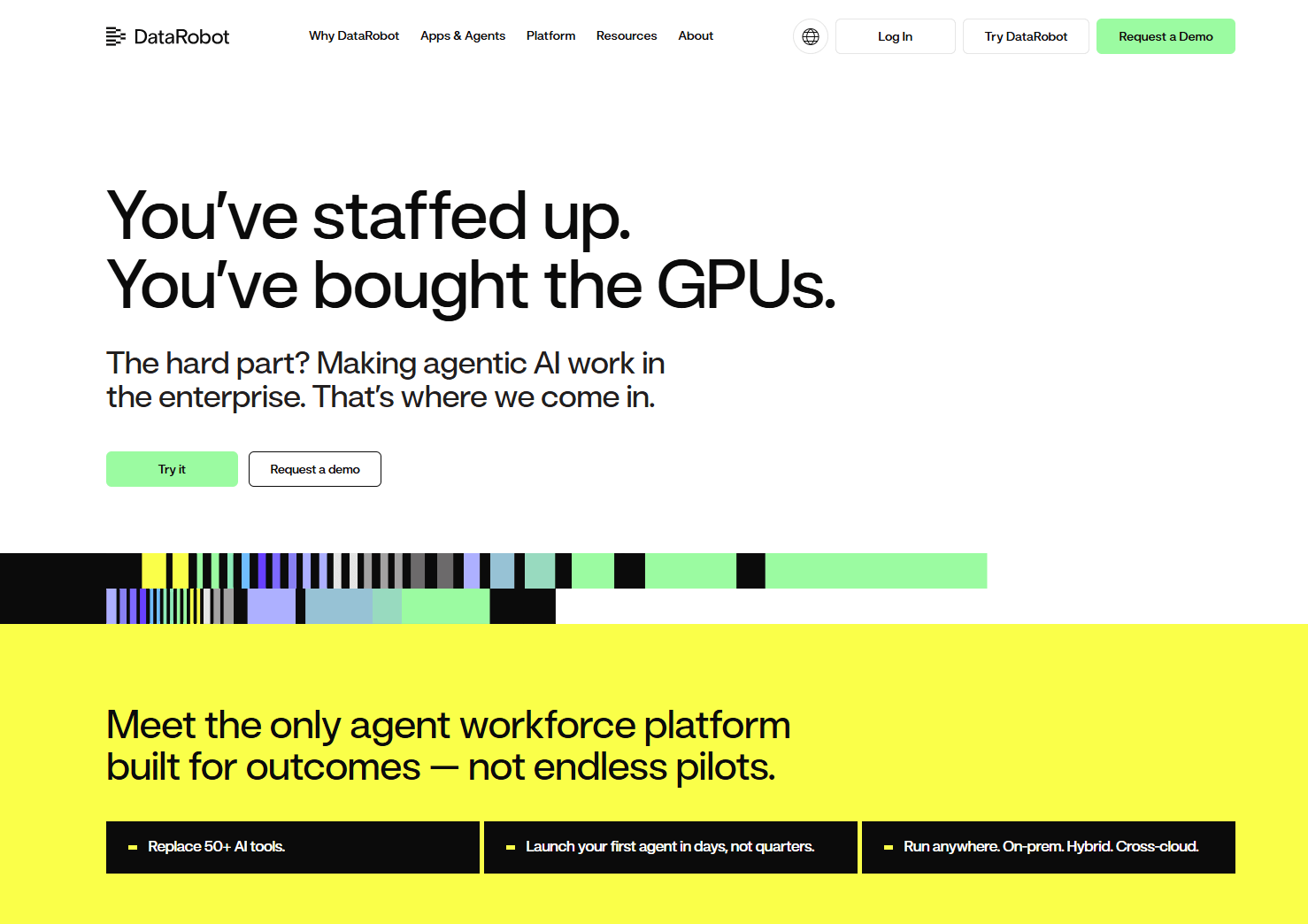
Perfect for: Large organizations implementing AI across multiple departments
Enterprise AI isn't just about having powerful models—it's about governance, compliance, scalability, and integration with existing systems. DataRobot handles the enterprise requirements that most AI platforms ignore.
Enterprise features:
- Model governance and compliance tracking
- Integration with existing data infrastructure
- Automated model monitoring and maintenance
- Multi-team collaboration tools
Best fit: Large companies with complex regulatory requirements and existing data infrastructure.
Watch out for: Significant resource investment required for implementation and training.
Strategic Selection Framework
| Decision Factor | Key Questions | Why It Matters | Recommended Approach |
|---|---|---|---|
| Team Size & Expertise | Do you have dedicated AI engineers? What's your current technical capacity? | Determines complexity level you can handle | Start simple, scale complexity with team growth |
| Integration Requirements | What systems need to connect? How critical is seamless data flow? | Affects implementation time and ongoing maintenance | Prioritize tools with strong API documentation |
| Budget & Timeline | What's your total cost of ownership tolerance? How quickly do you need results? | Balances features against practical constraints | Consider both upfront and ongoing costs |
| Scalability Needs | Will usage grow significantly? Do you need enterprise features? | Prevents expensive migrations later | Choose platforms that can grow with you |
Making Your Decision
The right tool depends entirely on your specific situation, but here's how to narrow it down:
If you're primarily solving sales efficiency problems: Start with Clarify. The AI automation will immediately impact your bottom line, and the learning curve is manageable.
If you're building complex AI applications: xpander.ai provides the infrastructure you need without vendor lock-in. The upfront complexity pays off in reduced development time.
If you need apps built quickly: Anything delivers functional applications without requiring a development team. Perfect for operational tools and customer-facing apps.
If you're enhancing existing development workflows: Qoder integrates seamlessly with your current process while providing meaningful AI assistance.
If you need AI capabilities without the complexity: ModelZoo gets you up and running with proven models in days, not months.
If you're implementing enterprise-wide AI: DataRobot handles the governance, compliance, and scale requirements that smaller tools can't match.
The Bottom Line
There is no universal stack that fixes AI development, automation, and operations in one move. In 2026, the teams that succeed are the ones that simplify ruthlessly and choose tools that remove real friction from daily work. Sales teams win when automation quietly handles data capture and follow ups without becoming another system to babysit. Engineering teams win when infrastructure disappears into the background and lets them focus on logic and outcomes. Enterprise teams win when governance and scale are built in rather than bolted on later.
Start with the problem that is costing you the most time or money right now. Pick the tool that addresses that constraint with the least operational overhead. Pilot narrowly, measure what actually improves, and expand only after the tool proves it can survive real usage. The goal is not to assemble the most impressive AI stack. It is to build systems your team can run, trust, and evolve without grinding to a halt.