
Germany is one of Europe's most mature startup markets, with Berlin and Munich as its two largest hubs and active clusters in Hamburg, Stuttgart, Karlsruhe and Heidelberg. Founders set up a record 3,568 new startups in 2025, 29% more than the year before.
German startups raised close to €8.4 billion across 716 rounds in 2025 and about €5.3 billion in the first half of 2026, 14% more than a year earlier. Hardware led that half year with more than €1.6 billion, followed by software and analytics at more than €1.2 billion.
Early-stage capital comes from High-Tech Gründerfonds, which has around 350 active portfolio companies, from KfW Capital and from regional funds such as IBB Ventures in Berlin. UnternehmerTUM in Munich, KIT in Karlsruhe, SPRIND and the federal EXIST programme help researchers turn lab work into companies, and Bits & Pretzels in Munich gathers founders and investors each year.
In July 2026 the federal cabinet approved a Startup and Scaleup Strategy with more than 150 measures, including an extension of the Deutschlandfonds beyond 2030 and more private growth capital through the WIN initiative. Industrial buyers such as Bosch, BMW, Daimler Truck and the Bundeswehr give young German companies demanding first customers close to home.
1. Qdrant
Year Founded: 2021
HQ: Berlin, Germany
Size: 51-200
Founders: Andre Zayarni, Andrey Vasnetsov
Qdrant builds an open-source vector search engine, written in Rust, that AI teams use for retrieval in RAG pipelines, agents and multimodal search. Its packages have passed 250 million downloads, and enterprises such as Canva, HubSpot, Roche, Bosch and OpenTable run it in production.
Qdrant raised US$50 million in a Series B led by AVP in March 2026, with Bosch Ventures, Unusual Ventures, Spark Capital and 42CAP participating. The money goes into its composable retrieval engine and Qdrant Edge for on-device workloads, and the company planned to hire 30 to 50 more people this year on top of a team of close to 100.
2. Reverion
Year Founded: 2022
HQ: Eresing, Bavaria, Germany
Size: 200+
Founders: Stephan Herrmann, Felix Fischer, Jeremias Weinrich, Maximilian Hauck, Luis Poblotzki
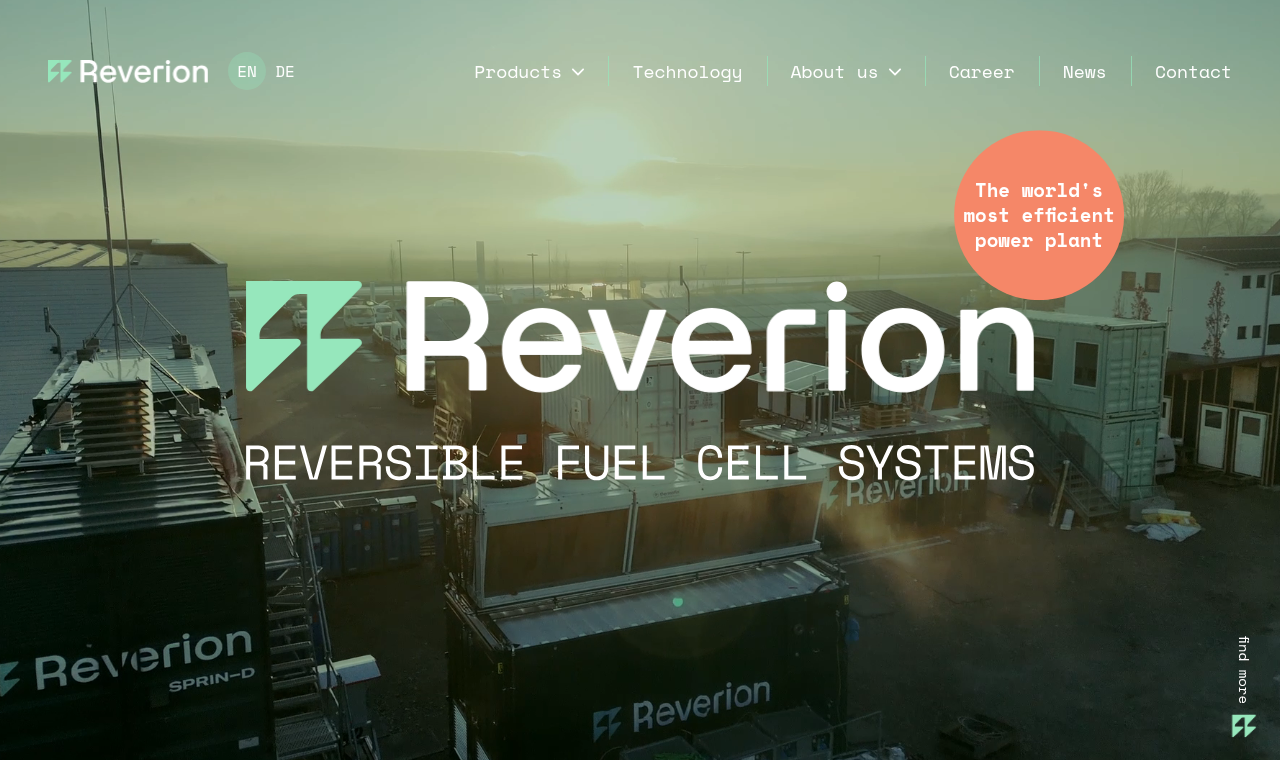
Reverion builds container-based solid oxide fuel cell power plants that turn biogas, natural gas or hydrogen into electricity and can run in reverse to convert surplus power into storable gas. The company reports a measured electrical efficiency of 74.2%, and seven of its plants are in regular operation at customer sites, with data centres emerging as a new market.
Reverion closed a US$175 million Series B in September 2026 led by Kembara, with new investors Allianz, KfW Capital, Aurum Impact and Carbon Equity joining Extantia, Energy Impact Partners, UVC Partners, the EIC Fund, alfa8 and Possible Ventures. Most of the money goes into a new German factory with 250 megawatts of annual capacity, which the company expects to create up to 800 jobs.
3. hellomed
Year Founded: 2022
HQ: Berlin, Germany
Size: 1-50
Founders: Enrico Bernardo, Felix Morawski, Tim Bogdan
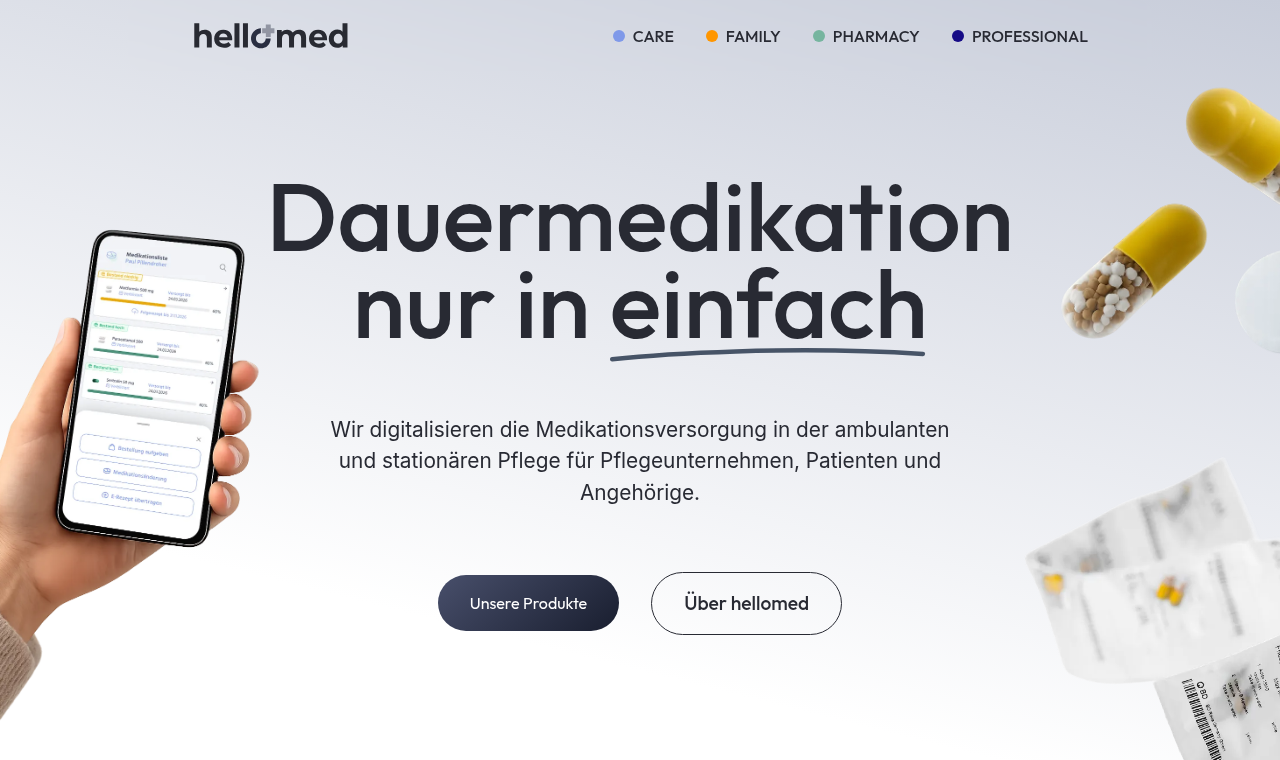
hellomed digitises medication management for outpatient and residential care through hellomedOS, which links care providers, partner pharmacies, doctors and patients for medication plans, orders, changes and deliveries. The software connects to Germany's telematics infrastructure and serves around 100 care companies.
The company raised €6 million (about US$7 million) in a Seed II round led by Zurich-based EquityPitcher Ventures, with IBB Ventures and zwei.7 taking part. hellomed plans to grow from 100 to more than 2,000 care companies by 2030 and to expand the AI features that capture and structure medication plans.
4. TYTAN Technologies
Year Founded: 2023
HQ: Munich, Bavaria, Germany
Size: 51-200
Founders: Balazs Nagy, Batuhan Yumurtacı
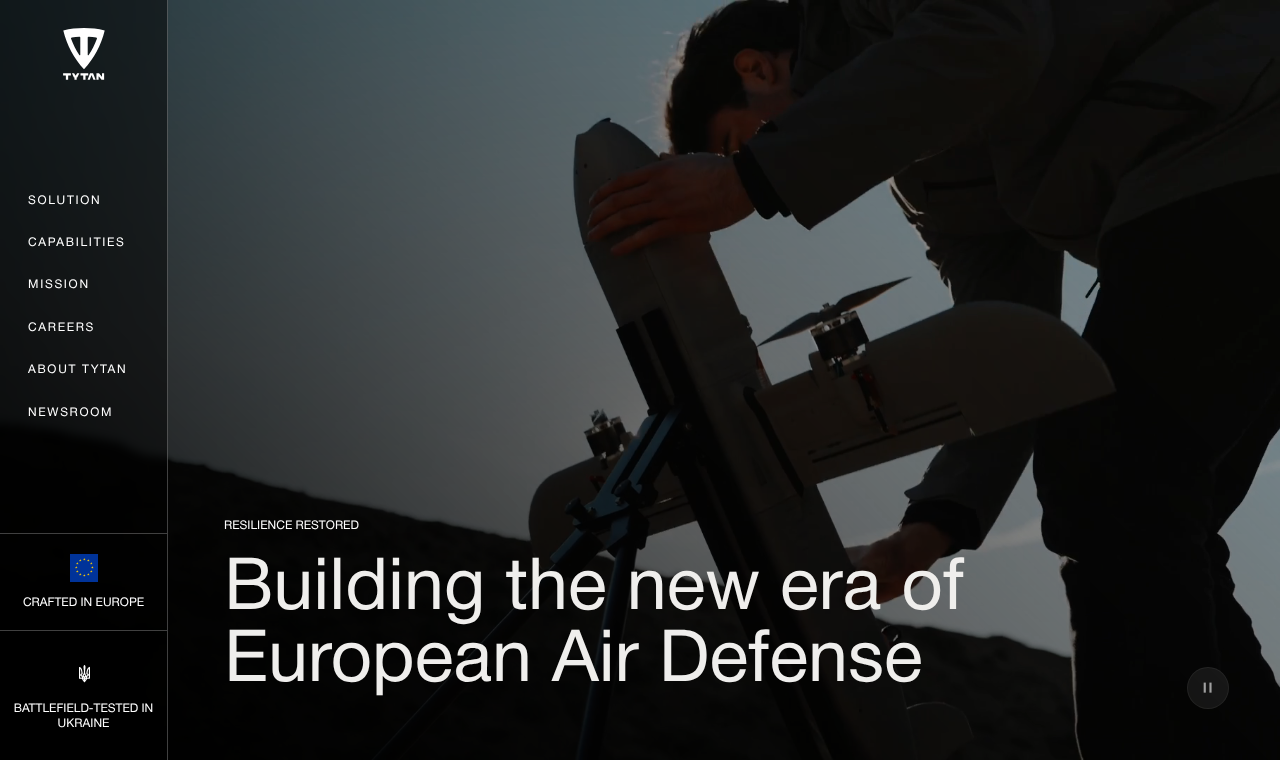
TYTAN Technologies develops AI-guided interceptor drones and command-and-control systems that defend against unmanned aerial threats. It has procurement agreements to deliver thousands of METIS interceptor drones to Ukraine's armed forces, and the Bundeswehr procurement office BAAINBw has commissioned it to protect military installations.
TYTAN closed a €30 million (about US$35 million) Series A in February 2026, co-led by Armira and the NATO Innovation Fund, with Visionaries Club, OTB Ventures, Lakestar, Magnetic, D3 and 10x Group returning. The round took total funding to €46 million and pays for more manufacturing in Germany, Ukraine and allied markets plus integration into all layers of air defence.
5. mika
Year Founded: 2022
HQ: Berlin, Germany
Size: 1-50
Founders: Agnieszka Walorska, Lukas Linnekuhle Brunner, Henry Müssemann
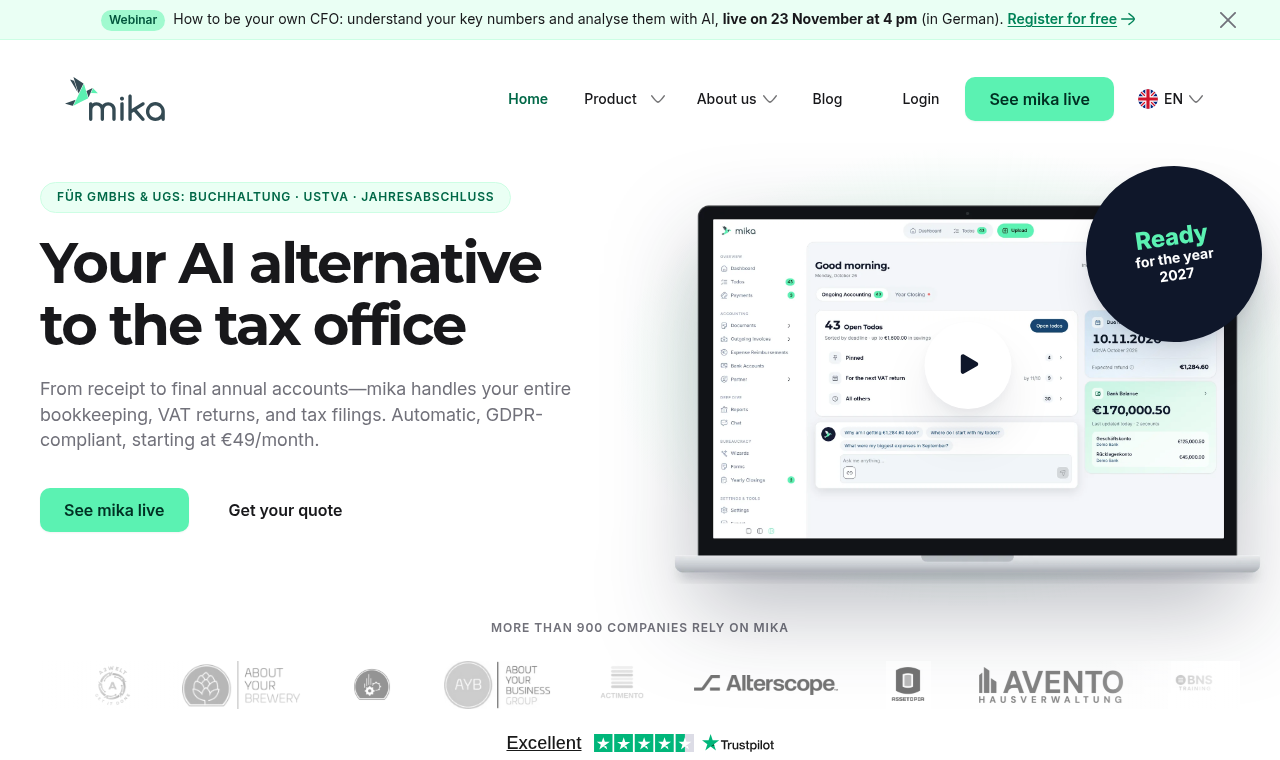
mika handles bookkeeping, VAT pre-returns, annual financial statements and tax returns for small German limited companies on an AI system, with in-house accountants reviewing the output. More than 750 companies use it, up from about 400 at the start of the year, and it passed €1 million in annual revenue in July 2026.
mika raised €6 million (about US$7 million) in a seed round led by Smedvig Ventures in September 2026. Wecken & Cie., studiVZ co-founders Dennis Bemmann and Michael Brehm and existing backers Keen Venture Partners and Dutch Founders Fund also took part, and the money goes into growth and further work on the AI system.
6. Orbem
Year Founded: 2019
HQ: Munich, Bavaria, Germany
Size: 200+
Founders: Pedro Gómez, Miguel Molina Romero, Maria Laparidou
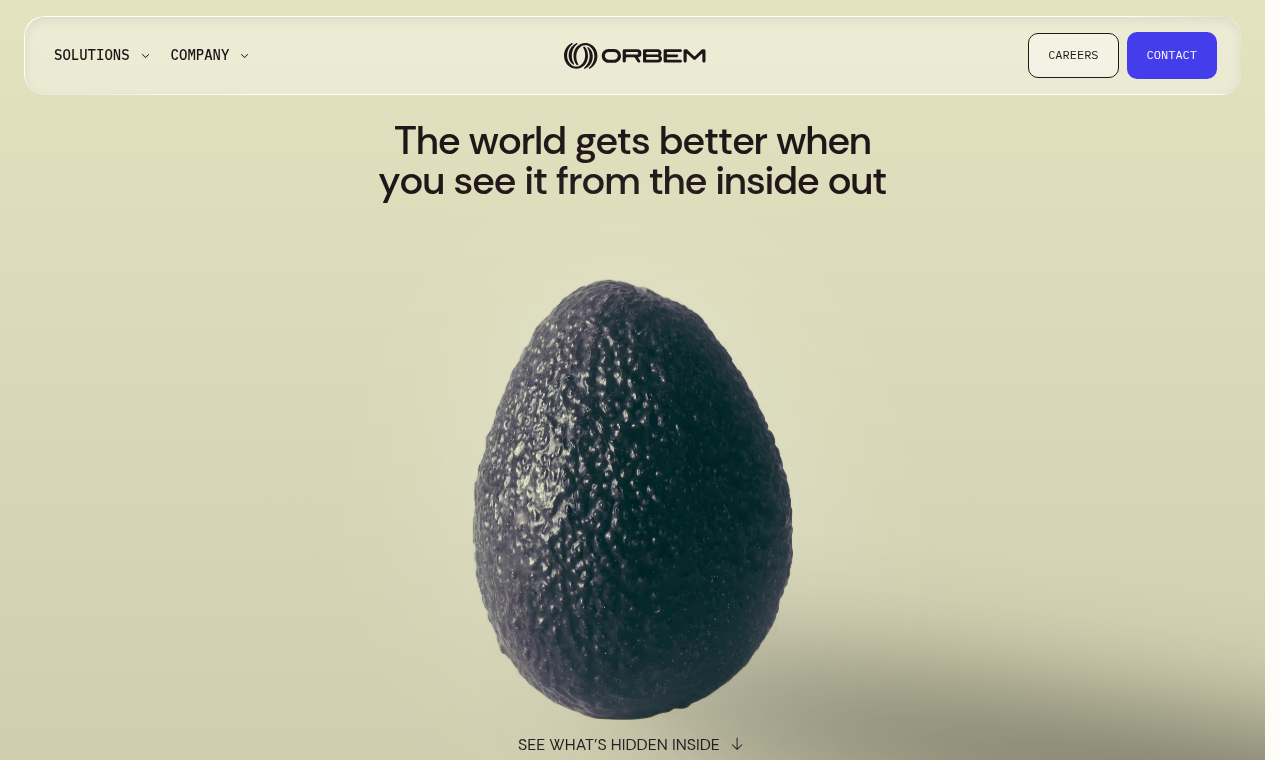
Orbem combines MRI sensors with AI to analyse biological material at industrial speed, starting with hatcheries. Its Genus Focus system determines the sex of a chick embryo inside the egg in under a second, and the company has scanned more than 170 million eggs as a leading in-ovo sexing provider in five European countries.
Orbem closed a €55.5 million (about US$64.6 million) Series B in January 2026, led by Innovation Industries with Supernova Invest and existing investors General Catalyst, 83North, The Venture Collective and Possible Ventures. The already profitable company is using the funds to enter the US through its Houston office and to apply its scanners to fruit and vegetables such as avocados and mangoes, with human healthcare as a longer-term goal.
7. Andercore
Year Founded: 2021
HQ: Berlin, Germany
Size: 51-200
Founders: Philipp Andernach, Elsa Cordonnier
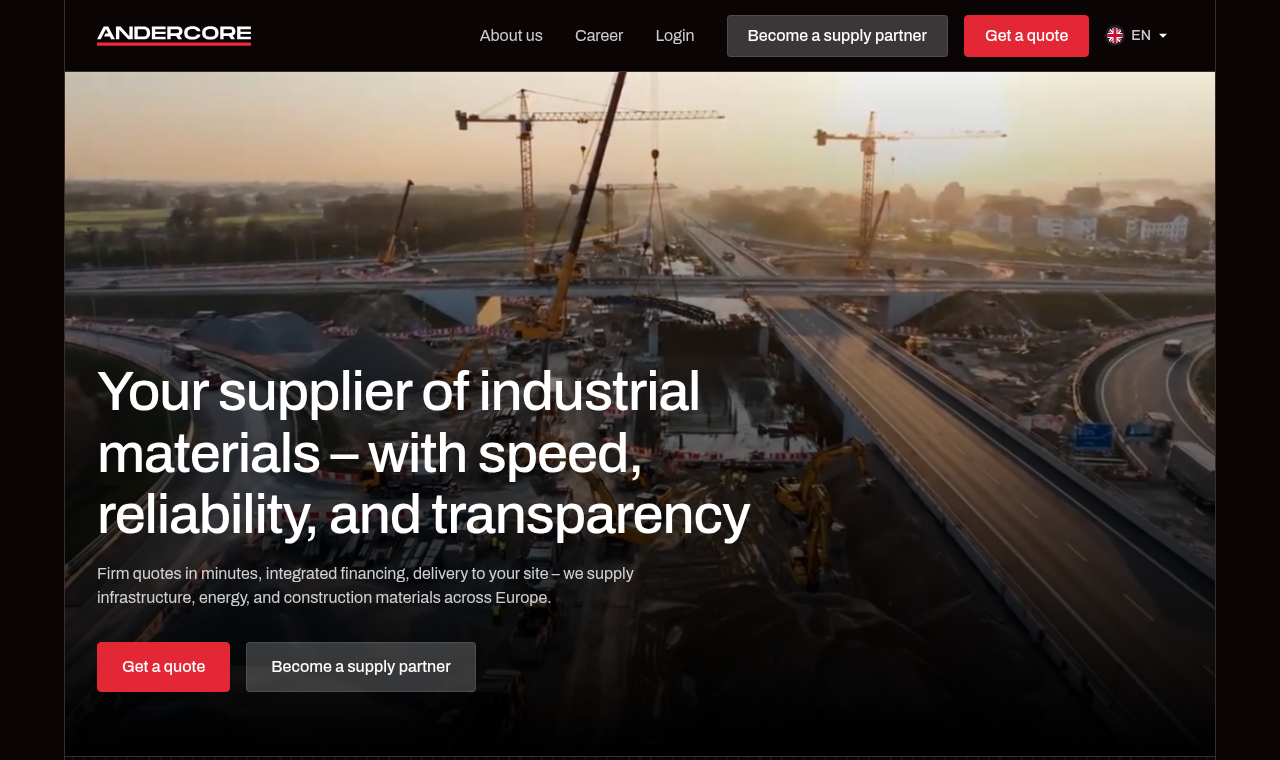
Andercore is an AI-driven trading platform for industrial supply that buys from international manufacturers and sells to local buyers on its own account. Its software handles pricing, quoting, quality assurance, distribution and embedded financing, and thousands of large transactions run through it each month across seven European markets for customers such as Strabag and Synthos Group.
In February 2026 Andercore raised US$40 million in equity and debt from Atomico, Project A and new investor Inven Capital, with financing from Commerzbank and KfW, bringing its total to US$75 million. UniCredit and KfW followed in July with a €30 million revolving credit line to fund its expansion across Europe.
8. SE3
Year Founded: 2023
HQ: Munich, Bavaria, Germany
Size: 1-50
Founders: Lukas Köstler, Simon Klenk, Daniel Cremers
SE3 is a Technical University of Munich spin-out that builds spatial intelligence software for unmanned systems, fusing sensor data from drones and ground vehicles of different makes into one shared 3D picture. The software runs on the edge and is built to keep working when satellite navigation is disrupted, and SE3 has shipped thousands of systems and works with Rheinmetall, HENSOLDT and Auterion.
SE3 raised US$30 million in a Series A led by Accel in November 2026, with Keen, Lakestar and Seedcamp joining. The funds grow its engineering, commercial and operations teams for contracts with Ukraine and the Bundeswehr and pay for a new UK office, with civilian robotics and emergency response on the roadmap from 2027.
9. Enter
Year Founded: 2020
HQ: Berlin, Germany
Size: 200+
Founders: Max Schroeren, Justus Menten, Alex Müller
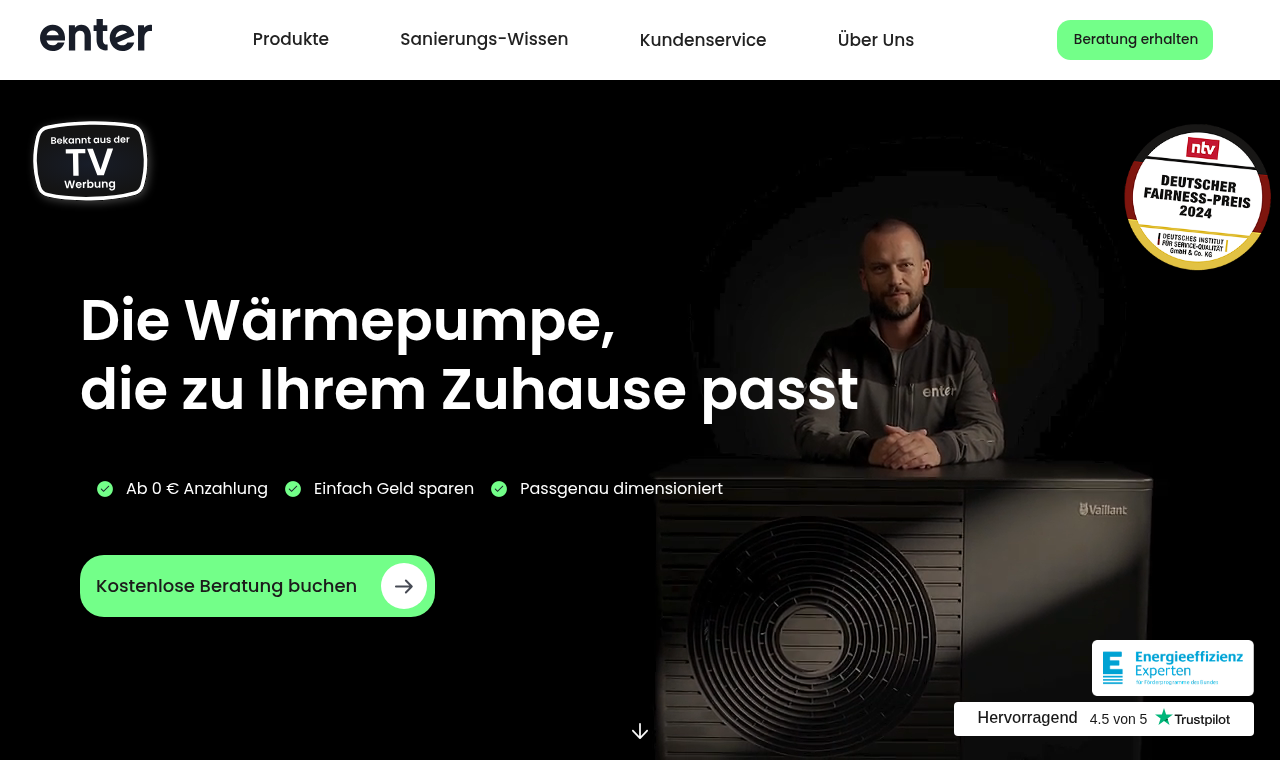
Enter helps German homeowners plan and carry out energy-efficient renovations, using AI to analyse a property in minutes and build a renovation plan around CO2 pricing, subsidies and energy costs. The platform analysed more than 30,000 buildings in the second quarter of 2025 and connects owners with a network of over 100 qualified contractors.
Enter raised €20 million (about US$23 million) in a Series B in June 2025, bringing total funding since its 2020 founding to more than €40 million. Coatue, Target Global, noa, Partech and Foundamental returned alongside new investor SE Ventures, and the capital funds a push into the mass market through partners such as Dr. Klein, Allianz and Engel & Völkers.
10. allO
Year Founded: 2020
HQ: Munich, Bavaria, Germany
Size: 1-50
Founders: Cancan Liu, Teodor Rupi, Benedikt von Lewinski
allO gives restaurants one AI-driven operating system covering point of sale, payments, reservations, kiosks, delivery integrations and back-office tools. More than 1,000 restaurant locations in Germany use it, and its first AI agent answers phone calls and logs bookings and takeaway orders directly.
allO closed a US$14 million Series A led by Zigg Capital in May 2026, with LifeX Ventures, Aperture, Wecken & Cie. and existing investors 20VC and Keen Venture Partners, taking total venture funding to US$20 million. The money funds expansion across Europe and more than 10 further AI agents over 12 to 18 months, with the team set to grow from 50 to about 80 people.
11. Sereact
Year Founded: 2021
HQ: Stuttgart, Baden-Württemberg, Germany
Size: 51-200
Founders: Ralf Gulde, Marc Tuscher
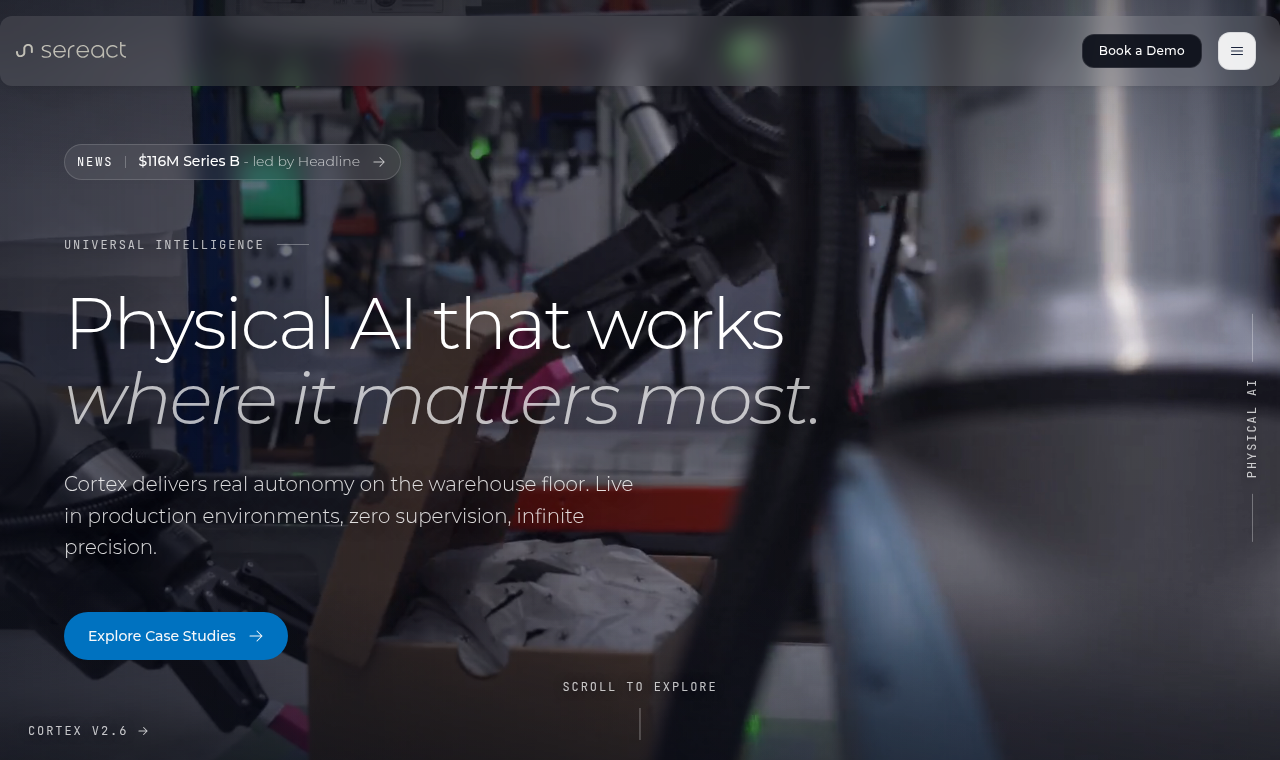
Sereact builds Cortex, an AI model that gives robots general-purpose vision and manipulation skills across single-arm picking cells, dual-arm stations and humanoids. More than 200 of its systems run across Europe and have completed over one billion production picks for customers including BMW, Mercedes-Benz and Daimler Truck.
The company raised US$110 million in a Series B led by Headline in April 2026, with Bullhound Capital, Felix Capital and Daphni joining returning investors Air Street Capital, Creandum and Point Nine. Zalando came in as a strategic investor in July, lifting the round to US$116 million, and the funds go into Cortex 2.0 and a US office in Boston.
12. hexafarms
Year Founded: 2021
HQ: Berlin, Germany
Size: 1-50
Founders: David Ahmed, Huijo Kim, Felix Kirschstein
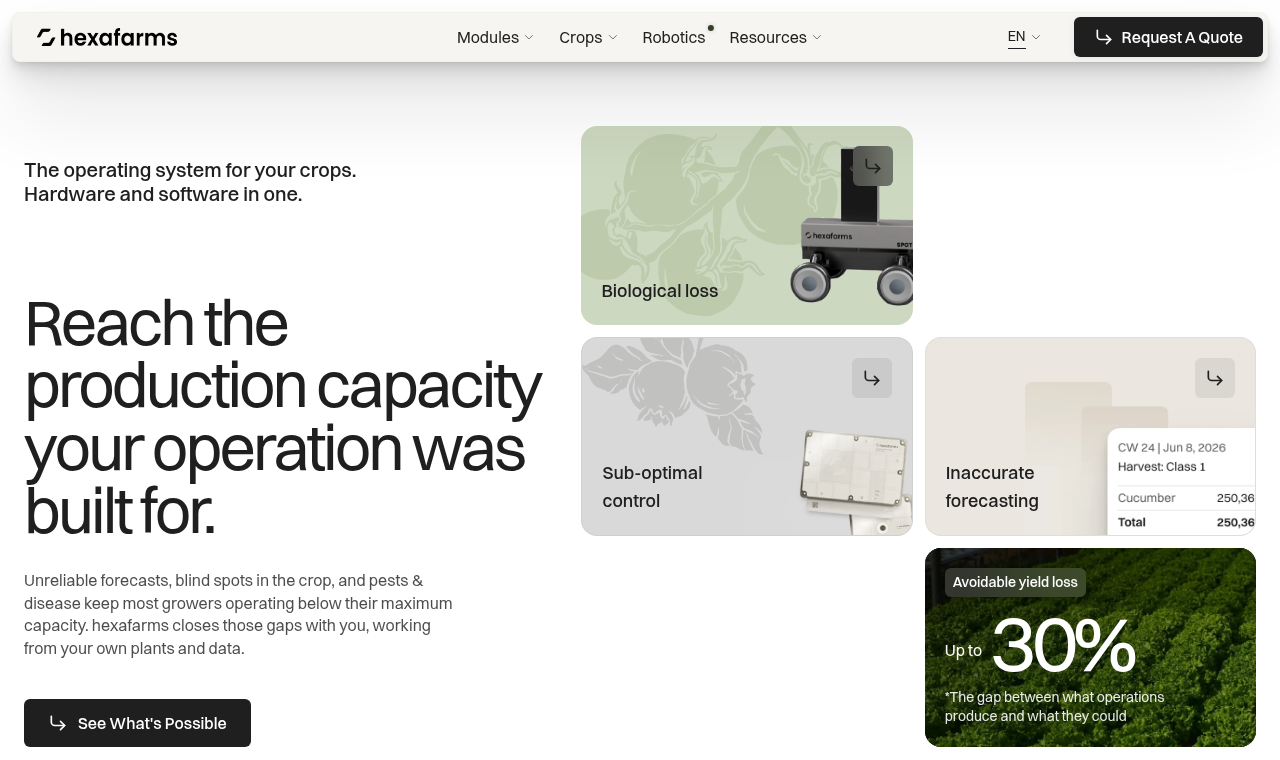
hexafarms sells commercial greenhouse growers a subscription system of wireless sensors, yield forecasting and plant-scanning robots that flag pests and disease early. Over 50 growers in 13 countries use it, including SanLucar, and customers managed more than €300 million of produce on the platform in 2026.
hexafarms raised €4.8 million (about US$5.6 million) in seed funding in October 2026, led by Ananda Impact Ventures and Green Generation Fund with Grey Silo Ventures, better ventures, Speedinvest, Mudcake and Techstars. The capital goes into wireless crop sensing, automated pest and disease scouting, and expansion across the DACH region, the Benelux countries and Spain.
13. Rabot Energy
Year Founded: 2021
HQ: Hamburg, Germany
Size: 51-200
Founders: Jan Rabe, Maximilian Both
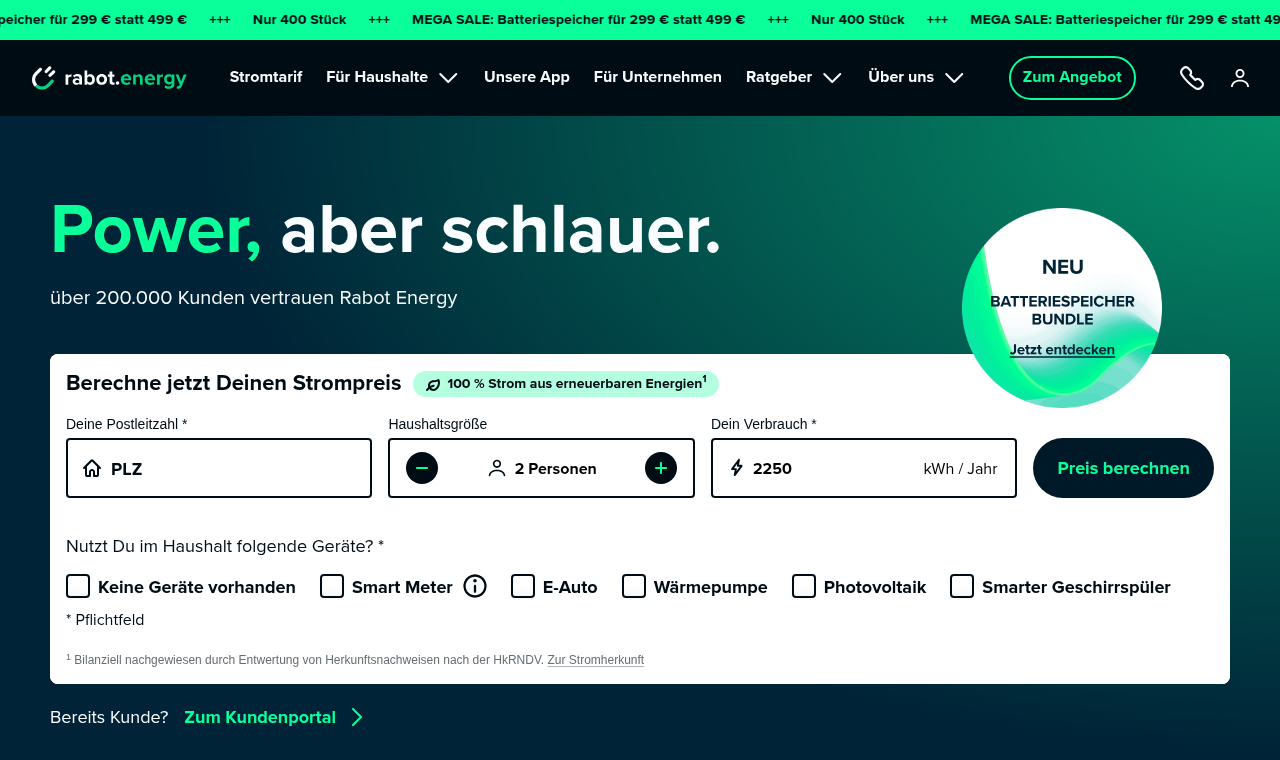
Rabot Energy supplies households and businesses with dynamic electricity tariffs that shift consumption to hours when power is cheap and renewable. Its Rabot Flow bundle adds a smart meter and a plug-in home battery that renters can use without rooftop solar, and the company has grown to more than 200,000 customers and €200 million in revenue.
Rabot raised a US$50 million Series B in October 2026 led by Endeit, with the DeepTech & Climate Fonds co-leading and HV Capital, High-Tech Gründerfonds, Bosch Ventures, CNI, Acurio Ventures and vent.io returning. The company aims to reach one million customers and to pool connected batteries, EV chargers and heat pumps into a virtual power plant.
14. ARX Robotics
Year Founded: 2021
HQ: Munich, Bavaria, Germany
Size: 200+
Founders: Marc Wietfeld, Stefan Röbel, Maximilian Wied
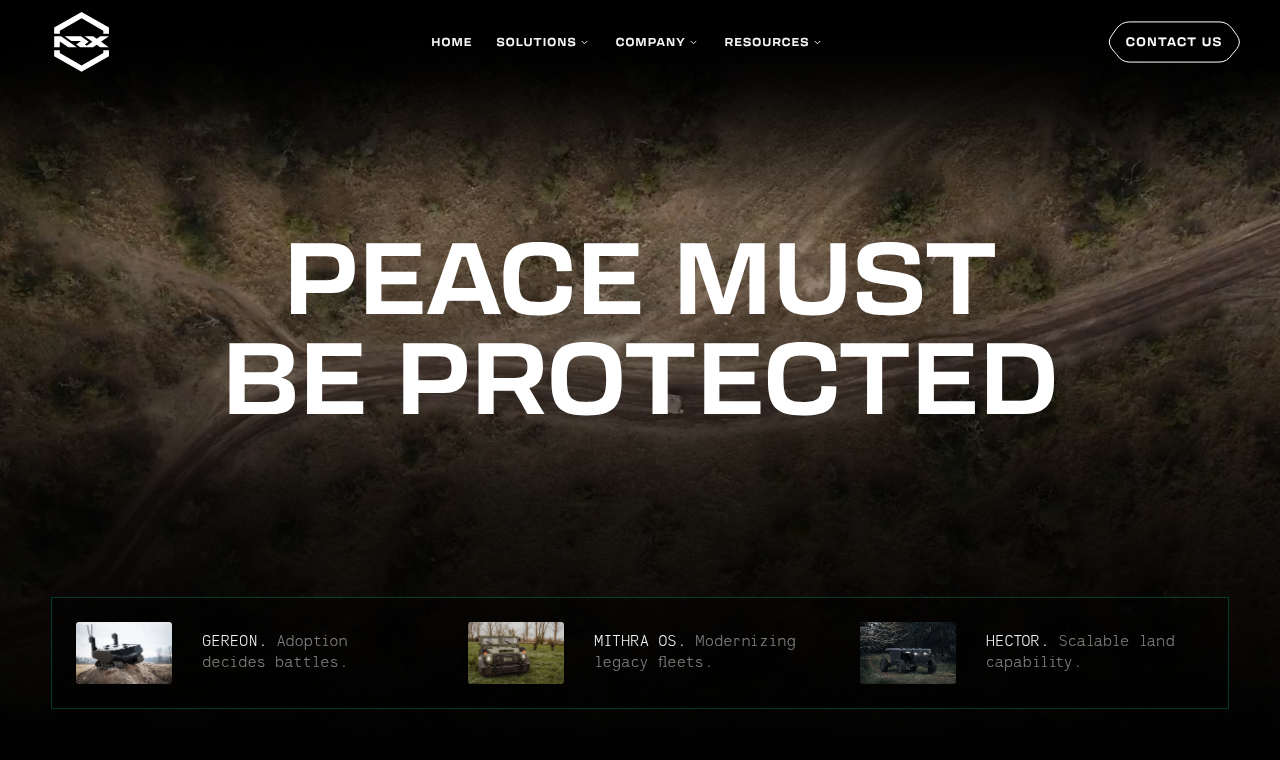
ARX Robotics was founded by former Bundeswehr officers and builds GEREON unmanned ground vehicles plus Mithra OS, an AI operating system that adds autonomy to legacy military vehicles. Several European armed forces use its systems, and the company says it runs the largest Western-built UGV fleet deployed in Ukraine with 300 staff across Munich, Berlin, London and Kyiv.
ARX extended its Series A by €11 million (about US$13 million) in July 2025, led by Speedinvest with HV Capital, taking the round to €42 million after an initial €31 million led by HV Capital with Omnes Capital, the NATO Innovation Fund and Project A. The funds support serial production, new European production sites and partnerships with Daimler Truck and RENK, and in September 2026 the company announced an expansion into Poland worth tens of millions of euros.
15. telli
Year Founded: 2024
HQ: Berlin, Germany
Size: 51-200
Founders: Seb Hapte-Selassie, Philipp Baumanns, Finn zur Muehlen
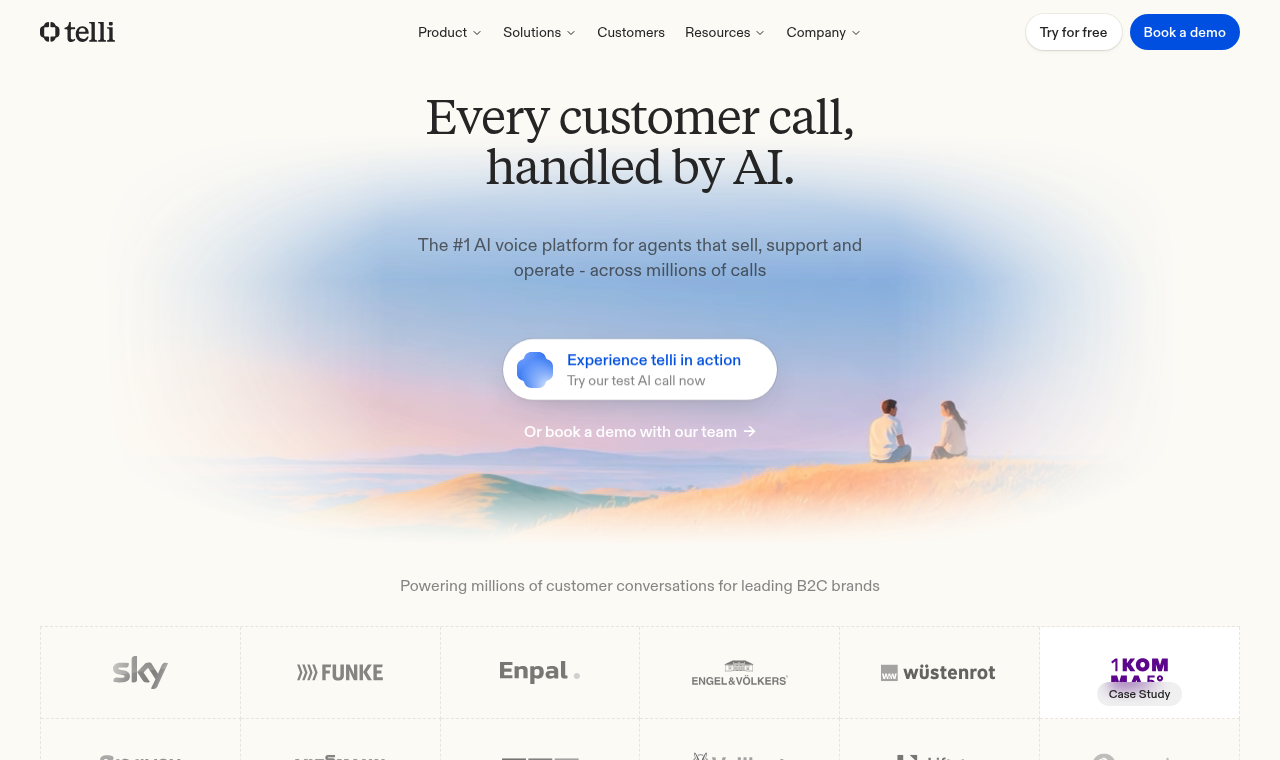
telli builds AI agents that run customer operations for B2C companies across voice, chat, SMS, WhatsApp and email, qualifying leads, booking appointments and resolving service requests. Its AI co-worker Charlie helps teams set up and tune those agents, which already handle millions of customer interactions for clients such as Sky, Viessmann, Enpal and Vaillant.
telli raised a €13.1 million (US$15 million) seed round in July 2026 led by redalpine, with Mutschler, angel investors and existing backers Cherry Ventures and Y Combinator taking part, for total funding above US$18.5 million. The capital grows its engineering and go-to-market teams and extends its voice and multi-channel agent platform.
FAQs
1. What makes Germany an attractive location for startups?
Germany pairs a large home market and strong research universities with deep industrial demand and a growing pool of public and private venture capital.
- Founders set up 3,568 new startups in 2025, a record and 29% more than in 2024
- The federal Startup and Scaleup Strategy approved in July 2026 contains more than 150 measures
- High-Tech Gründerfonds and KfW Capital invest public money alongside private funds
- TUM, KIT and Heidelberg University run active spin-out programmes
2. What are the strongest industry sectors for startups in Germany?
Hardware, AI software, defence and energy draw the largest share of investor money.
- Hardware startups raised more than €1.6 billion in the first half of 2026, the largest share of any sector
- Software and analytics followed with more than €1.2 billion
- Neura Robotics' €1.2 billion round was the biggest single deal of the first half of 2026
- 27% of startups founded in 2025 use AI as a core part of their business model
3. How many startups are there in Germany?
Totals vary by source, but Germany adds several thousand new startups every year, with Berlin and Bavaria as the largest centres.
- 3,568 new startups were founded in 2025, according to the Startup-Verband
- Berlin counted 218 funding rounds in 2025, the most of any state, ahead of Bavaria with 148
- Bavarian startups raised €3.3 billion in 2025 and Berlin startups close to €2.7 billion
- The Deutscher Startup Monitor 2026 counted 10 new unicorns in 2026 by September, a record
4. How fast is the startup industry growing in Germany?
Investment has risen for two years in a row after the 2022 and 2023 slump, though the number of deals keeps falling.
- German startups raised about €8.4 billion in 2025, up 19% on 2024 and the third-highest total on record
- The first half of 2026 brought about €5.3 billion, 14% more than a year earlier
- Deal count fell 11% to 354 rounds in the first half of 2026
- 2025 saw 18 rounds of more than €100 million each, six more than in 2024
