

You will not finish a 28-app list. The first problem is the practice loop you will still open in week six: a daily streak, a sequenced course, a booked tutor, or a 30-minute audio lesson you can run with the screen off.
How we evaluated: first-party product and pricing pages, Apple's US in-app lists where the vendor site prints no dollar, and the checks on our review process. Catalog counts stay vendor claims.
The four that earn a 2026 slot: Duolingo, Babbel, italki, and Pimsleur.
Someone on HN put the streak problem in one line:
I don't think Duolingo's system can really make you fluent in a language, but what it seems to excel in is making you use Duolingo every day. In other other words, you always hear people talking about how long their streak is ("500 days!") rather than how well they speak the language.
That is the buying sequence. Streak app, then tutor marketplace, then audio you can do with the screen off. Mixing them without naming the loop is how a 28-name catalog survives in a bookmark folder.
Streak / course app
Duolingo for the daily tap. Babbel for a sequenced course with a printed price. Same family of buy: you open an app, you do a lesson.
Tutor marketplace
italki. You pay a person for a slot. No monthly lock-in. The app is the calendar, not the curriculum.
Screen-off audio
Pimsleur. Thirty minutes of listen and speak. The commute is the classroom. Video immersion (LingoPie, FluentU) is a different loop.
Duolingo
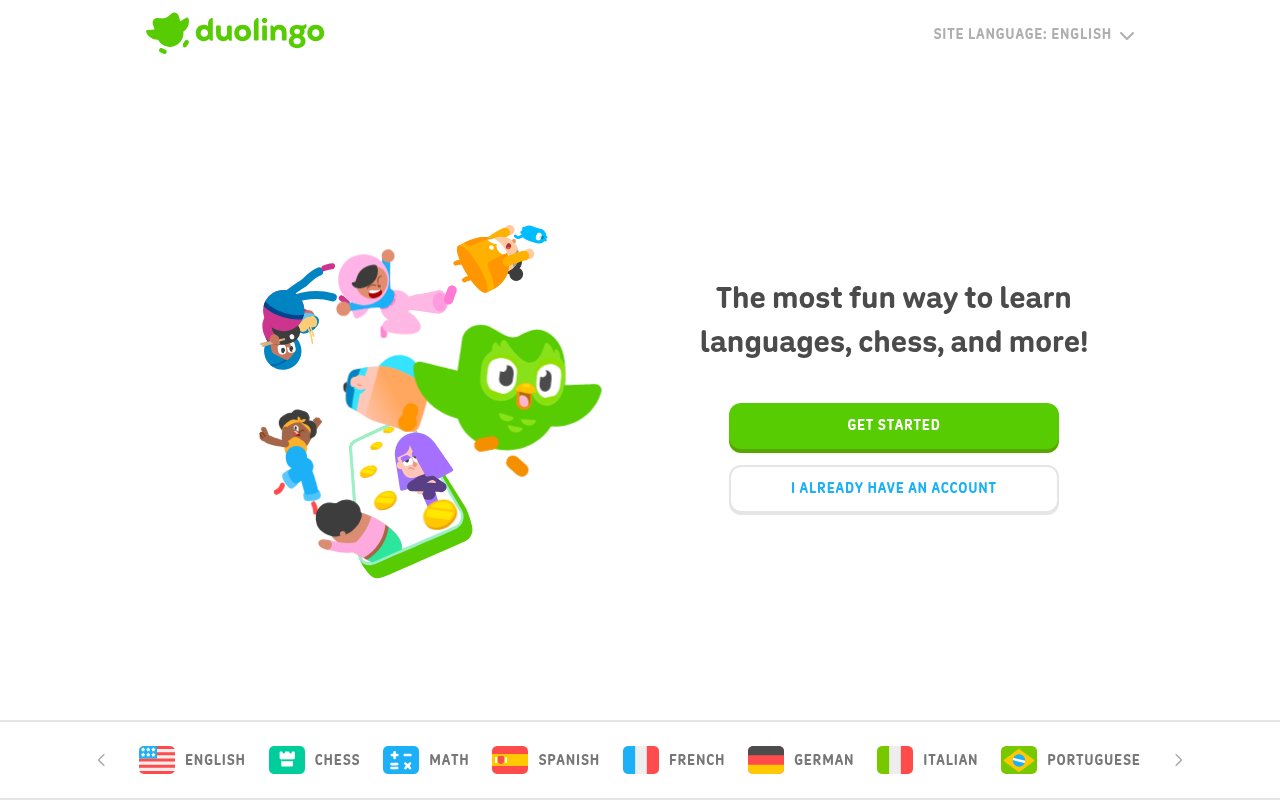
Duolingo is the streak app: bite-size lessons, leaderboards, energy, and an owl that will not leave you alone. The free course is the product most people already have. Super removes the friction (ads, energy caps, streak repair). Max is the AI-conversation SKU that sat above Super.
The 2026 shelf is moving. Duolingo's Q2 2026 shareholder letter (5 Aug 2026) said most new Super subscribers now get Video Call, the feature that used to live on Max, and that existing Super users should get it later in 2026. Paid subscribers ended the quarter at 12.7 million. Daily active users were 58.7 million. Streak Revival in June brought 15.4 million learners back onto a streak, including nearly 8 million who had none when the event started. That is the company telling you what it optimizes for.
The Super and Max dollars are not on duolingo.com. They sit in the app checkout and on Apple's US in-app list, which prints several Super SKUs without a period label on the public page. Max is not on that shelf. Confirm monthly versus annual, and Super versus Max, at checkout.
Best for: Learners who will actually open an app every day and who will treat the streak as a habit engine, then add a tutor or audio once the habit holds.
Key Features:
- Free courses across a long language list, plus chess, math, and music in the same app.
- Super: no ads, unlimited energy, streak repair, offline.
- Video Call conversational practice, now on most new Super accounts per the Q2 letter, with Max still listed as a higher SKU in the product.
- Family plans on Super (Apple lists a Super family SKU).
Why we like it: It is the only loop here you can start free and still have a reason to come back tomorrow. If the problem is "I keep quitting," this is the honest first buy. Fluency is a later tool.
Notable Limitations:
- The HN quote is the product risk. People brag about the streak. They do not order dinner.
- Super versus Max is in flux. Video Call landing on Super is the useful 2026 fact. What happens to Max is not on a pricing page.
- No first-party public price table. Regional checkout varies. Do not budget from a blogger's US screenshot.
Pricing: Free. Super and Max: app checkout. Apple's US listing prints Super Duolingo at $12.99, $83.99, $95.99, and $119.99. Max is not on that list. Family is a Super SKU. Student discounts appear in-app when they exist.
Does Super include Video Call now?
For most new Super subscribers, yes, per the 5 Aug 2026 letter. Existing Super accounts were still waiting. Max may keep unlimited Video Call, or it may get sunset. The letter does not pick. Confirm the SKU on the paywall in front of you.
Babbel
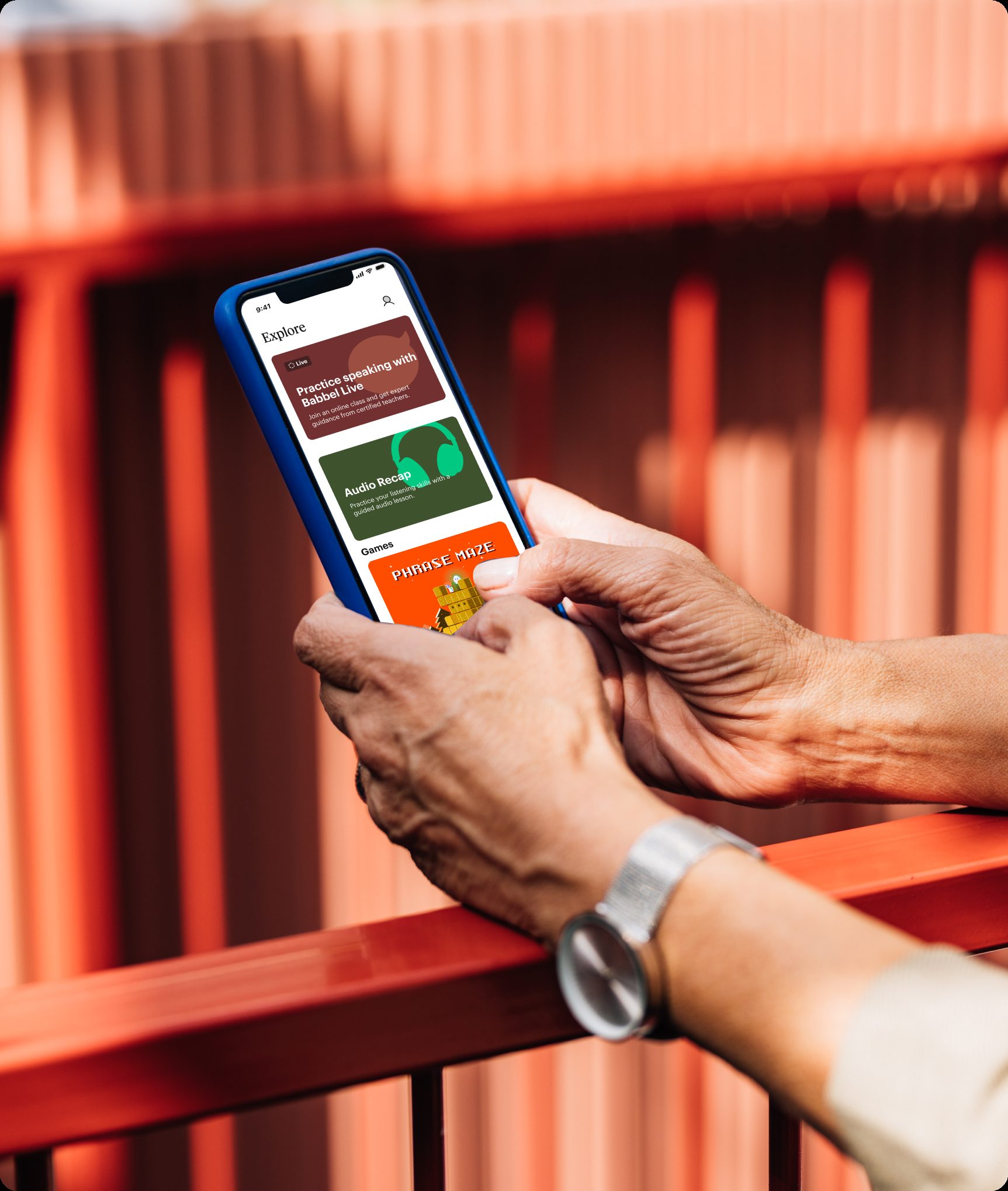
Babbel is the sequenced course: short lessons built around real-life dialogue, grammar that actually shows up, and a language list you can count. The live prices page sells access to all 14 languages on one subscription. That is the opposite of Duolingo's "pick a tree and climb."
The prices page prints the 12-month individual plan and a Lifetime line. Those are the printed numbers. The crossed-out 1-month reference is the discount frame. Do not put that reference in a budget as a second annual SKU.
Best for: Beginners and intermediates who want a course with a beginning, a middle, and a bill they can see before they create an account.
Key Features:
- All 14 languages on the individual plans currently on the prices page.
- Lessons aimed at conversation, with speech recognition and review.
- 12-month subscription or Lifetime. Group plans sit next to individual on the same page.
- Babbel Live (tutor classes) is a different add-on. Do not assume it rides the self-study plan.
Why we like it: It is the rare language app whose first-party page prints the dollars. If you are tired of an energy meter, this is the structured alternative that still fits in a commute pocket.
Notable Limitations:
- Fourteen languages. If your target is not on that list, you are on Duolingo, italki, or Pimsleur.
- Babbel Live is a separate conversation. The self-study price does not buy a tutor.
- Lifetime is a one-time payment for the self-study library. It does not make you fluent on the receipt date.
Pricing: babbel.com/prices. 12 months $8.95/mo, billed $107.40 (the $215.40 is the 1-month reference). Lifetime $299.99 one-time. Group plans on the same page. Live tutoring is not that SKU.
italki
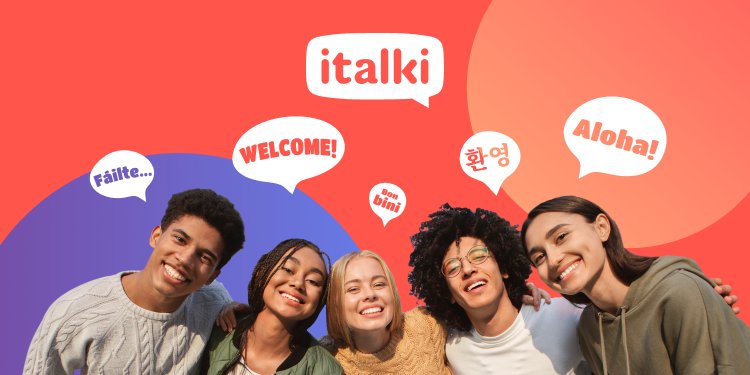
italki is the tutor marketplace. The first-party pitch is the product: no subscriptions, pick a schedule, speak with a teacher. You pay the rate on the teacher's profile. Community tutors sit cheaper. Professional teachers sit higher and bring credentials and lesson plans.
italki's own 2026 pricing guide (updated 16 Jun 2026) prints the lesson floor, the community and professional ranges, and optional italki Plus. The student pays the number on the profile. Commission comes out of the teacher's side.
Best for: Anyone who can already stumble through a sentence and needs a person to talk to, or a beginner who will book a professional for structure instead of another streak.
Key Features:
- Pay per lesson. No monthly minimum.
- 150-plus languages and 20,000-plus teachers on the live first-party counts (vendor claims).
- Trial lessons, packages, and Instant Tutoring. Lengths vary by teacher.
- italki Plus: lesson recap, vocab lists, flashcards. Separate from the lesson bill.
Why we like it: It is the only loop here that puts another human on the hook. Apps will not tell you that your "r" is wrong in the way a person will. If the HN streak quote is your problem, this is the other buy.
Notable Limitations:
- Quality is the teacher. The logo does not pick the slot. Budget two or three trials before you lock a weekly slot.
- A cheap community tutor is conversation practice. Exam prep wants a professional. Those are different invoices.
- Plus is a study companion. It does not discount the lesson.
Pricing: Lessons from $4, set by the teacher. Community typically $4 to $20. Professional typically $10 to $40. italki Plus $5.99 a month or $59.99 a year. Account is free. No platform fee added on the student checkout, per italki's own guide.
Do I need an app if I already book tutors?
Usually yes, a small one. italki does the speaking. It does not drill the 400 words you will forget between Thursdays. Duolingo or Babbel between sessions is the cheap complement. Two tools with two jobs. Two streak apps is the duplicate.
Pimsleur
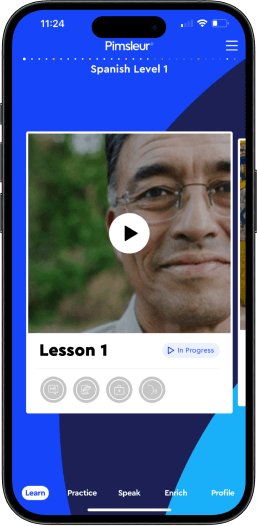
Pimsleur is the screen-off loop: 30-minute audio lessons, listen and speak, hands-free in a car. Premium is one language. All Access is all 51. The first-party page currently offers a 7-day All Access trial and a rotating Lifetime promo. It does not print the monthly dollar.
Apple's US listing does: Premium monthly, All Access monthly, All Access Annual, and an intro annual SKU. Pimsleur's own cost article says the two monthly SKUs sit close to each other. The App Store listing for version 7.9 names an AI Conversation Coach beta for All Access Latin American Spanish and French.
Best for: Commuters, drivers, and anyone who will not stare at a tree of tiles, and who wants speaking prompt-and-response more than a game.
Key Features:
- 30-minute core audio lessons. Hands-free and offline modes.
- Premium: one language, all available levels. All Access: 51 languages, add up to four users on the current first-party offer.
- Voice Coach, flash cards, reading lessons. Feature set varies by language.
- AI Conversation Coach beta on All Access for Latin American Spanish and French in the current iOS build.
Why we like it: It is the loop you can do when your hands are busy. That is a real job. Duolingo wants the phone in your face. italki wants a calendar slot. This wants 30 minutes of attention and a mouth.
Notable Limitations:
- The monthly All Access price is almost the Premium price. If you might switch languages, All Access is the SKU. Do not stack two Premiums.
- pimsleur.com still does not print the monthly dollar on the first-party page. Confirm web versus App Store, because cancel lives where you paid.
- Audio-first will not teach you to read a menu as fast as a course app. Pair it, or pick Babbel, if reading is the job.
Pricing: Apple's US listing: Premium $19.99 a month, All Access $20.99 a month, All Access Annual $164.99 (intro $131.99). 7-day All Access trial on the first-party page. Lifetime is a separate web offer and currently runs as a promo, so confirm that total at checkout.
Other language learning apps worth considering
Dead or the wrong job. Linguician still sits on BetaList. Speak Norsk is a language school in Oslo. It is not an app. OpenSesame is an enterprise L&D catalog. They do not belong on a 2026 language-app shortlist.
Alive, different loop. Anki is spaced-repetition flashcards. It will not teach you to speak. Tandem is a language-exchange inbox. Memrise is video clips and vocab. FluentU and LingoPie are video immersion. Rosetta Stone is still the old immersion brand. Busuu is live; its marketing site does not print a dollar, so it stays off this priced shortlist.
Start with one of the four above unless you already know you are in a flashcard, exchange, or video niche.
Streak, tutor, or headphones
Does a year-long streak mean I can order dinner?
No. It means you opened the app. Order dinner after you have had a person (italki) or a prompt-and-response audio loop (Pimsleur) on top of the streak. The streak is the on-ramp.
Can two of us share Babbel Lifetime?
The prices page sells individual and group plans as separate SKUs. Lifetime is the individual one-time line. Do not assume a second login. Confirm seats on the plan you click.
Does italki Plus make lessons cheaper?
No. The monthly add-on buys recap tools. The lesson price is still the teacher's. Skip Plus until you have a teacher you repeat.
Is Pimsleur Premium enough for one language?
Yes if you are staying on Spanish, or French, or whatever one course you picked. All Access is barely more a month on Apple's US listing and unlocks the other 50. Stacking two Premiums is the expensive way to get the same library.
Bottom Line on Language Learning Apps
Pick the loop you will still open on a Tuesday. Close the 28-name catalog. Daily tap: Duolingo, free until Super gets in the way, and confirm Super versus Max on the paywall because Video Call is moving. Sequenced course with a printed bill: Babbel for the year or Lifetime. A person on the call: italki per lesson. Screen off: Pimsleur on Apple's US listing.
If you still cannot name which of those four you will open at 7:15 tomorrow, you are still browsing the dump. Close the other twenty-four tabs.