
For most founders in 2026, the first objective is still the same: keep startup costs low while moving fast enough to find product market fit. The difference today is that a much larger share of early execution can be handled with lightweight, subscription-based software, AI-assisted workflows, and founder communities that shorten the learning curve. As digital spend continues to rise globally, founders are increasingly selective about tools that replace manual work, reduce hiring pressure, and help teams collaborate efficiently from day one. Gartner forecasts worldwide IT spending will exceed $6 trillion in 2026, reinforcing how central software and digital tooling have become across every industry.
1. Clarity

Whether you're a new business owner or a seasoned entrepreneur is irrelevant. At some point in their entrepreneurial path, every entrepreneur needs practical guidance. Clarity guarantees that ambitious businesspeople get insightful guidance from subject-matter specialists.
Key Features:
-
It enables you to establish connections with global business leaders.
-
May assist you in overcoming any obstacles you may encounter at any point in your entrepreneurial career.
-
Growing your company facilitates raising money.
-
You can get the best business advice by investigating industry trends or honing your talents.
Cost: Calls can be made for as little as $1 per minute.
2. Germ.io
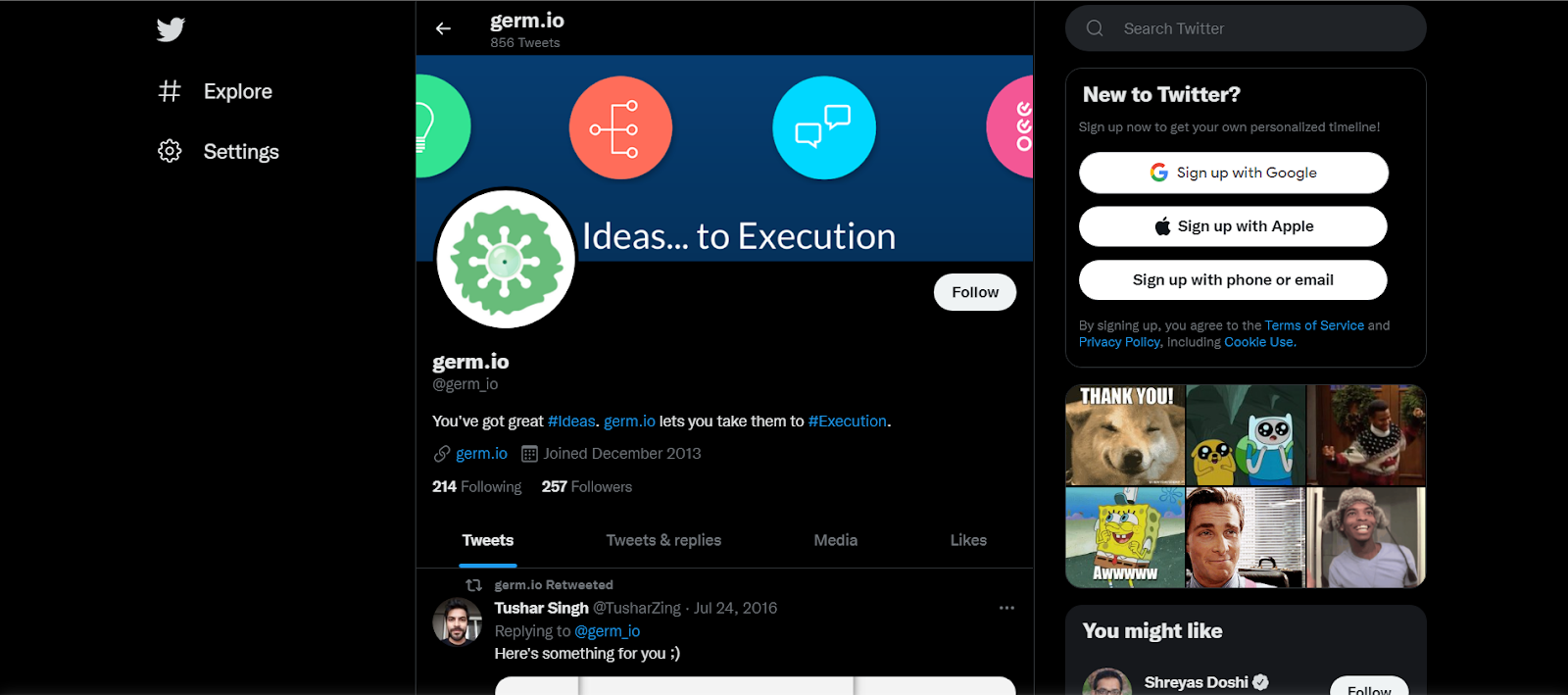
Germ.io enables you to more effectively manage your company ideas and concepts. With this resource, you'll never forget the big picture of your business concept. By displaying your broad picture, you can support your ideas and communicate your vision.
Key Features:
-
Provides the "next steps" to assist you to develop your company idea. As a result, you will be able to easily construct your business idea.
-
Helps you with your hows, whats, and whys, enabling you to develop strategies that are executable.
Cost: Free of cost.
3. Mindmeister

A web-based mind-mapping program called Mindmeister enables real-time brainstorming and collaboration with subject matter experts. This startup tool may also be used to make presentations in addition to brainstorming and project planning.
Key Features:
-
Allows you to create dynamic slideshows from mind maps.
-
You may convert your thoughts into doable tasks thanks to its integration with the task management software MeisterTask.
Cost: Free of cost.
4. Just In Mind
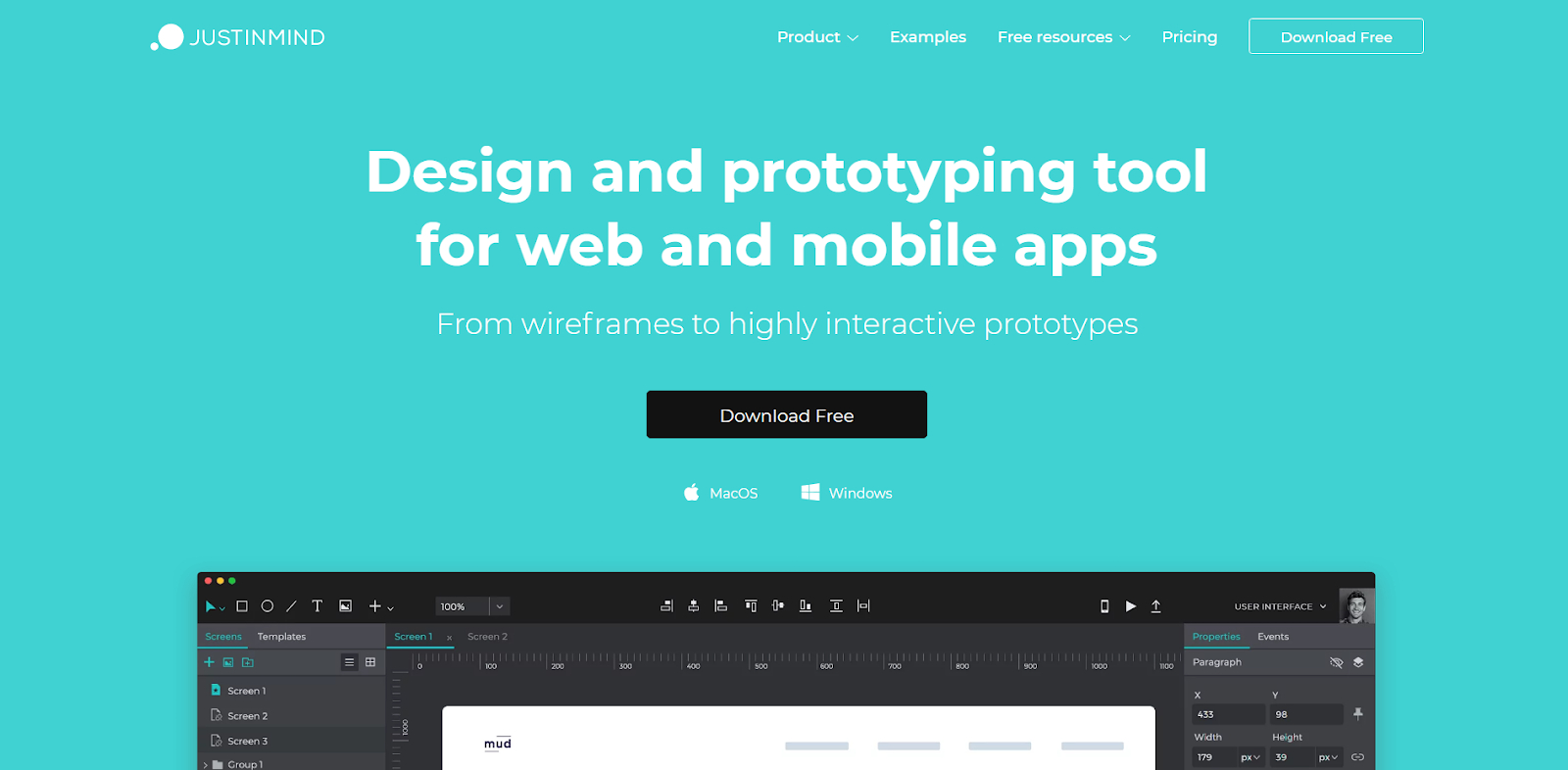
Here is one of the top startup tools that provide a complete solution for online and mobile app prototyping. Just In Mind offers everything, from wireframes to highly interactive prototypes.
Key Features:
-
Can use a click to activate fully interactive prototypes they have designed from scratch.
-
Gives you access to the full spectrum of online interactions and mobile motions so you can focus on creating a wonderful user experience.
-
Can produce wireframes for desktop and mobile devices that fit different screen resolutions.
Cost: Professional costs $19 per month (billed annually), while Enterprise costs $39 per month (Billed Annually)
5. Balsamiq

Balsamiq is a low-fidelity wireframing tool available to business owners, managers, analysts, programmers, agencies, and anybody interested in user experience. Their goal is to make the world free of terrible user interfaces and assist others in creating user-friendly websites and applications.
Key Features:
-
They offer comprehensive documentation, aid in updating the program with new releases, and offer assistance via a variety of channels.
-
On their help page, you may discover tutorials and documents ranging from the basic level to the expert level.
Cost: Projects 20 $490 per year or $49 per month, 200 projects $199 monthly or $1990 annually, projects two $9 monthly or $90 annually.
6. Product Hunt

For startups, this is the best platform to use for launching. Every day, Product Hunt features incredible new goods. It's a fantastic venue for product aficionados. They can geek out about all the newest goods, websites, smartphone apps, and other technological innovations.
Key Features:
-
It can easily help you effectively launch your product or, more crucially, your firm.
-
works using a voting system that is comparable to Reddit's as well as a mechanism for user comments.
-
Launching your firm has never been simpler thanks to its pre-existing community of testers that are prepared to try out new items.
Cost: Free of cost.
7. Beta List

A pre-launch mechanism called Beta List can assist your firm in gaining the traction necessary for a successful launch. With the aid of qualitative and quantitative research, Beta List has assisted over 3,000 company entrepreneurs in better understanding their customers to guarantee they are developing the appropriate product for the right audience.
Key Features:
-
You can present your startup idea to a remarkable group of knowledgeable business enthusiasts and get insightful comments from them.
-
Helps you understand your customer’s needs.
Cost: Basic free of cost.
8. Hootsuite

Due to its simple user interface and cost-effective subscription options, Hootsuite is one of the top social media marketing tools for startups and is used by well-known firms all over the world.
Key Features:
-
With its free plan, you can plan up to 30 posts across all social media platforms.
-
You can track the impact that is being made and measure the Return On Investment (ROI) of your social media campaign all under one roof.
-
Additionally, you can connect two RSS feeds as well as various programs like MailChimp, YouTube, Dropbox, and other startup tools.
Cost: Basic free of cost of one person.
9. MailChimp

A tried-and-true tactic that has worked brilliantly for numerous firms is email marketing. You require an email marketing solution for your startup that is nothing short of exceptional if you want to operate a successful email marketing campaign. This is where MailChimp, a starting tool that needs no introduction, comes in. In 2015, there were about 205 billion emails sent each day, or 2.4 million emails every second. Isn't this statistic just staggering?
Key Features:
-
enables digital marketers to send emails directly to any user's mailbox by using a dependable emailing service.
-
It's one of the many tools for startups that come highly recommended.
Cost: Basic free of cost.
10. Magools
For startups, Mangools is a collection of five SEO tools, including KWFinder, SerpChecker, SerpWatcher, LinkMiner, and SiteProfiler. It assists startups in developing efficient SEO workflows.
Key Features:
-
You can locate all necessary keywords.
-
any location's search results should be examined.
-
Compare your performance against rivals.
-
track the positions of your keywords and improve them all with potent backlinks.
Cost: Basic for $29.90.
11. Google Analytics

You can keep tabs on the visitors to your website with the aid of Google Analytics. It enables you to determine what's effective and what isn't. Knowing what isn't working allows you to make improvements that will improve user and customer engagement.
Key Features:
-
You may make far better digital marketing efforts thanks to it.
-
enhances the rate of conversion.
-
By ongoing data analysis, your startup can attain better results.
-
keep an eye on online marketing tactics.
Cost: Free as long as your monthly impression total does not go beyond 5 million.
12. CallHippo
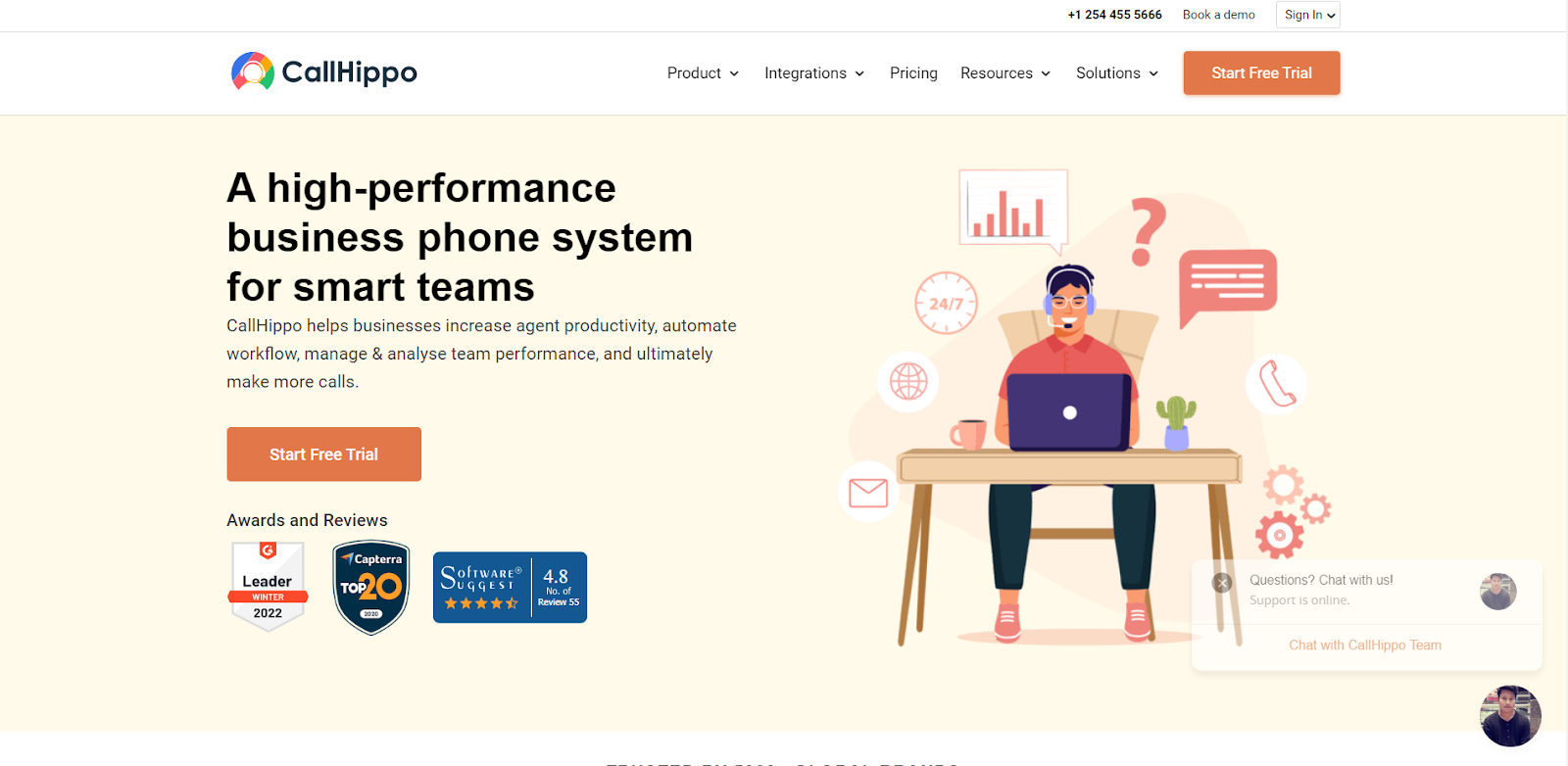
CallHippo is a dominant provider of Voice-over-Internet-Protocol (VoIP) services and a market leader in the provision of business phone numbers. CallHippo is a fantastic solution for small and medium-sized enterprises with a variety of cutting-edge features that boost sales performance and agent efficiency.
Key Features:
-
permits call monitoring for supervisors.
-
monitors critical performance metrics.
-
gives immediate feedback to improve financial performance.
-
user-friendly UI, third-party connectors.
-
great levels of personalization.
Cost: Bronze Level: $20 Monthly - (For Startups)
Silver: $35 monthly (Ideal For Small Team)
Platinum: $45 Per Month - (Preferred For SMB Sales, Support & Marketing Teams)
13. SendPulse

Keeping in touch with your consumers is likely the most crucial goal for a startup in order to survive and succeed. Some clients like the tried-and-true email, while others might favor chatbots or an SMS with a discount offer. The focus of SendPulse is multichannel marketing.
Key Features:
-
providing a variety of lead generation tools and promotional channels, such as social network and messaging chatbots, SMS, email, and so on.
-
The platform includes a free CRM tool.
-
There is an Instagram chatbot that, in addition to doing the standard tasks, can respond to stories from subscribers that mention your company.
Cost: Almost all of the platform's key features have a free version, however, it has certain capability restrictions. Paid packages begin at about $7 monthly.
14. WiseStamp

Businesses can automate email-based staff advocacy campaigns using the well-liked email signature management service WiseStamp.
Key Features:
-
One email signature that is automatically synchronized to all staff email addresses can be created centrally by enterprises.
-
works flawlessly with every well-known email client, including Mac Mail, Outlook, G Suite, and more.
-
provides a simple drag-and-drop interface that makes it easy to create stunning email signatures quickly.
Cost: WiseStamp Pro costs $5.80 per month if paid yearly.
WiseStamp Teams: $2 per user each month paid yearly
15. Foundersuite
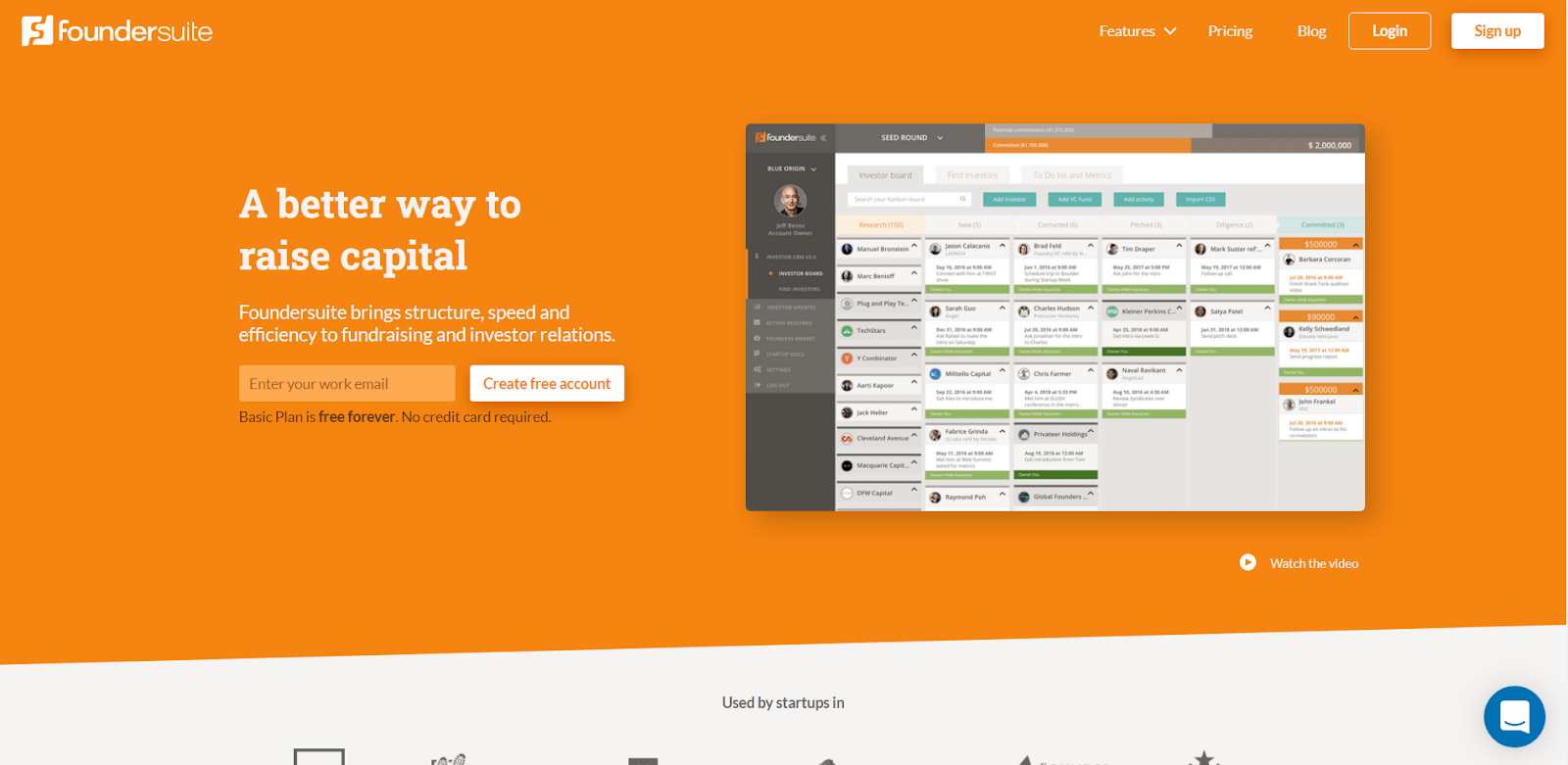
Foundersuite is a fantastic tool for helping your firm raise money. It improves investor interactions and fundraising by bringing structure, speed, and efficiency. It
Key Features:
-
provides a searchable venture capitalist database and CRM application for managing your investor funnel.
-
also provides a feature called Investor Updater that aids in generating monthly progress updates.
-
Additionally, it has FoundersMarket, a collection of hand-picked discounts on well-liked products, as well as Startup Docs, a vast collection of spreadsheets and templates, including pitch decks and founders' agreements.
Cost: Basic free of cost.
16. Crunchbase

A renowned startup platform where business owners can research cutting-edge companies This startup tool is trusted by more than 50 million business owners, investors, industry analysts, and sales experts. Crunchbase is used by numerous startups from across the world to power their applications. It really is an excellent tool for business owners. Among its notable clients are Samsung, Honda, Nvidia, Shell, MixPanel, and Harvard, to name a few.
Key Features:
-
Through its web interface, Crunchbase Pro gives you access to any company, investor, or funding data.
-
includes features including CSV (Comma-Separated Values) exports, customized alarms, customizable lists, and advanced searching.
-
You can collaborate with specialists to develop new opportunities.
Cost: Essential free of cost and pro for $29 per month.
17. Gust
Gust is a great platform to start, expand, or fund your firm if you want to test out startup tools and resources. They provide mission-critical business tools, potent performance benchmarks, and dependable fundraising suggestions to aid entrepreneurs in creating investable firms.
Key Features:
-
It offers assistance at every stage of your startup's development.
-
The best opportunity for investment is given to you when it comes time to raise money for a startup.
-
They'll introduce you to a startup environment unlike any other, with over 650,000+ startup owners and 80,000+ investing professionals.
Cost: Starts at $175 per year.
18. inDinero

By combining accounting, taxes, and CFO advice, inDinero gives you proactive support and real-time visibility into the functioning of your startup. You can scale your startup with the appropriate accounting, tax management, and CFO help whenever you need it thanks to their cloud-based solution.
Key Features:
-
provides scalable accounting software and on-demand CFOs to help companies prepare for growth (Chief Financial Officers).
-
You have 24/7 access to your on-demand CFO and cloud-based financial information.
-
Appreciate accounting insights in real-time.
-
With ease, increase your tax savings.
Cost: Starts at $130 per month.
19. Fresh Books
A complete startup invoicing and accounting software solution is Fresh Books. Your startup bookkeeping is made simple, quick, and safe by Fresh Books. It quickly automates your financial duties, such as planning spending, creating invoices, monitoring payments, and following up with clients.
Key Features:
-
Profit and Loss Statements (PLS), taxes summaries, and expenditure reports allow you to view your financial situation.
-
can group your credit card transaction fees into different categories and display a summary of all deposits on its dashboard.
-
can be integrated with Basecamp, Paypal, MailChimp, and Zenpayroll, among other services.
Cost: $15/month for Lite, $25/month for Plus, and $50/month for Premium.
20. Intercom

You may easily scale your early-stage startup with the aid of Intercom. Your customers can be acquired, onboarded, engaged, or supported in a tailored way thanks to its user-friendly products.
Key Features:
-
Live chat and customized visitor communications can increase website conversions.
-
To onboard new customers, you can also send behavior-based push and email messages.
-
Based on their personas and the actions they perform on your website or the product page, it enables you to track and segment your prospects.
-
New feature announcements can be made via customized in-app messaging.
-
You'll get speedier responses, quicker fixes, and more delighted consumers by using email and messaging.
Cost: Pro at $153 per month, Essential at $87 per month, and Premium at a Custom price.
21. Salesflare
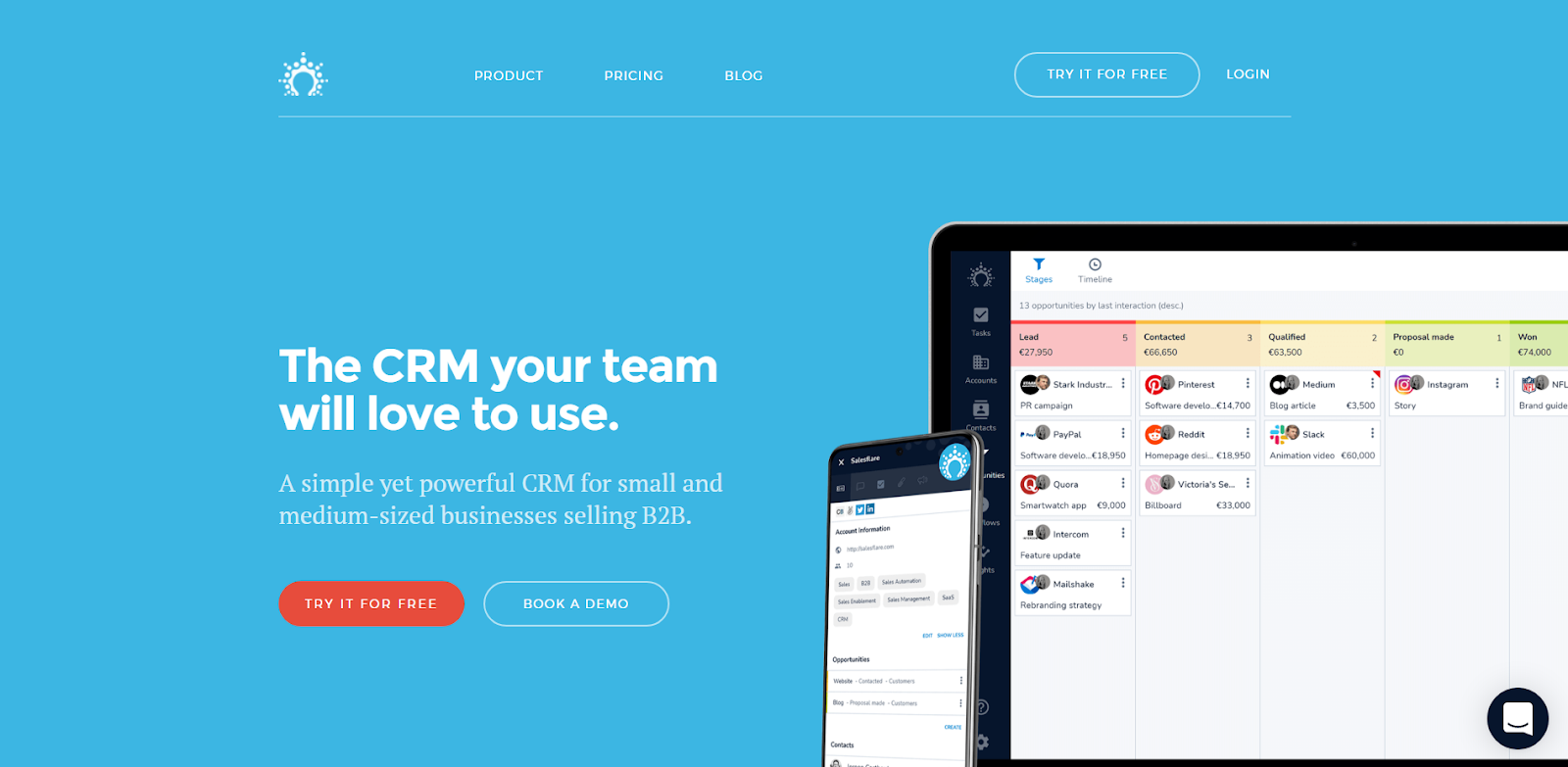
Both Gmail (including Workspace) and Office 365 have fantastic integrations with Salesflare, which collects a tonne of data from your inbox and meetings, tracks email openings and clicks, powers email templates, and provides a convenient sidebar that lets you use Salesflare exclusively from your inbox.
Key Features:
-
Drag-and-drop sales pipelines that are visual.
-
tracking for emails and websites.
-
sync email signatures.
-
automatically enhanced contact and corporate information.
-
Email templates, workflows, and sequences.
-
relationships' signs of strength.
-
automated emails and follow-up reminders.
-
scanner for business cards.
-
dashboards that are pre-built and can be customized.
Cost: The monthly prices for GROWTH are $29, PRO is $49, and ENTERPRISE is $99 each month.
22. Mockplus

A web-based application for collaborative design is called Mockplus. Using drag-and-drop functionality, you can use Mockplus to work in real-time with your team to generate responsive wireframes and prototypes.
Key Features:
-
includes countless ready-to-use components and icons.
-
You may quickly develop and modify your own components by using the pencil and pen tools for vector sketching that are provided.
-
unifies the complete procedure for product design.
-
incorporates team cooperation, handoff, and management inside a structured system in addition to design.
Cost: Basic: 10 users and 10 projects, FREE.
Pro: Up to 30 users, limitless projects, and $7.95 per month.
Ultimate: $17.95 per month, unlimited projects and users.
23. Logo Design

To offer your new firm a distinctive visual identity, use a logo design tool online. For a wide range of businesses, the program's comprehensive gallery of distinctive logo templates is available. The patterns are eye-catching, adaptable to different tastes in style, and simple to modify. To use this program, you don't need to be a graphic designer. You may modify the logo icon, change the colors, select a different font, and make a tonne of additional customizations by just clicking on various design elements.
Key Features:
-
You can incorporate your phrase into the logo in addition to the business name.
-
Although a team of expert graphic designers created each template on this site, you can also choose custom or premium designs.
-
Contacting their design staff will allow you to request an exclusive logo design.
-
For optimal brand visibility, the website also provides services for designing and printing business cards.
Cost: Contact company.
24. Unsplash

One of the tools for startups is Unsplash, which provides high-resolution stock pictures so you can design visually appealing marketing and campaigns for your business. The world's most giving photography community actively contributes to this platform.
Key Features:
-
They have a sizable library with more than a million HD stock photos, and they add hundreds more each day.
-
will undoubtedly enable you to locate the ideal pictures.
-
can utilize their search option to download precisely what you're seeking or discover inspiration from the fresh images they hand-pick each day.
Cost: Free of cost.
25. Canva
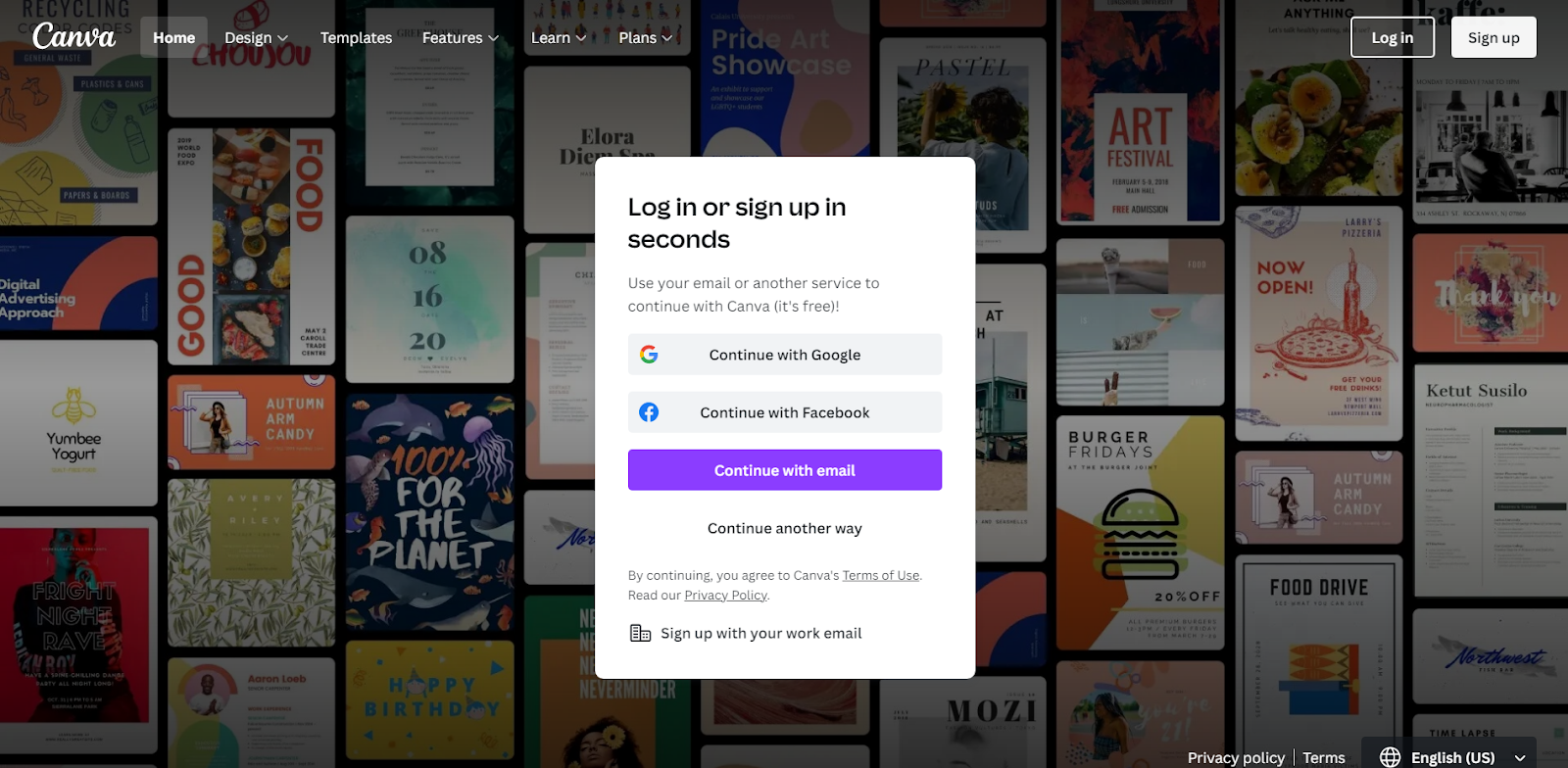
An online tool for graphic design is Canva. Many people and businesses use it frequently to create social media posts, blog graphics, Twitter headers, Facebook advertisements, Instagram posts, and many other things. You may create a variety of aesthetically appealing material with the help of a library that has more than a million fonts, photos, and icons.
Key Features:
-
Its user interface is quite simple to operate.
-
Using their drag-and-drop tools, you can choose a template or start from scratch and make your own.
-
The use of graphics or photos provided by international designers is also possible for a modest price.
Cost: Basic free of cost.
26. WordPress

WordPress is one of the most well-known CMSs and needs no introduction. Based on PHP and MySQL, this content management system is free and open-source. Plugin architecture and a template system for creating visually appealing websites are among its key features.
Key Features:
-
It provides social sharing, multiple page styles, auto upgrades, and support in addition to responsive design.
-
offers a wide range of widgets and plugins in addition to theme customization, SEO, and other features.
-
a great platform for new businesses to easily develop websites and drive traffic online.
Cost: Basic free of cost.
27. Slack
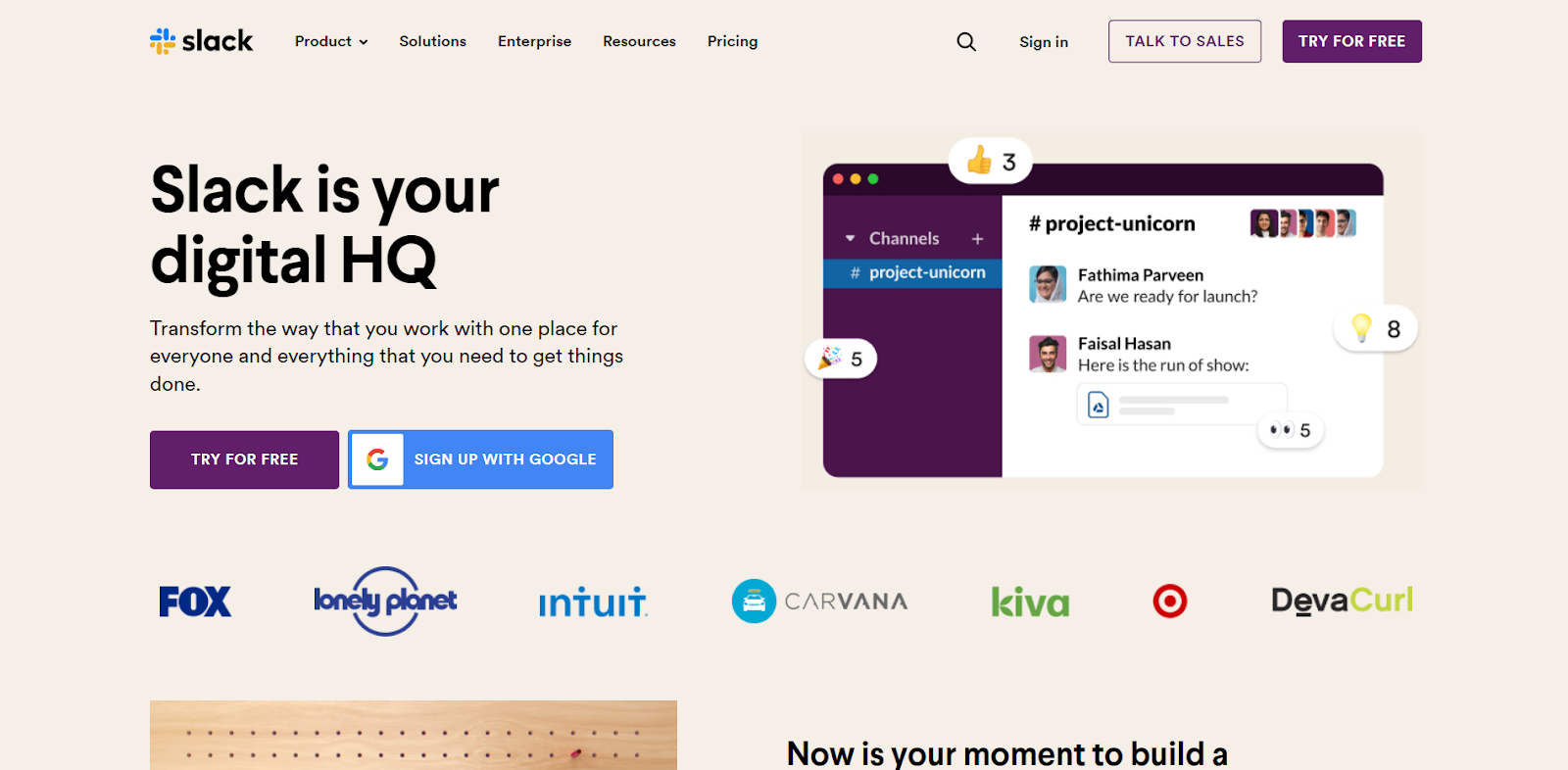
One of the most popular instant messaging apps is Slack. Slack allows you to set up channels for discussions on various subjects.
Key Features:
-
provides a comprehensive Slack App Directory where you can simply connect Slack with applications your startup already uses in your daily workflow or add extra features to help you utilize Slack in a more productive way.
-
Almost everything a startup requires is covered by the free plan; however, the free plan only has a limited history and can only install a maximum of 10 apps.
Cost: Free, but premium, with packages beginning at $6.67 per user per month.
28. Trello

Trello is a list-making tool in the Kanban-style that is useful for project or task management.
Key Features:
-
Labels, checklists, and due dates can be added to boards, lists, and cards.
-
Simply drag and drop projects and tasks to track progress on your team's projects and tasks.
-
There are numerous Power-ups (basically Trello apps) that you can add to Trello to enhance its already incredible features.
Cost: Free, but premium options with monthly plans beginning at $9.99 per user.
29. Kipwise
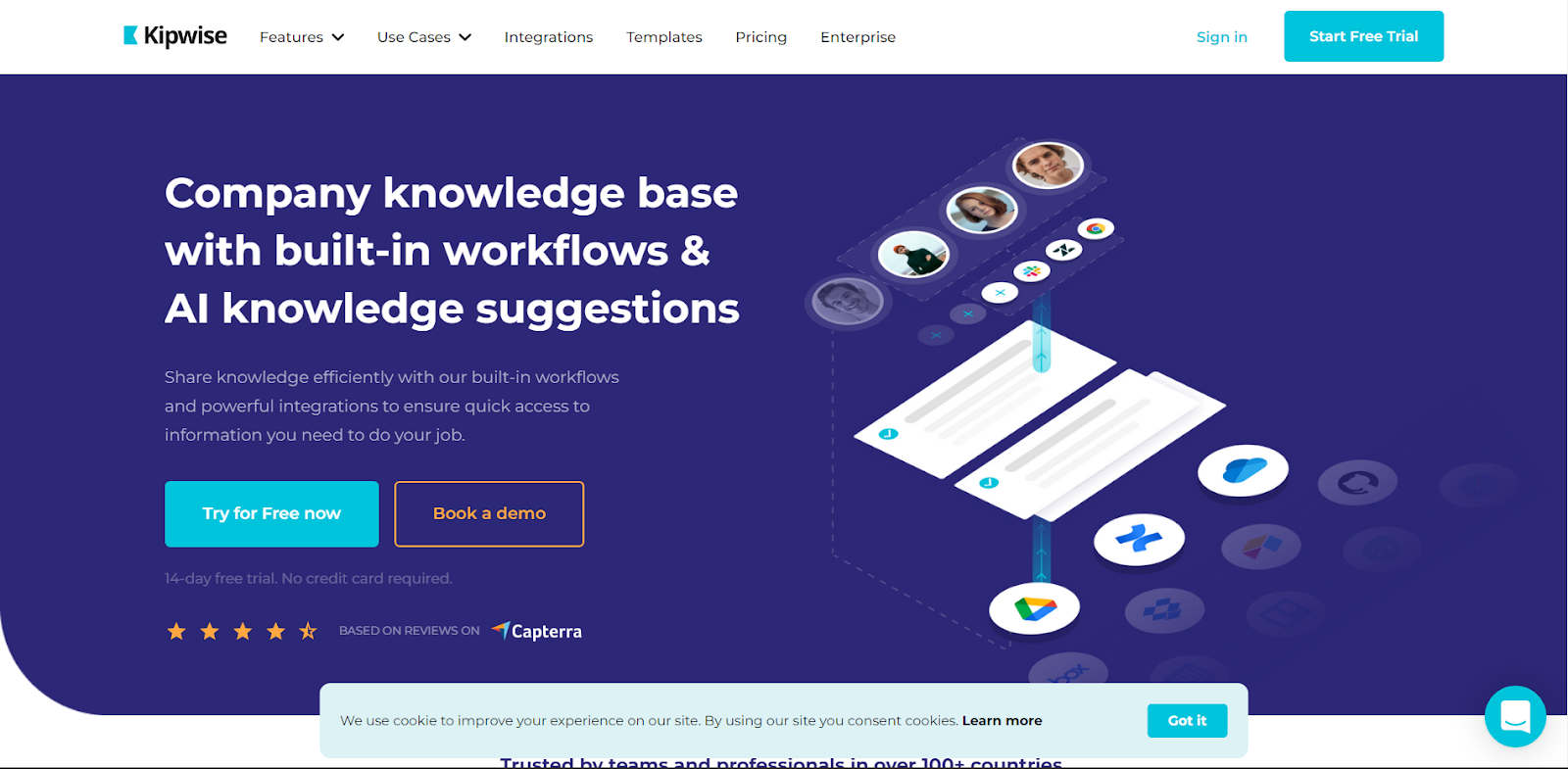
A knowledge management application called Kipwise makes it simple for teams to create a company knowledge hub. You can simply store and retrieve team knowledge wherever you need it with the help of its robust Slack connection, browser extensions, and integrations with Google Drive, Trello, Airtable, and other services.
Key Features:
-
Slack integration is strong.
-
real-time, group editing.
-
process for reviewing content
Cost: Beginning at $16 per month for ten users.
30. Donut
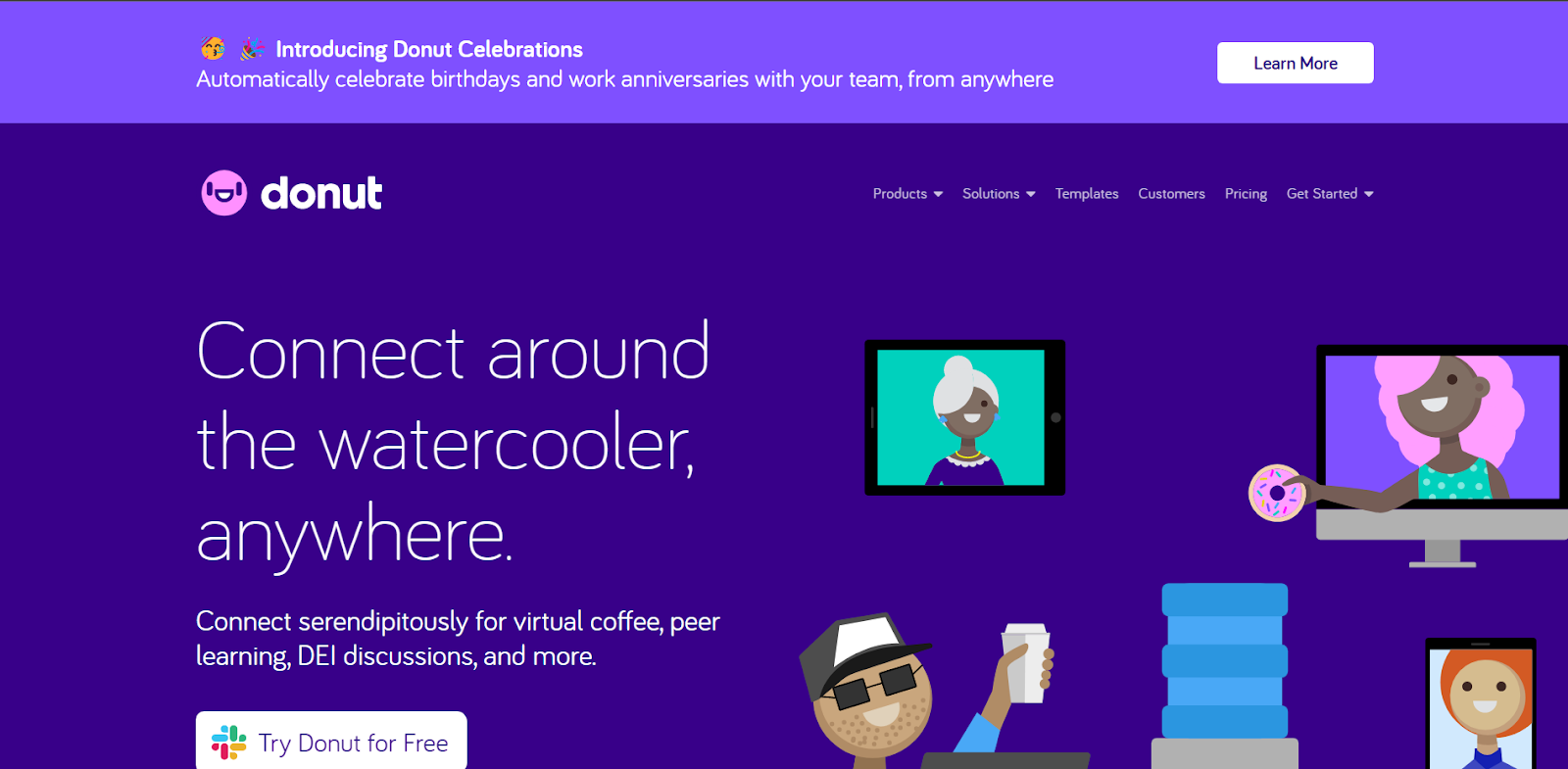
Donut is a helpful tool for your team to get to know one another better across divisions, offices, and countries. It's especially helpful if your firm employs remote workers.
Key Features:
-
introduces strangers on teams of various sizes via direct chat and encourages them to interact electronically or in person for a number of programs.
-
can use Donut to welcome new employees and introduce them to their teammates or onboarding buddies.
Cost: Free, however, premium packages starting at $49 a month for 49 users are also available.
Things To Consider When Buying a Startup Founders Community Tool
What are the costs and the value of it?
Any company decision must take pricing into account, but it shouldn't be the only one. Your company might not get the best value if you base your decision just on price. Keep in mind that a software's pricing is not always an indication of its worth. When deciding on a price point, start with a simple budget and choose your "must-have" features within that range. Create a list of "good to have" and "don't require" features next. This will enable you to comprehend the value a piece of software delivers to your company.
Will you require help with implementation?
You want to pick a piece of software that will be simple and quick for your staff to use. A highly complicated approach that takes a long time to learn will have a negative impact on adoption rates. Make sure you thoroughly research all available software solutions before choosing them for your business or team.
When are new updates pushed?
The top software providers regularly update their offerings. Ask software providers about the frequency of their product upgrades and the methods used to convey them while speaking with them. It's also crucial to take note of any service restrictions or limitations brought on by by-product changes, as they could have an influence on your company's operations.
Can you customize the system to match your needs?
On paper, customization looks amazing. Who wouldn't want their system to perfectly suit their needs? Customization, however, comes with a cost, particularly if your business has specific software requirements. A software system that allows for a great deal of customization could also be clumsy, complex, and challenging to use.
Conclusion
By 2026, founder community tools are less about “nice-to-have networking” and more about practical execution: faster feedback loops, access to mentors and operators, easier distribution at launch, and smoother collaboration for remote or hybrid teams. The best tools are the ones that remove bottlenecks early, like planning, prototyping, launch, customer communication, analytics, and internal alignment. Used intentionally, a lean stack can reduce time to first revenue and help founders avoid wasteful spending while they iterate. The key is to start simple, measure impact, and only add tools when they clearly save time, improve outcomes, or replace a process you would otherwise hire for.
FAQS
What is a startup?
Startups are young businesses created with the goal of creating a special good or service, bringing it to market, and making it impossible for customers to resist and replace it.
Why are startups known as “disruptors”?
A startup, which is rooted in innovation, strives to address flaws in current products or develop completely new categories of goods and services, upending long-established methods of thinking and conducting business for entire industries. Because of this, many companies are referred to as "disruptors" in their respective industries.
What is a startup tool?
There are startup tools and technologies that can help clever businessmen save time while also decreasing initial expenditures.
How are startups funded?
Startups are funded through a series of bootstrapping, seed funding, and Series A, B, C, and D funding rounds.
