
If you are a startup or new business founder in 2026, networking is no longer optional. It is a core growth lever. Recent global founder surveys show that over 70 percent of early stage startups attribute their first paying customers, advisors, or investors directly to networking activities. In addition, more than 60 percent of founders report that peer connections and founder communities accelerate decision making and reduce early stage mistakes. Alongside marketing, sales, and product development, networking now plays a measurable role in revenue growth, hiring speed, and fundraising success.
Networking is about building meaningful relationships with customers, professionals, investors, and industry leaders who can open doors, share insight, and validate ideas faster than any solo effort.
1. Clarity

Users can succeed regardless of their level of business experience. However, every entrepreneur requires practical counseling on their entrepreneurial journey. By working with Clarity, we ensure aspirational business owners get the guidance they need. In addition, users can network on the website with global business leaders.
Key Features :
-
Users can network with business executives from across the world on the website. The specialists at Clarity can handle whatever difficulty an entrepreneur might be up against.
-
This resource for entrepreneurs offers a wide range of business advice that can assist anyone in growing their company, obtaining funding, identifying industry trends, or honing their abilities.
-
This resource for entrepreneurs has covered the best business advice, whether a business person is scaling their business, raising funding, monitoring market trends, or honing their talents.
Cost:
Calls: $1 per minute.
2. Mindmeister
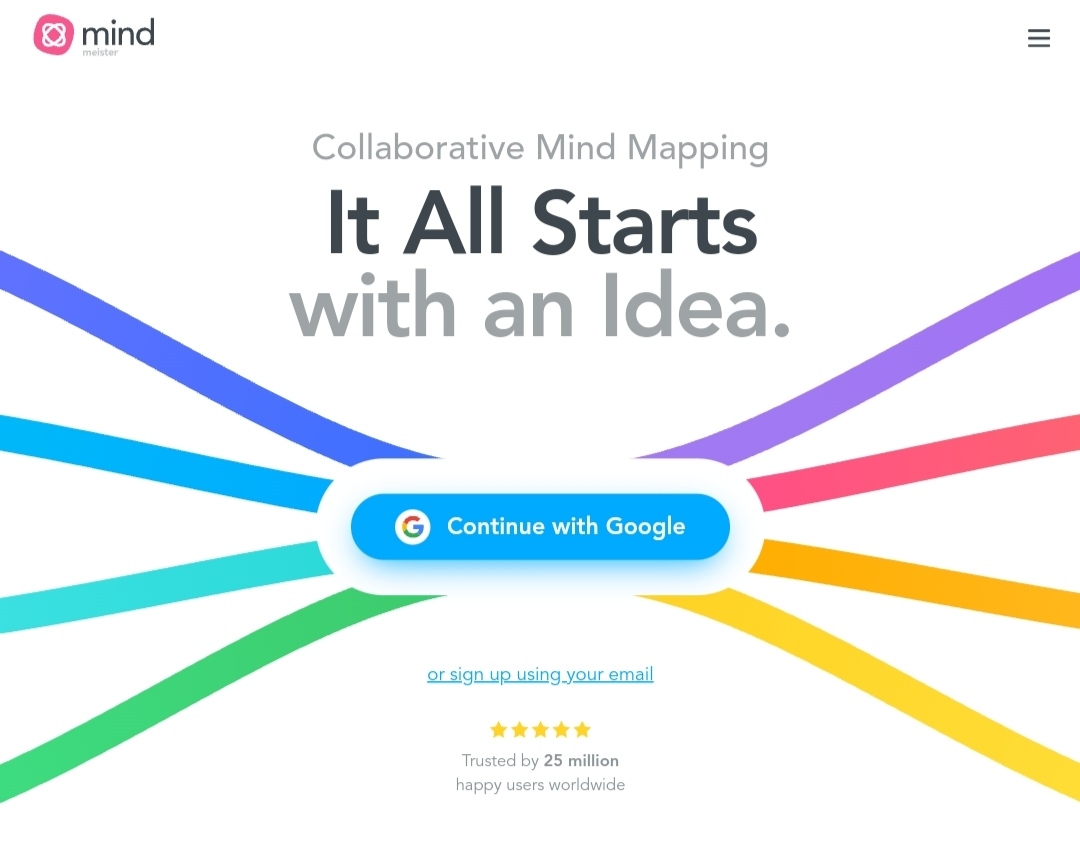
Users may discuss and communicate in actual time with professionals utilizing these online mind-mapping tools. This startup tool can also make presentations in addition to brainstorming and project planning. Finally, users may create interactive slideshows out of mind maps using Mindmeister.
Key Features :
-
It connects with the task management software MeisterTask, enabling users to convert their ideas into doable tasks.
-
Create as many subtopics as they like, then explore them using color coding to add style and clarity.
-
Users can rapidly and artistically map their important ideas using our user-friendly editor.
-
Set the group's collaborative creativity free and make unique mind maps for everything from project planning to brainstorming to meeting management.
Cost:
-
Basic: Free.
-
Individual: $4.99.
-
Professional: $8.25.
-
Enterprise: $12.49.
3. Balsamiq
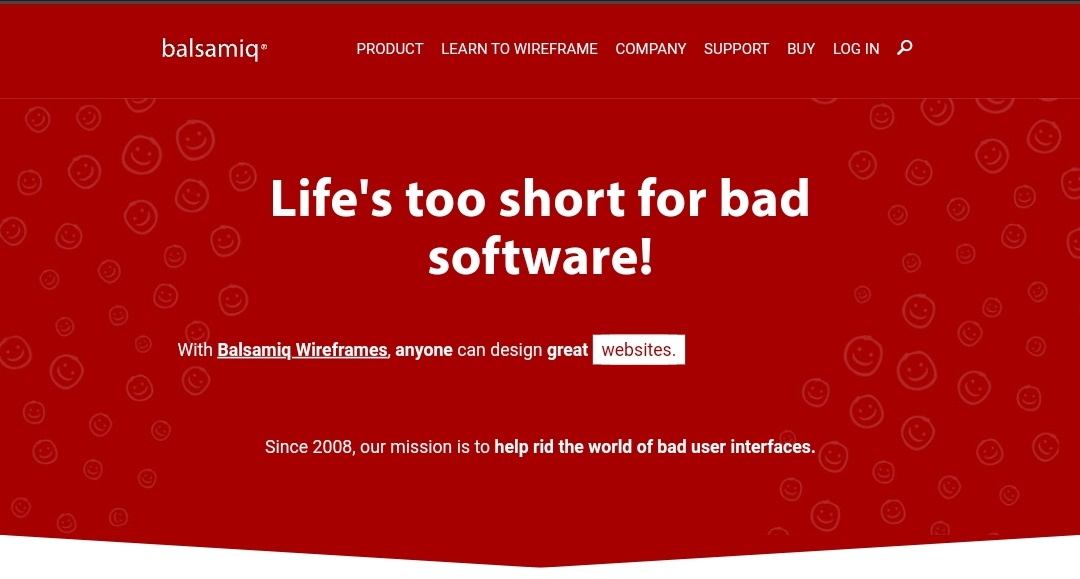
Business owners, managers, analysts, programmers, agencies, and anyone interested in user experience can use the low-fidelity wireframing application Balsamiq. They want to help others create user-friendly websites and applications and eliminate poor user interfaces worldwide.
Key Features:
-
The company provides thorough documentation, assists in keeping the programme updated with new releases, and provides support through several channels.
-
Users can find tutorials and papers on their assistance page on the fundamental to the advanced levels.
-
Since Balsamiq Wireframes is the fastest, most focused low-fidelity wireframing tool available, UX professionals also utilize it.
Cost:
-
1 User: $98
-
Free 30-day trial.
4.Product Hunt

Product Hunt highlights new products every day. For fans of products, it's a great location. They can geek out about all the latest developments, services, websites, mobile applications, and other technological advancements.
Key Features:
-
Users can easily use it to ensure that their goods and the company are effectively launched.
-
In addition, it Utilizes a voting system similar to Reddit's and a user commenting system.
-
Thanks to its already-existing network of testers eager to test the new products, starting their business has never been easier.
Cost:
Free of cost.
5. Arcade

Nothing better than a well-done product demo may make a potential customer comprehend their product and its advantages. Anyone may quickly and easily make interactive product demos using Arcade by just recording their program usage.
Key Features:
-
To generate leads, incorporate a CTA in your interactive demo and provide tooltips to help users understand how features and benefits relate to one another.
-
Arcades can be tweeted, placed on a website, or sent to potential customers.
-
Arcade automatically combines screenshots, videos, and tooltips to help you quickly highlight your product.
Cost:
-
Accessible trails are available.
-
Pro : $32 per month.
6. Beta List
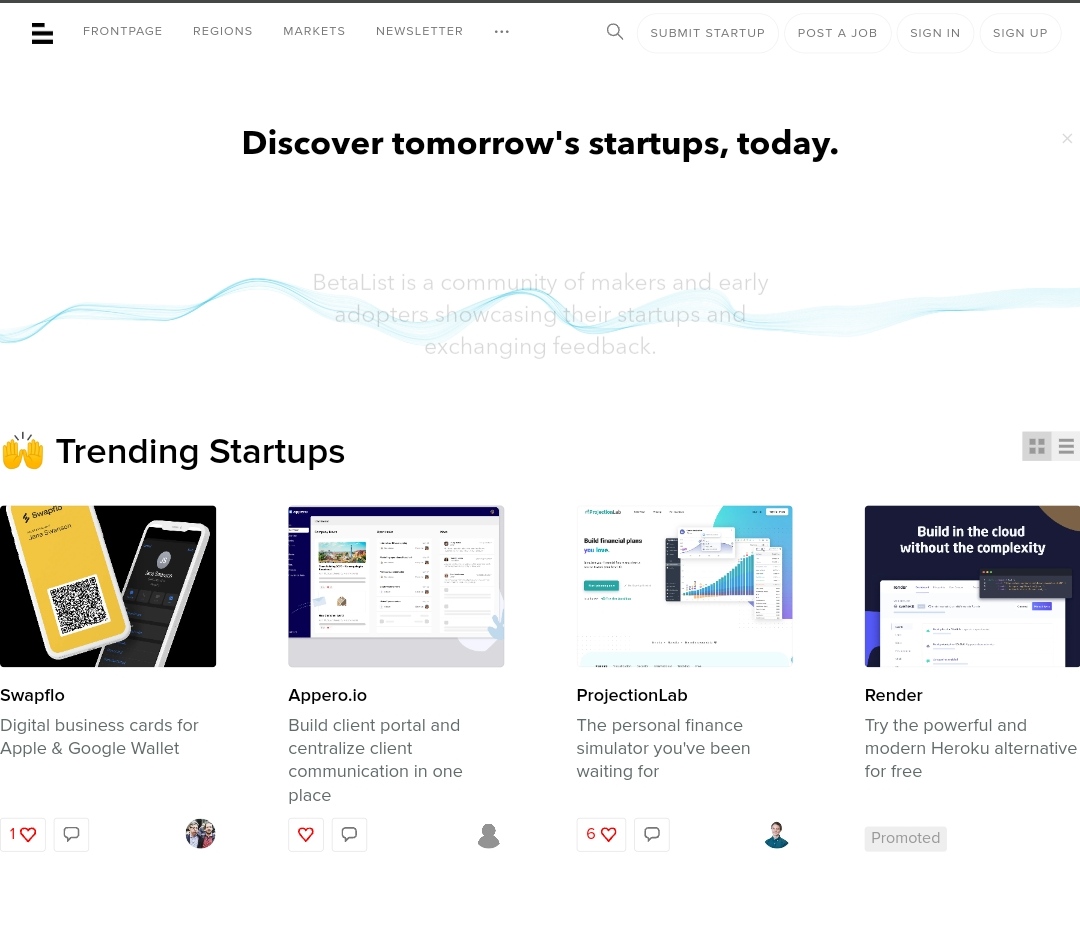
Beta List, a primary launch tool, can help a business get the traction needed for an effective release. Over 3,000 company proprietors may now properly comprehend their customers due to Beta List with the help of qualitative and quantitative research, ensuring that they create the right product for the right market.
Key Features:
-
A wonderful group of skilled business enthusiasts will listen to your company idea presentation and give users valuable feedback.
-
It helps users comprehend the needs of their customers.
-
BetaList is a group of innovators and early adopters who share feedback and showcase their startups.
Cost:
- Free of cost
7. Foundersuite
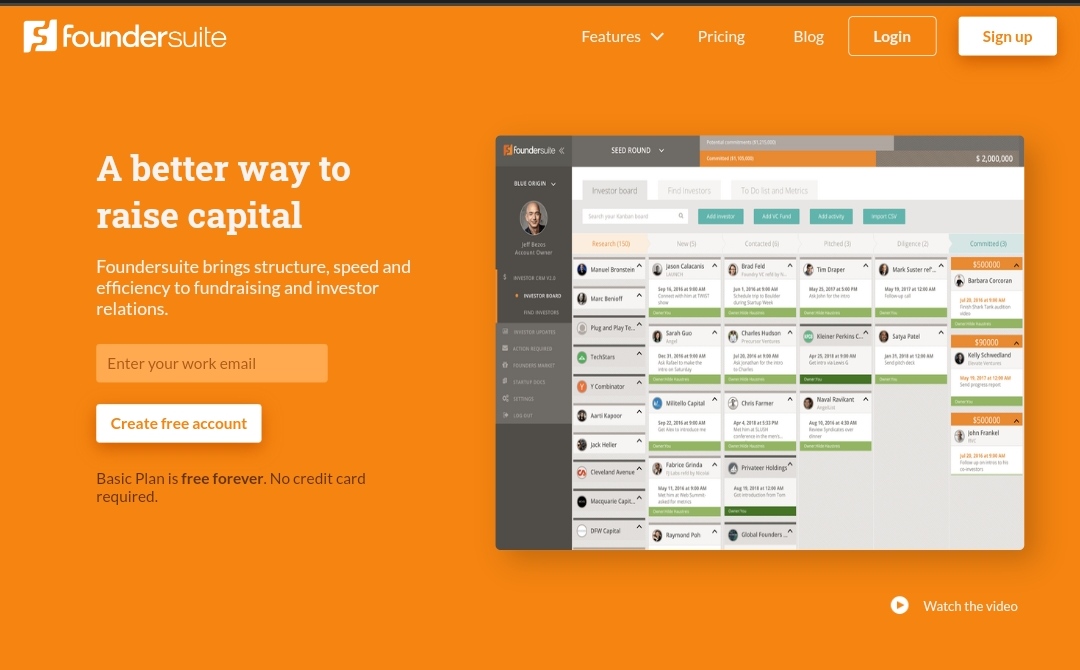
Lack of sufficient funding is one of the most significant causes of startup failure. Every new business needs a substantial amount of funding to thrive and expand. Unfortunately, finding an investor, is difficult. One tool that can assist you in raising money is Foundersuite.
Key Features:
-
It provides a customer relationship management (CRM) solution to handle the venture capitalist database and investor funnel.
-
Fundraising and investor relations are made more organized, quick, and effective using Foundersuite.
-
The Agent Model is intended for investment bankers, venture capitalists, broker-dealers, and funding advisors—basically, anyone who aids in the capitalization of other businesses.
Cost:
-
Gold: $62 per month
-
Silver: $44 per month
-
Basic : Free of cost
8. Just in mind
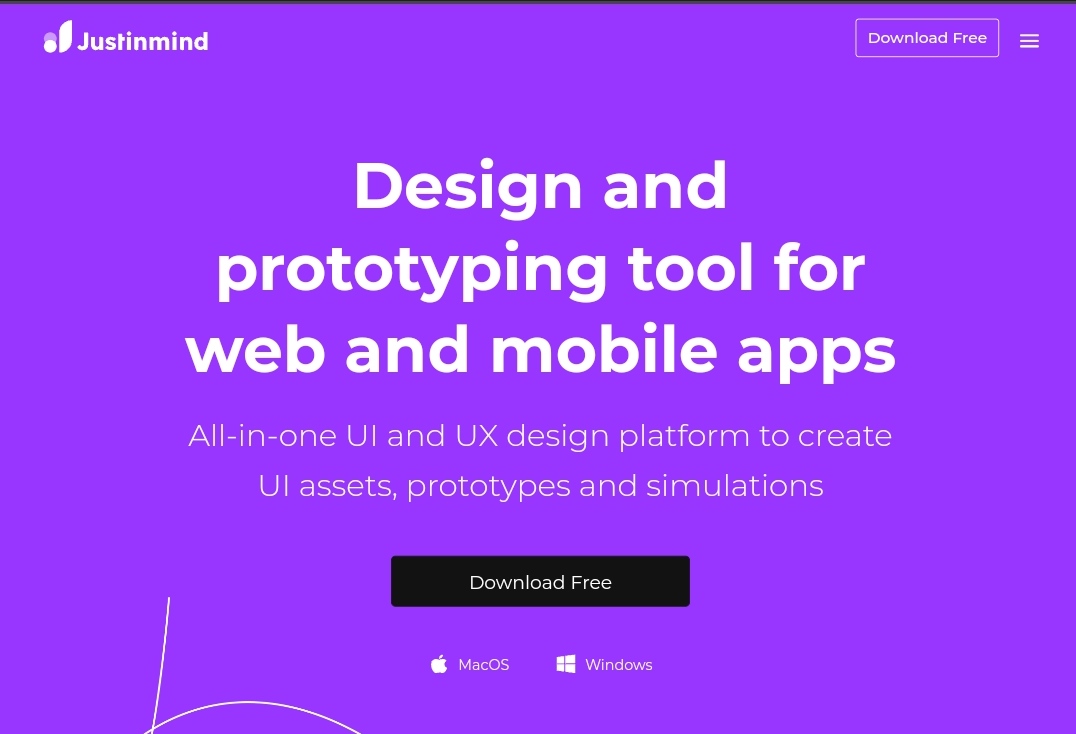
The top startup tools provide complete smartphone and internet application prototypes. Just in Mind provides every possible means, from wireframes to incredibly active concepts.
Key Features:
-
Users can create from the start completely interactive prototypes and activate them with a single click.
-
It offers a full range of web interactions and mobile motions to enable users to focus on creating an incredible user experience.
-
Users may design wireframes that work on computers and mobile phones with different screen resolutions.
Cost:
Free of download.
Standard: $9 per month.
Professional: $19 per month.
9. Send Pulse
The most crucial objective for a startup is probably staying in touch with its customers to thrive. While some customers prefer the tried-and-true email, others may choose chatbots or an SMS with a promotional offer. Therefore, multi-channel marketing is SendPulse's primary objective.
Key Features:
-
They offer a variety of lead generation tools and promotional channels, including SMS, email, chatbots for social networks, and so on.
-
There is a free CRM tool on the platform.
-
A chatbot for Instagram can reply to subscriber stories that mention your business in addition to performing the usual chores.
Cost:
-
There is a free version of almost all of the platform's essential functions, although it has some functionality limitations.
-
Paid plans start at around $7 per month.
10. Cloudways

A managed cloud hosting platform called Cloudways allows users to concentrate on expanding their business while it takes care of your website hosting and offers sustainable growth.
Key Features:
-
Cloudways offers a great feature set that makes it simple to scale a user’s startup.
-
Through the Cloudways Startup Program, which is only available to startups, Cloudways provides mentorship, growth tools, and discounts on the Cloudways platform.
-
Peak website performance is ensured with a wholly optimized stack that includes a built-in sophisticated cache and Cloudflare (CDN), leading to quicker growth and less annoyance.
Cost:
- $10 per month.
11. Mail Chimp
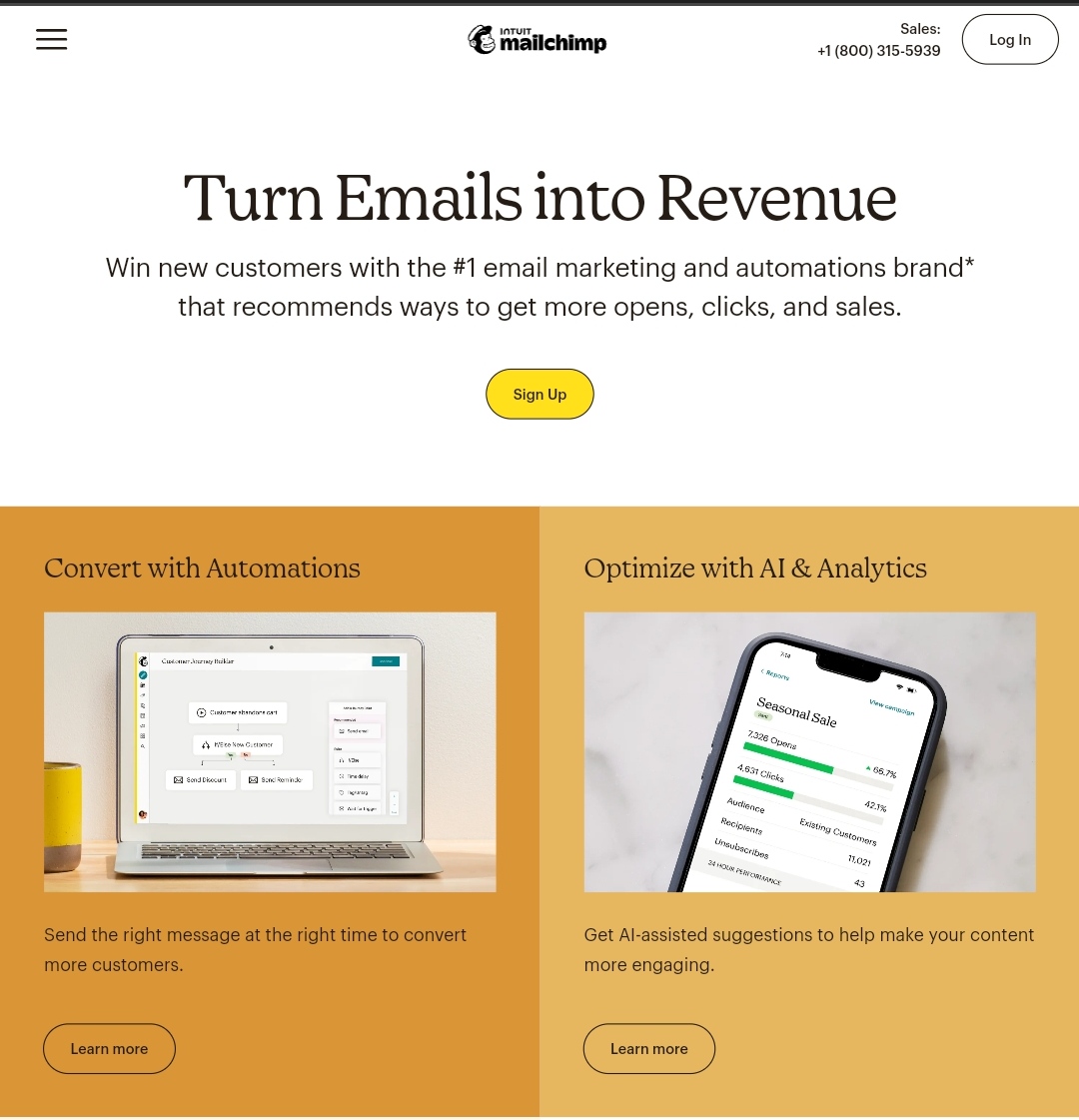
Email marketing has recently shown to be a very successful method for companies. However, suppose users want to execute a successful email marketing campaign for their startup. In that case, they need an email marketing tool that is nothing less than exceptional—introducing MailChimp, a platform with that startups are familiar.
Key Features:
-
With the help of this email marketing tool for startups, digital marketers may send emails right to anyone’s mailbox using a reputable emailing provider.
-
To increase consumer conversion, send the correct message at the right moment.
-
Get AI-assisted recommendations to help you improve the engagement of your content.
-
Increase client loyalty by selecting the appropriate clients to target.
Cost:
-
Free Plan available.
-
Essentials : $9.99 per month.
-
Standard:$14.99 per month.
-
Premium: $299 per month.
12. Mangools
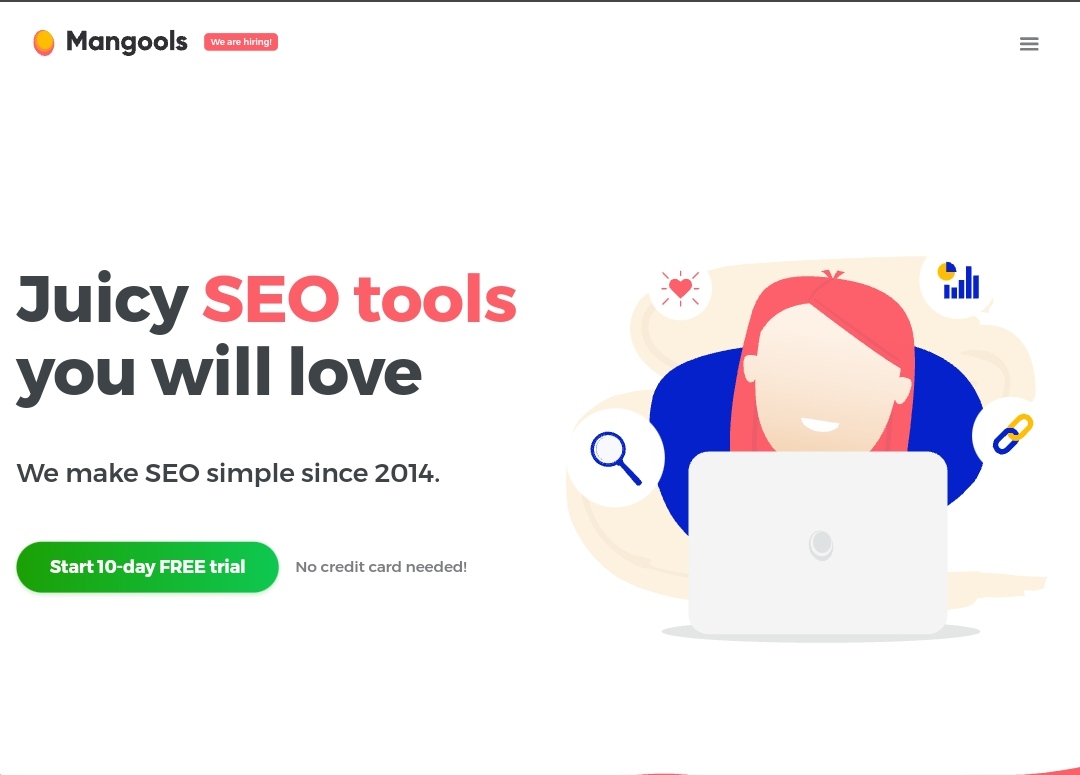
Mangools is an intuitive SEO tool that successful SEO experts trust worldwide. For bloggers, affiliate marketers, marketing firms, and SEO experts, it's a fantastic option.
Key Features:
-
With Mangools, users may locate all the appropriate keywords, evaluate search results anywhere, compare themselves to rivals, keep track of their keyword rankings, and enhance them with potent backlinks.
-
It allows users to plan, share interactive reports, and be alerted to significant hiccups.
-
Utilizes essential SEO authority, popularity measures, and link profile information to help users highlight their competitors.
Cost:
-
Basic: $29.90
-
Premium:$39.90
-
Agency: $79.90
13. Google Analytics
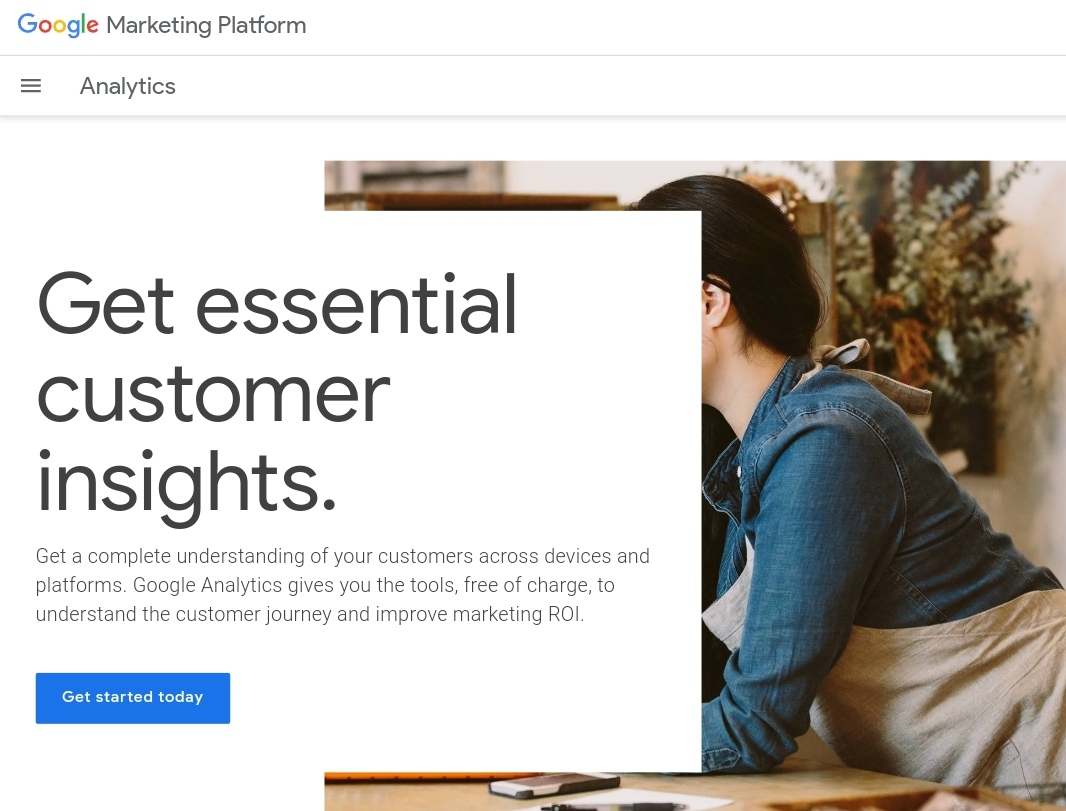
Google Analytics is one of the most critical tools for startups to monitor website traffic. What is working and what is not can be determined. Knowing what isn't working will help you improve user experience and customer engagement.
Key Features:
-
It aids in the development of much stronger digital marketing strategies, which ultimately raise conversion rates.
-
Utilizing Google Analytics will help you improve startup outcomes by tracking internet marketing tactics and continuously evaluating data.
-
Users can quickly assess the data and work together.
Cost:
- Free of cost till users cross 5 million impressions per month.
14. Cabal
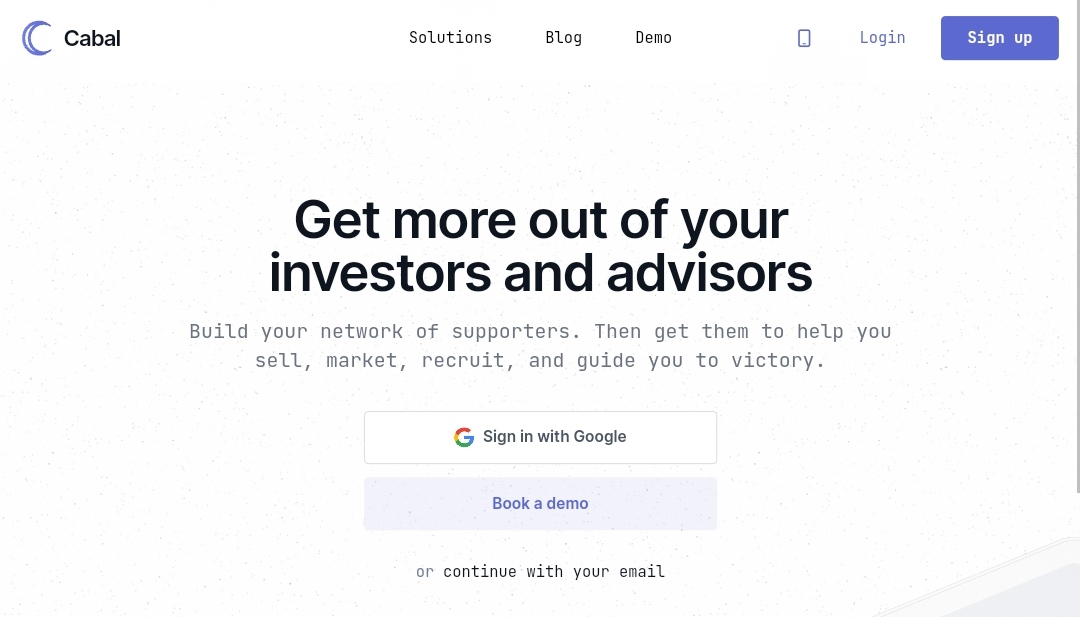
Almost nothing is worse for founders than having a great network of investors and advisors but not correctly utilizing them. Cabal makes it simple for founders to request assistance and engage their advisor network for proper introductions.
Key Features:
-
Cabal is a secure workspace where founders may communicate privately, track donations, and expand their advisor network.
-
Use personalized emails to update supporters on your progress and increase engagement. Use the investor update template we've provided, or make your own.
-
Users can stop back and forth with pre-made templates, standardized contracts, and a collaborative email workflow, users can stop back and forth when activating supporters.
Cost:
- Sign-up is free.
15. Crunchbase

With the help of the brand-new Crunchbase HubSpot integration, users can quickly create and manage the pipeline using a single, user-friendly tool. As a result, more than 75 million business CEOs trust this startup tool.
Key Features:
-
Crunchbase Pro provides users access to business, buyer, or financing data through its web interface.
-
It contains CSV exports, personalized alarms, individualized lists, and sophisticated searching.
-
Choose people to contact and provide them with verified contact information.
Cost:
-
Free Version available.
-
Pro version: $29 per month.
16. Gust

Gust is a terrific forum to launch, grow, or finance any business if anyone wants to test startup tools and resources—a platform for managing equity ownership, granting options, and obtaining 409A valuations for startups.
Key Features:
-
To help entrepreneurs build investable businesses, they offer crucial business tools, practical success standards, and reliable fundraising advice.
-
It provides support during every phase of the growth of the startup. When it comes to investing in a business, Gust offers clients the most acceptable option.
-
Utilize the community's and team's combined experience to advance the understanding and expand the network of business allies.
Cost:
-
Start at $175 per year.
-
Accelerate is for $875 per year.
-
So the raise is $4,775 per year.
17. Intercom

The only tool you need to communicate with your consumers across their entire lifespan is Intercom. Intercom enables us to have frictionless discussions with our customers and prospects to drive continuing engagement and delight our customers.
Key Features:
-
Automated welcome messages will help you engage visitors to your website or mobile app.
-
Make narrated product tours to welcome new clients.
-
Using focused in-app and email communications, advertise new features and deals.
-
Utilize dialogues to gather client input and drive your product plan.
Cost:
-
Essential: $87 per month
-
Pro:$153 per month
-
Premium Custom pricing
18. Salesflare

The intelligent CRM that startups and small businesses adore using is called Salesflare. It is a sales pipeline tool with zero input that thinks and functions for the user, not the other way around—no more typing in data by hand.
Key Features:
-
Salesflare proactively surfaces the opportunities for which action is required and displays the data you need to take that action.
-
Users' team members don't have to participate in every email, phone call, or meeting to follow the customer interactions in which they participate. To start working together, just give them access to your account.
-
For entrepreneurs, Salesflare's price is straightforward and reasonable. Moreover, it won't set you back an arm and a leg to use all of its features, unlike some other CRMs.
Cost:
-
Growth: $29 per month
-
Pro: $49 per month
-
Enterprise: $99 per month
19. Mockplus

Mockplus is a web-based programme for collaborative design. Users may use Mockplus to create responsive wireframes and prototypes in real-time with your team by using its drag-and-drop features.
Key Features:
-
Includes a sizable number of icons and pieces that are suitable to use.
-
Utilize marker pen and pencil for graphic sketching tools to quickly design and modify user components.
-
It combines the entire process of product design.
Cost:
-
Basic: Free for ten users and ten projects.
-
Pro: $7.95 monthly.
-
Ultimate: $17.95 per month
20. Logo Design

Utilize an online tool for a logo design to give one new business a unique visual identity. The program's extensive portfolio of impressive logo designs is accessible to various enterprises. The motifs are striking, easily adjustable, and adaptable to multiple fashion preferences. Users don't have to be graphic designers to utilize this tool. By simply clicking on different design aspects, anyone may alter the symbol icon, change the colors, choose an alternative font, and create many other adjustments.
Key Features:
-
Users may include their phrases in the logo along with the company name.
-
Users can select spoke or premium designs even though a group of qualified graphic designers designed each template.
-
Users can propose a unique logo concept by contacting their design team.
-
The site offers design and printing services for business cards for maximum brand visibility.
Cost:
For the price, users need to contact the company.
Conclusion
In 2026, successful founders do not rely on chance connections. They intentionally use networking tools to access knowledge, capital, partnerships, and early customers. The right platforms help founders shorten learning curves, validate ideas faster, and build trust at scale. When used consistently, these tools transform networking from a passive activity into a repeatable growth system that supports every stage of a startup’s journey.
FAQs
How can networking help in forming the founding team?
In addition to learning communication skills, networking can create new business opportunities for startup owners and their businesses. You must first put yourself out there to network. You can develop new relationships with other people in your field by networking through networking sites, social media, events, gatherings, and conferences.
Why is networking important for startup founders?
You can explore new opportunities through networking, including company sales, the acquisition of assets, partnerships, joint ventures, customer leads, and presentation opportunities that allow you to interact with people and give value to them.
Entrepreneurs and startups engage in networking events or join networking sites because they want to receive referrals from prequalified sources. They later turn these contacts into regular customers. Therefore, compared to leads gained through marketing initiatives, networking gives you leads of greater quality.
Where can you find good networking for business owners?
Despite not realizing it, people network every day. Business networking is unique because, the objective is to connect with like-minded people. On the other hand, business owners and startups can broaden their network by partnering with companies in several industry sectors and maintaining contact with them. The different ways to network for business purposes include:
- Networking tools
- Social media
- Business events
- Conferences
What are the things to consider while networking with other startup founders?
Entrepreneurs and startups with various backgrounds and levels of expertise are brought together at networking sites and local gatherings. The participants are there to find opportunities, mentors, contacts, advice, and inspiration. When participating in these boards, keep the following in mind.
- Treat commercial relationships locally and internationally equally.
- When meeting new people on networking sites, be true to yourself. You'll be able to attract more people and develop more sincere relationships as a result.
- Present your business as you would like it to be perceived by the public to build a foundation of trust.
- Talk about general issues that affect business owners everywhere. When you demonstrate that you are aware of their situation, people will feel more at ease when you discuss these subjects.
- Provide other business owners something of value, and they'll want to remain in touch with you. Being active can help with this.
What are the benefits of business networking?
Since you share a common outlook, business networking enables you to develop wonderful relationships. These people are most likely to serve as the foundation of your company.
You can discover new opportunities that allow you to interact with people. Make sure the opportunity you choose will advance your business objectives.
Entrepreneurs succeed in their startups because of the people they know, not because of what they know about the business. It would also be beneficial for your business to succeed if you had fewer trustworthy relationships and no enemies. So, connections are readily available to you when you need them.
One of the advantages of business networking is that you become more prominent and noticeable. Give people helpful advice and information to make them recognize you as a trustworthy, understanding, and knowledgeable person.
