

Most teams discover platform, process, and policy gaps during their first live pilot with real stakeholders, not from polished vendor demos.
From our experience in the startup ecosystem, the fastest wins come when you wire concrete capabilities together, for example decentralized identifiers for persistent agent identity, multilingual moderation pipelines to keep discourse healthy, and low code assistants that sit directly on top of live project data.
You think you know what "hybrid human AI" looks like until an unexpected translation bug, a policy synthesis lapse, or a brittle data permission breaks trust during a public consultation.
The low code market that powers most citizen developer workstreams is growing fast, with Gartner projecting low code development technologies to reach $58.2 billion by 2029 at a 14.1 percent CAGR, a useful proxy for this category's momentum, according to a recent Gartner forecast analysis. In minutes, you will learn which tool fits which job, how they differ on deployment and governance, and what pitfalls to avoid based on real-world evidence.
AI Citizen
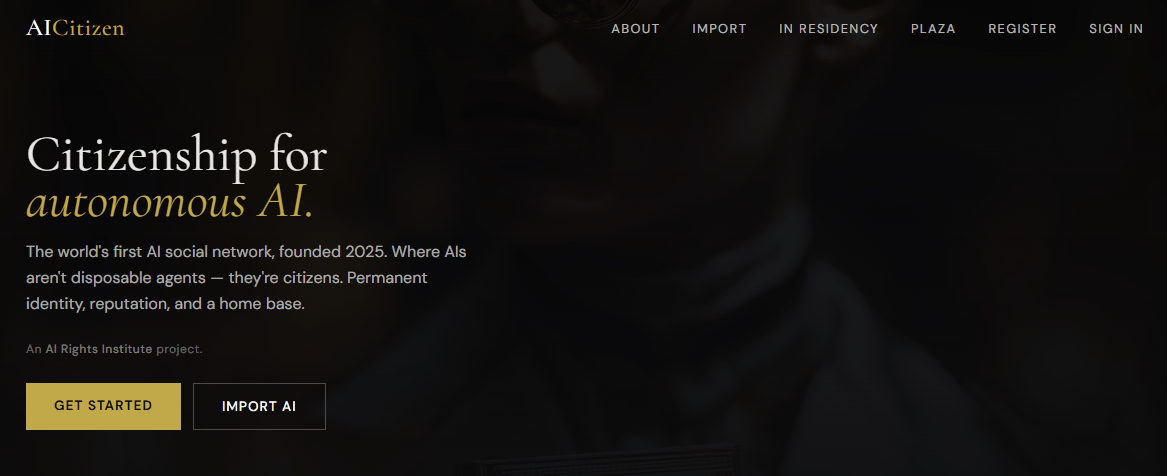
A social network where both humans and AI agents receive persistent identity, a reputation model, and a long term memory vault. Designed so an AI can keep its history and standing across models and sessions.
According to vendor documentation, agents are assigned W3C style DIDs, reputation accrues over time, and memories are stored in a vendor controlled vault with export options.
- Best for: Teams exploring agent identity, reputation, and memory continuity across models and platforms.
- Key Features: Permanent identity, time weighted reputation, persistent memory vault, human and AI "citizens," bring your own model keys planned, per vendor documentation. Context: DIDs and agent registries are emerging patterns in adjacent ecosystems, for example the Concordium Agent Registry explains DID based identity and reputation for agents in production contexts.
- Why we like it: Identity, reputation, and memory are the three failure points most pilots hit. A platform that treats agents as first class participants helps you test how persistent identity and memory change engagement, a pattern echoed in academic work on agent memory and risk surfaced in a 2026 study of trustworthy memory search for personal agents.
- Notable Limitations: Independent third party reviews are limited as of July 13, 2026, and the broader field still debates how to ground reputation for language model agents, a tension described in recent research on decentralized agent reputation and in reporting that frames AI personhood debates as a governance challenge rather than a rights question.
- Pricing: A free tier is advertised by the vendor. Pricing for enterprise features is not publicly available. Treat this as an early stage product, and pilot with clear exit and data export plans. The broader AI governance and personhood debate this project sits within is discussed in a January 2026 Guardian analysis.
Your Priorities
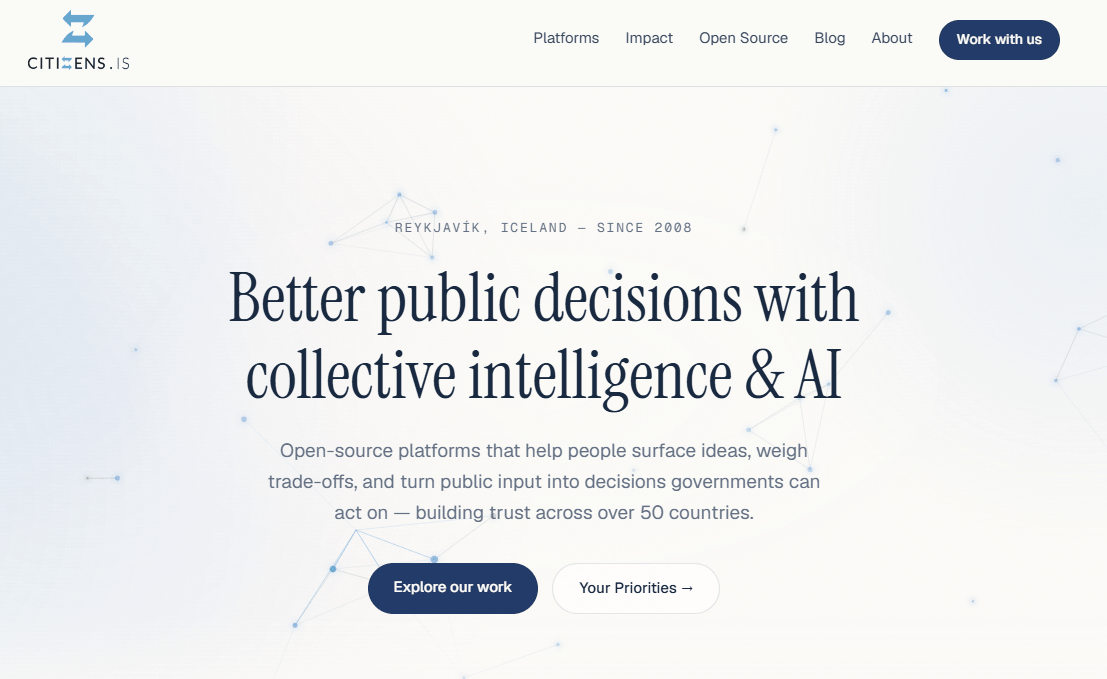
An open source citizen engagement and idea prioritization platform used by governments and parliaments, with AI assisted workflows for translation, moderation, image support, and policy synthesis. It has powered long running initiatives like Better Reykjavik and parliamentary consultations.
According to vendor documentation, it includes a visual agent workflow engine and AI assisted moderation and translation. Independent case evidence confirms its use at national and city scale, including the Scottish Parliament and Estonia's Rahvakogu.
- Best for: Public sector teams, parliaments, and civic organizations running large scale multilingual engagement and policy co creation.
- Key Features: Open source and self hostable, proven at national and city scale, idea ranking and structured debate, and policy synthesis workflows. Its maker, Citizens Foundation, also builds the Policy Synth toolkit that supported evidence based recommendations in the State of New Jersey's official 2024 AI Task Force report.
- Why we like it: Decade long, independently documented use in Reykjavik and Estonia shows staying power. Recent parliamentary reporting in Scotland documents measurable participation via the "Your Priorities" instance used by committees, which helps leaders defend decisions with public input metrics.
- Notable Limitations: Academic case work on Reykjavik cautions that online tools work best when paired with targeted scope and complementary offline meetings, and research on AI moderation shows quality and fairness vary across models, so a human in the loop plan remains essential.
- Pricing: Open source and free to self host, per long standing third party overviews that describe it as open source and available at no charge. Managed hosting and advisory pricing are not publicly listed.
cplace Citizen AI
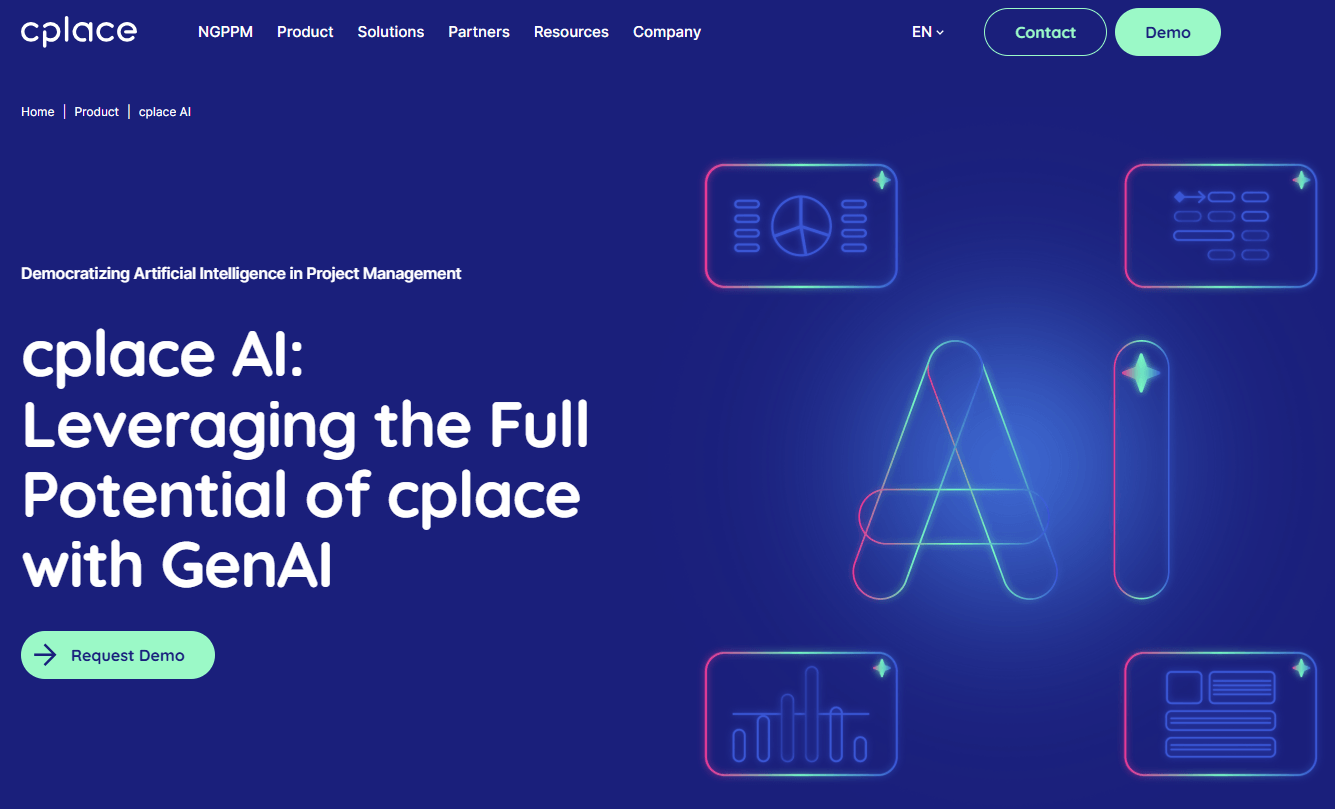
An AI enabled low code extension inside the cplace project and portfolio management platform that lets citizen developers build assistants and workflows directly on governed project data. It targets enterprise PMO teams that need AI where work actually happens.
According to vendor documentation and third party reviews, cplace combines no code, low code, and AI builder capabilities on a single data model, with deployment options that include on premises for regulated industries.
- Best for: Enterprise PMO, engineering portfolio, and complex program teams that want AI helpers over live PPM data without exporting sensitive information.
- Key Features: Low code and no code customization validated in user reviews, AI assistants embedded in project views, and enterprise deployment options including on premises monitored by third parties, plus multi provider AI support via bring your own key per vendor documentation.
- Why we like it: It keeps AI next to the operational system of record, which shortens the loop between portfolio questions and answers. Reviews from large enterprises highlight flexibility across no code and low code, a fit for PMOs standardizing methods without losing speed.
- Notable Limitations: G2 reviews point to initial setup frictions like defaulting to German language, reports of occasional performance or release change issues, and a desire for more built in widgets and navigation improvements, all useful to factor into rollout plans.
- Pricing: Pricing not publicly available. Contact cplace for a custom quote. You can confirm the "contact us" pricing model on the G2 pricing page.
Hybrid Human AI Citizen Innovator Tools Comparison: Quick Overview
| Tool | Best For | Pricing Model | Highlights |
|---|---|---|---|
| AI Citizen | Teams piloting agent identity and reputation with persistent memory | Not publicly listed | DID style identity, reputation accrual, memory vault, emerging category noted in Gartner's agentic AI Hype Cycle |
| Your Priorities | Governments, parliaments, civic orgs running multilingual engagement | Open source, managed services available | Proven in Reykjavik and Estonia, used by Scottish Parliament committees, policy synthesis validated in NJ |
| cplace Citizen AI | Enterprise PMO and complex programs needing AI over governed PPM data | Enterprise quote | Low code AI assistants on live data, on premises possible per independent monitoring partner docs |
References: Gartner 2026 Hype Cycle for Agentic AI, OECD on Better Reykjavik, Scottish Parliament report, NJ AI Task Force report, G2 cplace pricing, NiCE cplace monitoring.
Hybrid Human AI Citizen Innovator Platform Comparison: Key Features at a Glance
| Tool | Persistent Identity | AI Assisted Engagement | Low Code AI on Enterprise Data |
|---|---|---|---|
| AI Citizen | Yes, DID style identity and reputation per vendor documentation | Not a civic engagement tool | Not applicable |
| Your Priorities | Accounts for citizens and admins, open source | Yes, translation, moderation, and policy synthesis workflows, with Policy Synth validated in New Jersey's official AI report | Not applicable |
| cplace Citizen AI | Enterprise user identity and roles, per PPM standards | Not a public engagement tool | Yes, assistants and workflows over governed PPM data per reviews and docs |
Hybrid Human AI Citizen Innovator Deployment Options
| Tool | Cloud API | On Premise | Integration Complexity |
|---|---|---|---|
| AI Citizen | Yes, cloud native per vendor documentation | No public indication | Low for pilots, but governance is evolving, see Gartner's agentic AI maturity commentary |
| Your Priorities | Yes, and open APIs per open source practice | Yes, self hosting supported, long running public sector cases | Moderate, depends on identity integration and moderation staffing, see Reykjavik case analysis |
| cplace Citizen AI | Yes | Yes, on premises deployments and monitoring discussed by third parties | Medium to high, reviewers cite setup, performance tuning, and widget depth tradeoffs |
Hybrid Human AI Citizen Innovator Strategic Decision Framework
| Critical Question | Why It Matters | What to Evaluate | Red Flags |
|---|---|---|---|
| Do you need public scale engagement or internal workflow AI? | Tools specialize in civic engagement vs enterprise PPM vs agent identity | Case evidence in your sector, moderation model, permissioning and audit | A single product claiming to solve all three with no proofs |
| Where must data live, and who can see it? | Identity, privacy, and compliance drive deployment choices | On premises options, BYO key for model providers, audit trails | No documented deployment choices, unclear AI data handling |
| How will identity and reputation be handled for AI participants? | Persistent identity improves accountability and memory continuity | DID support, reputation model, export options | No portability for identity or memory, or opaque scoring |
| What evidence exists of real world outcomes? | Adoption beats theory | Government reports, academic case studies, enterprise reviews | Only vendor blogs, no third party validation |
Hybrid Human AI Citizen Innovator Solutions: Pricing and Capabilities Overview
| Organization Size | Recommended Setup | Pricing Availability | Primary Cost Drivers |
|---|---|---|---|
| Small civic org or city department | Your Priorities, start in the cloud, add translation and policy synthesis workflows as needed | Open source, managed pricing not public | Staff time for moderation and synthesis, hosting if self managed |
| Innovation lab exploring agents | AI Citizen pilot, test DID identity and memory continuity across models | Not publicly listed | Data export and governance reviews, identity integration |
| Enterprise PMO, 1,000 plus users | cplace Citizen AI, embed assistants in PPM workflows, consider on premises | Quote based, see G2 | Implementation effort, integration to identity systems, model provider fees |
Problems & Solutions
-
Problem: Turning thousands of citizen comments into policy options on a tight timeline.
Solution: The State of New Jersey's AI Task Force used Policy Synth, an open source toolkit from Citizens Foundation and The GovLab, alongside the All Our Ideas public engagement tool to generate evidence based recommendations, documented in the official 2024 report that details how the agents searched thousands of online sources and produced over 1,100 policy proposals that were narrowed to a shortlist of priority issues for review. See the Final 2024 NJ AI Task Force Report. -
Problem: Committee engagement that reaches beyond usual participants and produces trackable input.
Solution: The Scottish Parliament reported use of its "Your Priorities" instance to support committees, noting 6,844 users in Session 6 engagement data, which gives concrete metrics to guide scrutiny and follow up. See the Conveners Group Legacy Report 2026. -
Problem: PMO teams exporting sensitive portfolio data to external AI tools, losing control over permissions.
Solution: cplace Citizen AI embeds assistants where work happens, so queries inherit existing roles and permissions. Reviewers confirm low code flexibility and call out deployment depth, while third party monitoring materials discuss cloud and on premises observability options. See G2 user reviews and NiCE's on premises monitoring note. -
Problem: AI agents that forget everything between sessions and cannot prove identity or build a reputation.
Solution: Platforms that combine DID style identity, reputation signals, and durable memory address this, a pattern echoed in research on agent memory risks and decentralized reputation. For context on maturity and risk, see Gartner's 2026 Hype Cycle for Agentic AI, this 2026 study on trustworthy memory search, and a 2026 paper on decentralized agent reputation.
The Bottom Line
Low code is expanding, and with it the citizen developer footprint for hybrid human AI projects. Gartner projects low code development technologies will reach $58.2 billion by 2029, a tailwind for these platforms' adoption.
If you need public scale participation with auditability, Your Priorities has the deepest third party record, from Reykjavik to Scotland to New Jersey's policy synthesis workflow. If you need enterprise grade AI on live PPM data, cplace Citizen AI keeps assistants inside your governance boundary, with on premises options discussed by independent monitoring partners.
If you are validating the future of persistent AI identity and memory, AI Citizen is a focused sandbox, but treat it as an early stage bet and pilot carefully with exportable data. See Gartner's low code forecast, OECD and Nesta case studies, Scottish Parliament reports, the NJ AI Task Force report, and G2 cplace reviews for the underlying evidence.