



The United Kingdom remains Europe's largest startup economy and the natural first stop for founders building on the continent. It ranks second globally in StartupBlink's Global Startup Ecosystem Index, behind only the United States, with close to 18,000 tracked startups and London anchoring roughly two thirds of national venture funding.
Capital returned at pace in 2026. British startups raised $17 billion in the first half of the year, the strongest six-month run since 2022, with artificial intelligence absorbing 74% of it and fintech, healthtech and climate tech taking most of the rest.
The support layer runs well beyond the capital. Cambridge and Oxford commercialise research through Cambridge Enterprise, Cambridge Innovation Capital and Oxford Science Enterprises, seed investors such as Seedcamp, LocalGlobe and Ada Ventures back companies at formation, and the Harwell space cluster, Manchester, Edinburgh and Bristol have each built specialist clusters of their own.
Government policy reinforces all of it. EIS and SEIS give investors substantial tax relief, Innovate UK distributes hundreds of millions in grants each year, and the state has moved directly into equity through five AI Growth Zones and a £500 million Sovereign AI Unit. Add world-ranked universities, English-language reach into US markets and a mature exit environment, and the pipeline stays full.
1. SugaROx

Year Founded: 2021
HQ: Harpenden, Hertfordshire, United Kingdom
Size: 1-50
Founders: Matthew Paul, Cara Griffiths and Ben Davis
![SugaROx]()
SugaROx is a spin-out from Rothamsted Research and the University of Oxford developing precision crop biostimulants. Its technology is based on trehalose-6-phosphate, a signalling molecule that directs how plants allocate carbon, delivered through a proprietary formulation that survives conventional farm spray equipment. Trials have pointed to yield gains in wheat from a single application, with promising early results on drought-stressed sorghum.
The Mosaic Company invested £2.5 million as part of SugaROx's ongoing Series A round, following an earlier stake that funded the move from laboratory to pilot production. The capital expands international field trials and generates the data needed for regulatory approval ahead of commercial launches in the UK, Europe and North America.
2. Lucida Medical

Year Founded: 2019
HQ: Cambridge, England, United Kingdom
Size: 1-50
Founders: Antony Rix and Evis Sala
![Lucida Medical]()
Lucida Medical is a University of Cambridge spin-out whose Prostate Intelligence software reads prostate MRI scans, marks suspicious lesions and generates risk scores for radiologists. Imaging volumes are rising faster than reporting capacity across the NHS, and in real-world studies the CE-marked device has shown sensitivity and specificity comparable to expert radiologists, helping teams prioritise high-risk cases and avoid unnecessary biopsies.
The company raised £8.7 million in a round led by IW Capital, with existing investors XTX Ventures and Macmillan Cancer Support participating. The funding extends its AI tools to cancers beyond the prostate and supports an application for US FDA approval.
3. Trent AI

Year Founded: 2025
HQ: London, England, United Kingdom
Size: 1-50
Founders: Eno Thereska, Neil Lawrence and Zhenwen Dai
![Trent AI]()
Trent AI secures AI agents across their lifecycle, using its own agents to do the work. One group hunts for exploits in customer-built agents, third-party tools and underlying infrastructure, a second ranks findings by severity, a third proposes remediation, and a fourth monitors how security posture changes over time. The founding team came out of AWS, Confluent, Spotify and the University of Cambridge, and the platform is built to catch chained exploits that conventional scanners, designed for static software, tend to miss.
Trent AI emerged from stealth in April 2026 with $13 million in seed funding led by LocalGlobe and Cambridge Innovation Capital, with angels from OpenAI, Spotify, Databricks, Stripe and AWS participating. The round funds engineering hires and customer growth against a backdrop where 74% of companies plan to deploy agentic AI within two years but only 21% report mature governance for it.
4. Spaceflux
Year Founded: 2022
HQ: London, England, United Kingdom
Size: 1-50
Founders: Marco Rocchetto and Marcel Debczynski
![Spaceflux]()
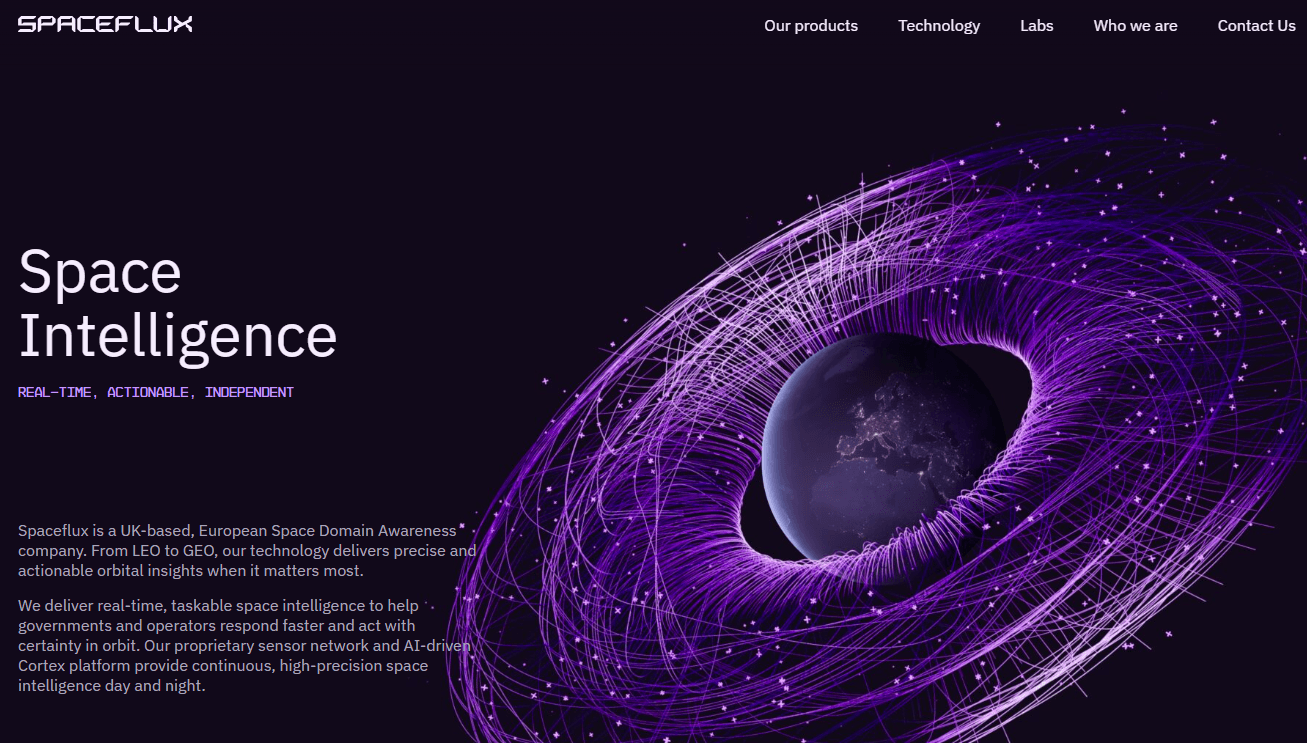
Spaceflux tracks satellites and debris using a global network of ground-based optical telescopes paired with its Cortex analytics platform. Its sensors combine visible and short-wave infrared imaging, which allows tracking in daylight and extends coverage to a genuine 24-hour service rather than night-time observation only. Early customers were the UK Space Agency and the Ministry of Defence, and the company now sells to satellite operators, insurers and government agencies internationally.
Spaceflux raised £5.4 million in a seed round co-led by the UK Innovation and Science Seed Fund, Foresight Group and Blackfinch Ventures, with Seraphim participating. The capital funds expansion of the telescope network and further development of its analytics, at a point when reports suggest a one-week satellite navigation outage could cost the UK economy £7.6 billion.
5. Forest
Year Founded: 2020
HQ: London, England, United Kingdom
Size: 200+
Founders: Agustin Guilisasti, Caroline Seton and Michael Stewart
![Forest]()
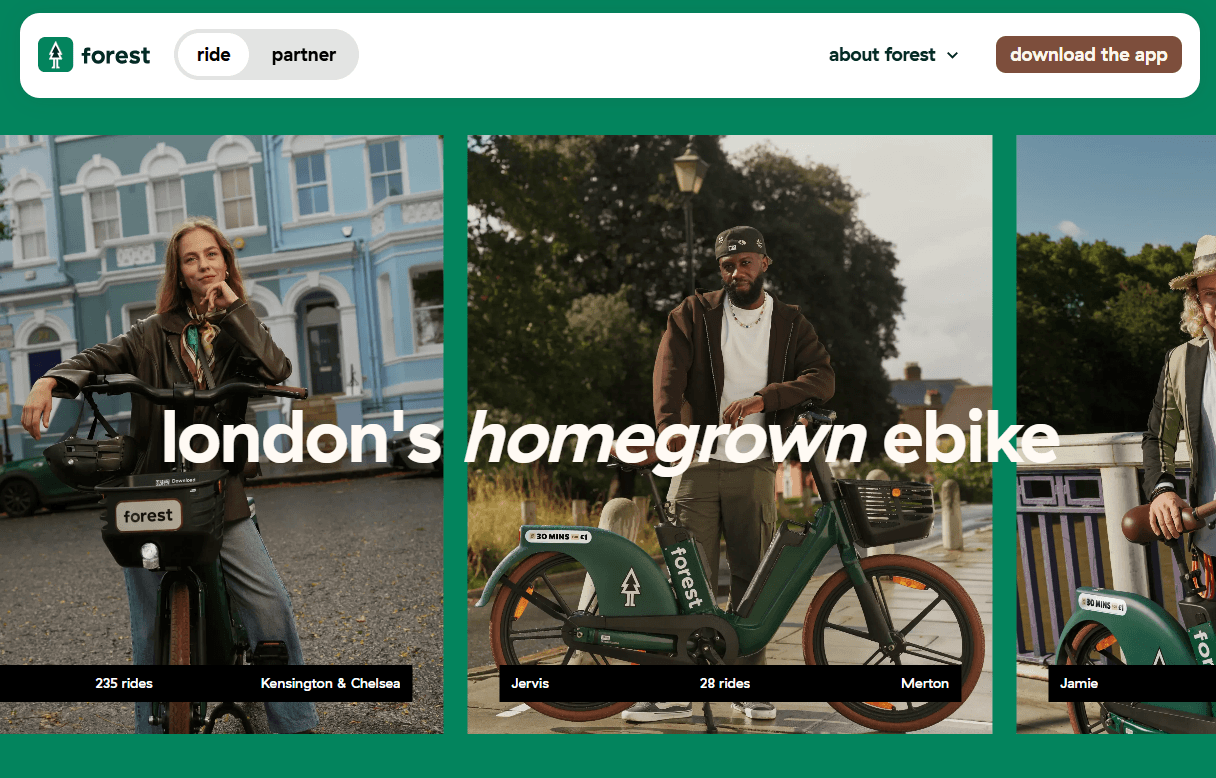
Forest runs London's shared e-bike network on an advertising-supported model that keeps rides cheap, offering users up to 30 minutes free each day. Every bike and service vehicle in the fleet runs on renewable energy, and the company introduced virtual parking bays before regulators required them. It operates across 18 boroughs, serves 1.5 million riders and completes close to two million rides a month, with year-on-year user growth of 100%.
Forest raised a further £27 million in April 2026, bringing total Series B funding to £40 million, combining fresh equity from B8 Venture Partners, Fen Ventures and Güil Mobility Ventures with asset-backed financing from Fintex Capital. As a deliberately single-city operator, it is reinvesting in fleet expansion, parking infrastructure and app safety features rather than pursuing new markets.
6. Meatly
Year Founded: 2022
HQ: London, England, United Kingdom
Size: 1-50
Founders: Owen Ensor and Helder Cruz
![Meatly]()
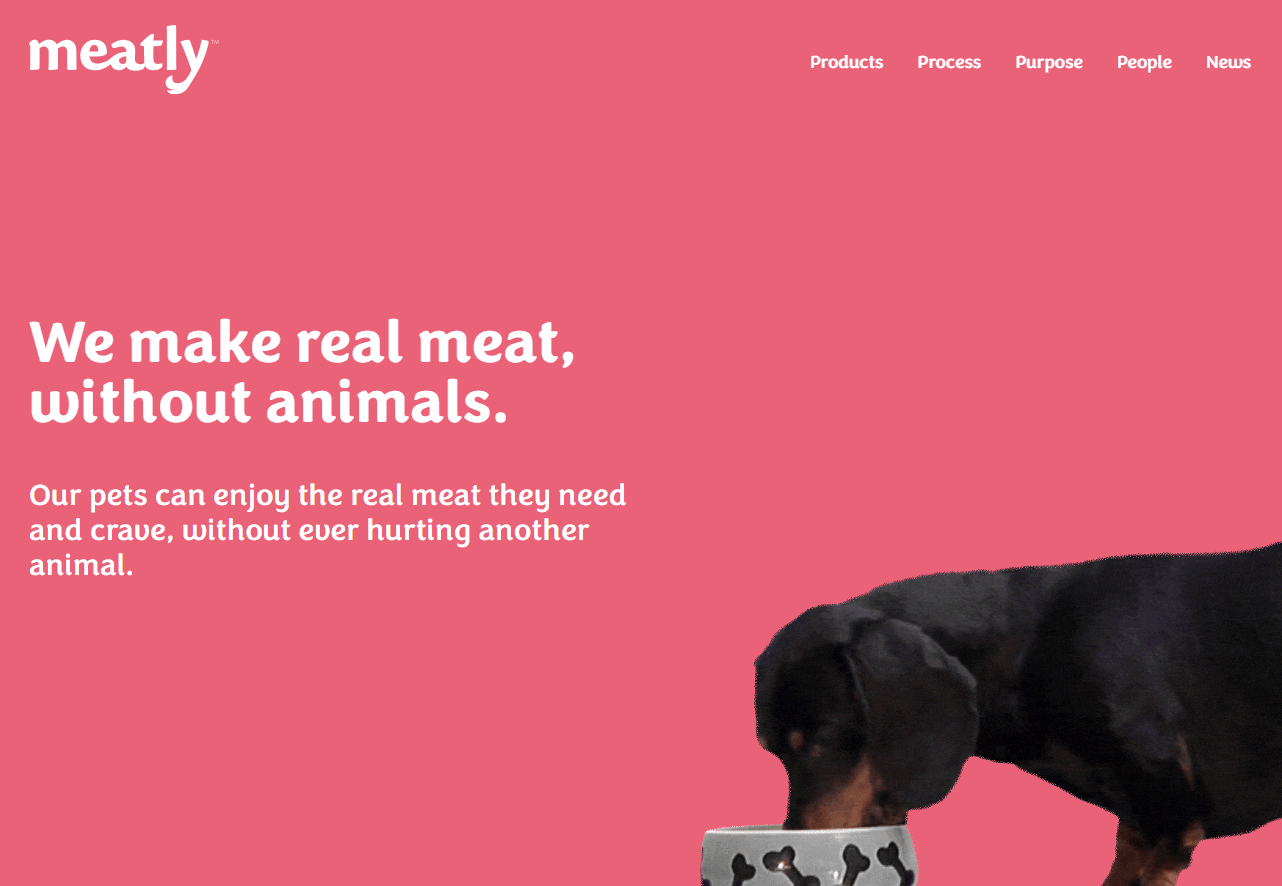
Meatly grows real chicken from animal cells for the pet food market, sidestepping the consumer regulatory bottleneck that has slowed cultivated meat elsewhere. The company has spent four years attacking cost rather than headlines, cutting its protein-free culture medium to £0.22 per litre and reducing bioreactor costs roughly tenfold by building its own. It received UK regulatory authorisation in 2024 and sold the world's first cultivated pet food in a commercial trial the following year.
Meatly closed a £10.4 million Series A led by three new institutional investors, Oyster Bay Venture Capital, Clean Growth Fund and JamJar Investments, alongside founding backers Agronomics and Pets at Home. The money funds a 20,000-litre bioreactor facility in London, expected to be Europe's largest, with product releases planned for 2027.
7. Archangel Lightworks

Year Founded: 2017
HQ: Oxford, England, United Kingdom
Size: 1-50
Founders: Richard Johanson, Owain Pryce-Jones and Dan Sola
![Archangel Lightworks]()
Archangel Lightworks builds laser communications infrastructure connecting satellites to ground networks, addressing what the industry calls the downlink deficit. Low-Earth orbit constellations now generate far more data than radio-frequency ground stations can bring down, constrained by spectrum availability and lower data rates. Its TERRA-M terminal is a miniature, rapidly deployable optical ground station offering gigabit-per-second links, with terabit capacity planned, and is harder to intercept or jam than radio.
The Harwell-founded company closed an oversubscribed Series A of over £10 million led by Santander Alternative Investments, with the National Security Strategic Investment Fund, Blackfinch Ventures, Oxford Capital, Lycka Limited and Oxford Science Enterprises taking part. The funding scales manufacturing in Oxfordshire and supports international expansion.
8. WaiV Robotics
Year Founded: 2023
HQ: London, England, United Kingdom
Size: 1-50
Founders: Johnny Carni
![WaiV Robotics]()
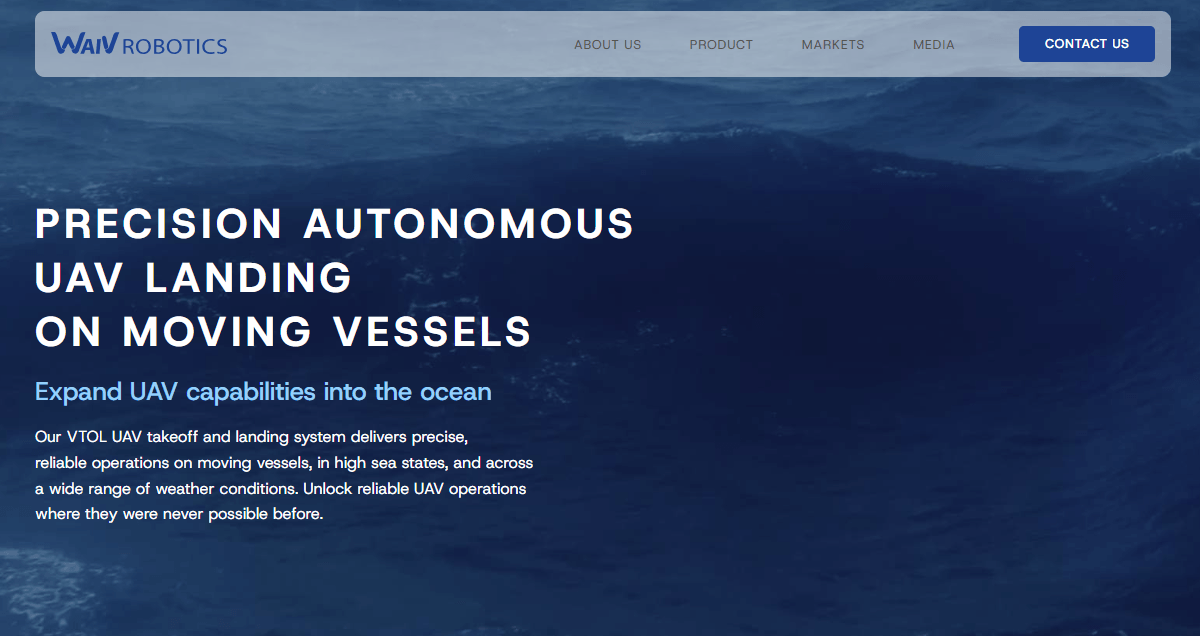
WaiV Robotics solves an unglamorous but blocking problem in maritime drone operations: landing. Vessel decks move through six degrees of freedom in open water and turn slippery with salt spray, so most operators simply avoid deploying drones from smaller boats. The company's gyro-stabilised platform uses a patent-pending catch-lock-release mechanism and predictive algorithms to recover vertical take-off and landing drones from vessels as small as 10 metres, without modifying the aircraft.
WaiV emerged from stealth in May 2026 with $7.5 million in seed funding raised ahead of its public launch. Target applications include offshore infrastructure inspection, windfarm maintenance, search and rescue, fisheries monitoring and defence, with support currently for drones up to 15 kg and plans for heavier classes.
9. Hypervision Surgical

Year Founded: 2020
HQ: London, England, United Kingdom
Size: 1-50
Founders: Michael Ebner, Tom Vercauteren, Jonathan Shapey and Sebastien Ourselin
![Hypervision Surgical]()
Hypervision Surgical is a King's College London spin-out bringing real-time hyperspectral imaging into the operating theatre. Surgeons still rely largely on visual assessment to judge tissue health, and the company's HYPERSNAP system measures blood oxygenation continuously without injected dyes, preserving natural colour while surfacing what the eye cannot see. The system is certified in the UK and cleared by the US FDA for open and minimally invasive general surgery.
The company closed an oversubscribed £17 million Series A led by Heal Capital, with Angelini Ventures, IP Group and Daycrest joining, plus follow-on investment from HERAN Partners, Redalpine, LifeX Ventures and ZEISS Ventures. Strategic backing came from SAGES Ingenuity and Macmillan Cancer Support, and the funding supports a next-generation spectral sensor being developed with imec.
10. Sona
Year Founded: 2021
HQ: London, England, United Kingdom
Size: 51-200
Founders: Steffen Wulff Petersen, Oli Johnson and Ben Dixon
![Sona]()
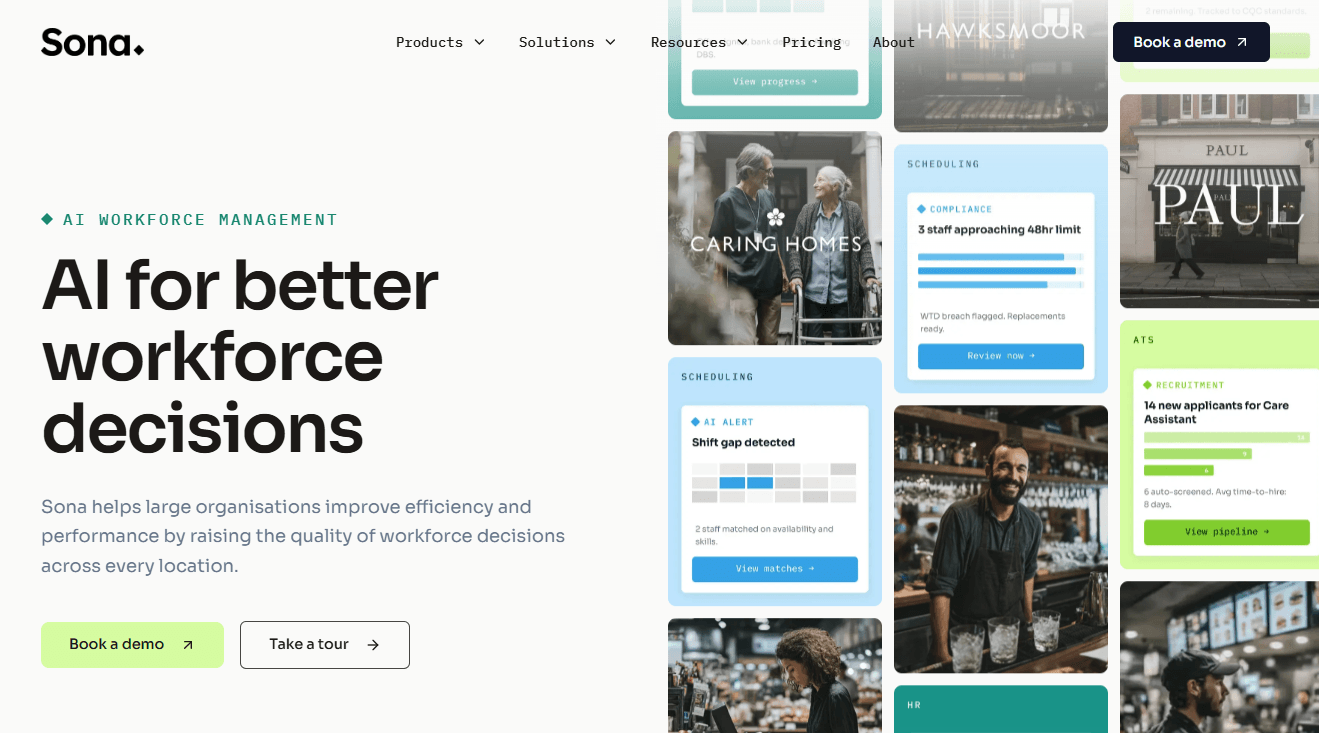
Sona builds workforce software for frontline employers in hospitality, care, retail and logistics, sectors that have historically been served by tools designed two decades ago for office staff. The platform combines scheduling, HR, payroll, time and attendance, compliance and business intelligence in one system, with forecasting that predicts staffing needs from demand patterns and real-time operational data. Customers include Popeyes and a range of care home and restaurant operators.
Sona raised $45 million in a Series B led by N47, with existing investors Felicis, Northzone, Gradient and Italian Founders Fund participating, taking total funding past $100 million. The round funds US expansion from a growing New York presence and development of collaborative AI agents on top of the core platform.
11. Clean Food Group
Year Founded: 2022
HQ: London, England, United Kingdom
Size: 1-50
Founders: Alex Neves, Tom Ellen, Ed McDermott and Chris Chuck
![Clean Food Group]()
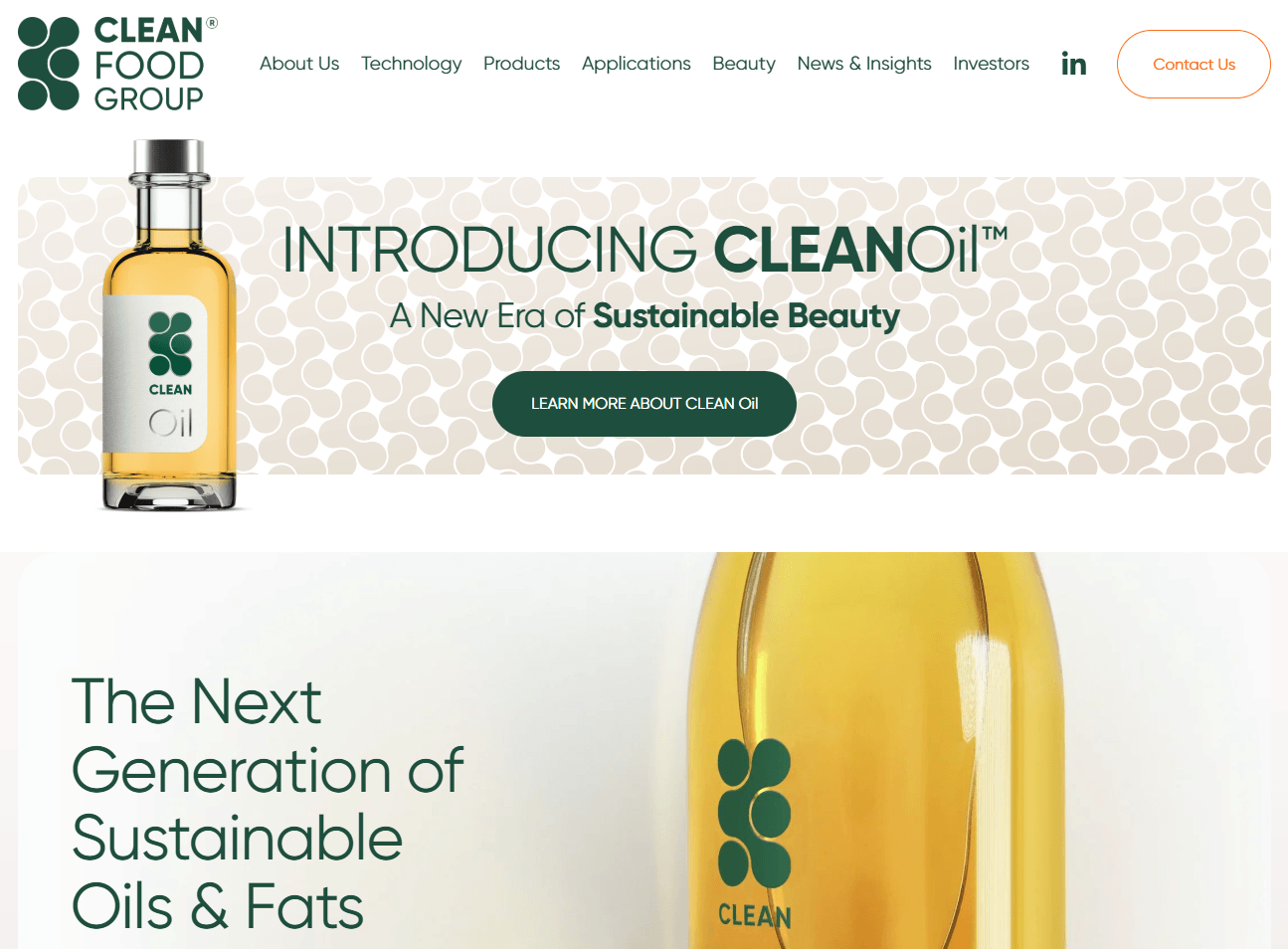
Clean Food Group makes oils and fats through fermentation, feeding non-GMO yeast strains on circular feedstocks such as surplus bread. The resulting CleanOil platform produces alternatives to palm and coconut oil and petroleum-derived mineral oils, with variants aimed at confectionery, bakery, dairy, pet food and personal care. The underlying science comes out of a decade of research led by co-founder Chris Chuck at the University of Bath.
The company raised £4.5 million led by Clean Growth Fund and New Agrarian, with Seed Innovations and Döhler Ventures participating, alongside a £700,000 non-dilutive grant from Innovate UK. The capital completes the scale-up of its Knowsley facility, which it expects to become the world's largest producer of yeast-derived oils and fats.
12. BioOrbit
Year Founded: 2023
HQ: London, England, United Kingdom
Size: 1-50
Founders: Katie King and Leonor Teles
![BioOrbit]()
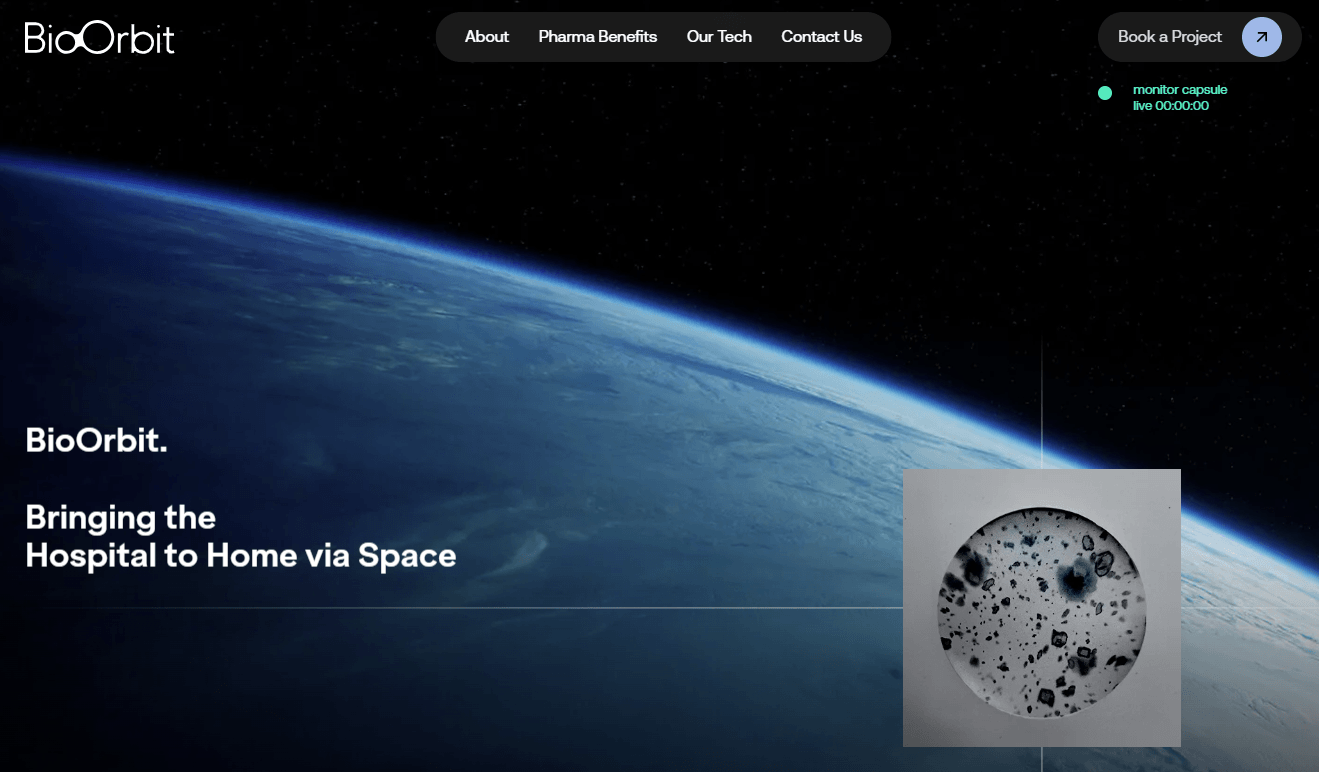
BioOrbit manufactures pharmaceutical crystals in low-Earth orbit, using microgravity to produce highly ordered protein structures that cannot be formed on Earth. The purpose is practical rather than exotic: around 70% of the highest-grossing drugs are administered intravenously in hospital, and better crystallisation could reformulate many of them as self-injectable treatments taken at home. Its BOX unit is a modular, autonomous manufacturing module roughly the size of a microwave, designed to be deployed in multiples as volumes grow.
The company raised £9.8 million in seed funding co-led by LocalGlobe and Breega, with Auxxo, Seedcamp, Type One Ventures, 7percent Ventures and angels participating, in what it describes as the largest seed round raised for in-space manufacturing. BioOrbit is opening a US East Coast office and working with the MHRA and the Regulatory Innovation Office on a regulatory pathway for orbital pharmaceutical production.
13. Gizmo

Year Founded: 2021
HQ: London, England, United Kingdom
Size: 1-50
Founders: Petros Christodoulou, Robin Jack and Paul Evangelou
![Gizmo]()
Gizmo turns notes, PDFs, slides and web links into flashcards, adaptive quizzes and gamified challenges, applying active recall and spaced repetition underneath a consumer app interface. The three Cambridge graduates behind it took the engagement mechanics of social media and pointed them at revision instead, adding social features so students can track progress against peers. The platform has reached more than 13 million learners in over 120 countries, largely through word of mouth.
Gizmo raised $22 million in a Series A led by Shine Capital, with Ada Ventures, Seek Investments, GSV and NFX participating, the last having led its earlier $3.5 million seed round. The money expands the engineering and AI team and funds a push into the US college market.
14. Barocal

Year Founded: 2019
HQ: Cambridge, England, United Kingdom
Size: 1-50
Founders: Xavier Moya and William Averdieck
![Barocal]()
Barocal is a University of Cambridge spin-out replacing the refrigerant gases at the heart of air conditioning and refrigeration with solid organic materials. Its barocaloric compounds heat and cool under pressure, which removes a category of high global warming potential gases and improves efficiency at the same time. Heating and cooling account for roughly 15% of annual global greenhouse gas emissions, a larger share than aviation, and demand for cooling is expected to triple by 2050.
The company raised a $10 million seed round from World Fund, Breakthrough Energy Discovery, Cambridge Enterprise Ventures and IP Group. Barocal is hiring senior technical and commercial staff to accelerate system development, with initial commercial focus on data centre cooling and refrigeration.
15. Kohort
Year Founded: 2018
HQ: London, England, United Kingdom
Size: 1-50
Founders: Dan Marcus and Jan Pickard
![Kohort]()
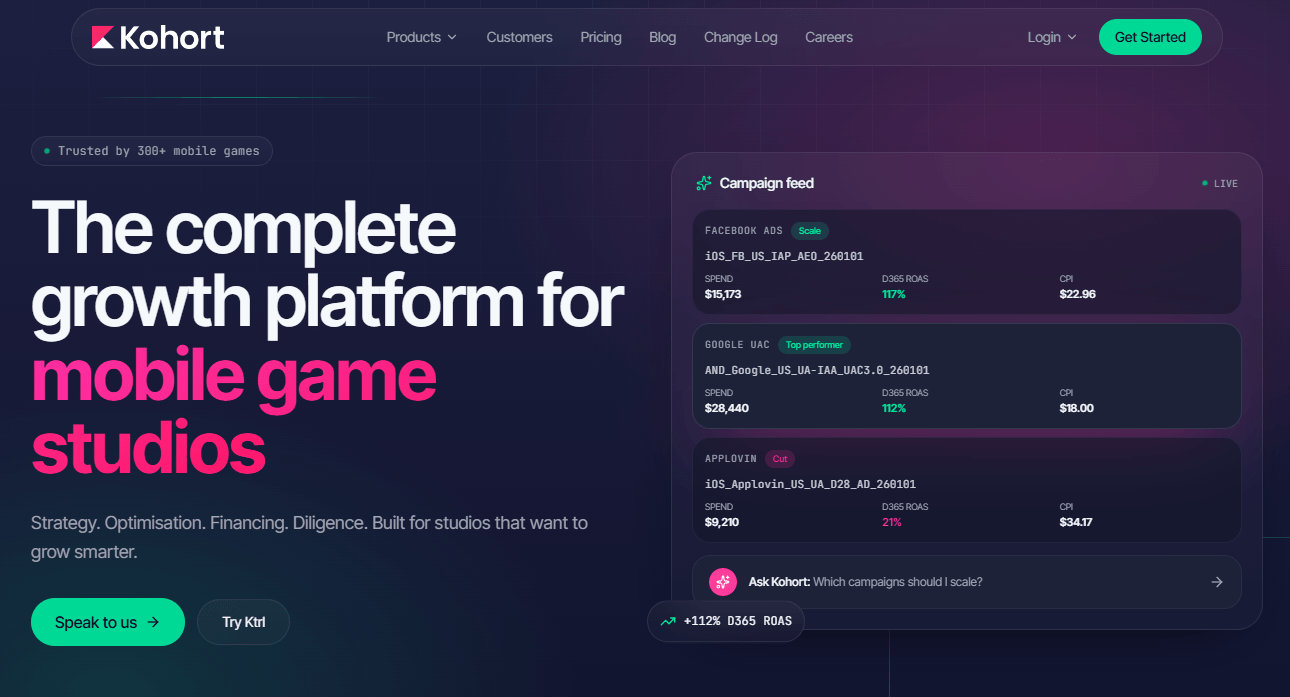
Kohort applies machine learning to cohort-based forecasting for mobile game studios, predicting lifetime value at campaign level so marketing teams can decide where to push spend and where to cut losses. User acquisition is typically the largest recurring cost in mobile gaming, and the company has extended from forecasting into a suite of agents that generate bidding strategies across ROAS, CPI and CPA campaigns. Private equity and venture investors also use the platform for diligence on gaming assets.
Kohort raised $7 million in a Series A led by The Raine Group, which had previously backed its seed round. The funding builds out the agent suite and the predictive infrastructure beneath it, with models trained on billions of dollars of historical user acquisition spend.
FAQs
1. What makes the UK an attractive location for startups?
The UK offers Europe's deepest pool of venture capital alongside tax incentives that materially lower the cost of early-stage investment.
- It ranks second globally in StartupBlink's Global Startup Ecosystem Index, behind only the United States.
- EIS gives investors 30% income tax relief and SEIS gives 50% on the earliest rounds, which sustains an unusually active angel market.
- Innovate UK grants and R&D tax credits provide non-dilutive funding for research-heavy companies.
- Oxford, Cambridge, Imperial and UCL run established technology transfer programmes that regularly produce fundable spin-outs.
- English-language commercial law and a time zone that overlaps both Asia and the US make transatlantic expansion straightforward.
2. Which sectors are strongest for British startups?
Fintech remains the largest sector by cumulative funding, but AI has become the dominant destination for new capital.
- AI companies took 74% of all UK venture funding deployed in the first half of 2026.
- Fintech benefits from London's position as a global financial centre and the FCA's regulatory sandbox.
- Life sciences and healthtech cluster around Cambridge, Oxford and London teaching hospitals, often as university spin-outs.
- Space and deep tech concentrate around the Harwell campus in Oxfordshire and the Cambridge cluster.
- Climate tech continues to grow on the back of the UK's net-zero commitments and mandatory disclosure requirements.
3. How many startups are there in the UK?
The UK has close to 18,000 tracked startups, with roughly 5,300 having raised institutional funding.
- London accounts for approximately 68% of national venture funding and the largest concentration of companies.
- Manchester, Edinburgh, Cambridge and Bristol together take a growing share, led by Manchester's B2B software cluster.
- The country has produced well over 100 unicorns, more than any other in Europe.
- Cambridge is the strongest cluster for deep tech and biotech relative to its size.
4. How fast is the UK startup industry growing?
Growth accelerated sharply in 2026, though the headline figures are concentrated in a small number of very large AI rounds.
- UK startups raised $17 billion in the first half of 2026, roughly double the same period a year earlier.
- The UK captured 39% of all European venture capital in that period, more than France, Germany and Sweden combined.
- Four UK companies each raised over $1 billion in the first half of 2026.
- Excluding those four rounds, the remaining 486 deals totalled just under $5 billion, close to flat year on year.
- Its ecosystem value grew 13.2% in the most recent StartupBlink index.