The case for clinical AI that knows when to forget
Gal built an AI scribe for therapists that never stores a second of audio. He thinks that restraint is the whole pitch.
 Gal SteinbergCo-founder, Twofold · June 2, 2026 · 4 min read
 Startup Stash Interviews
Privacy is the most undervalued feature in clinical AI.Gal SteinbergCo-founder, Twofold
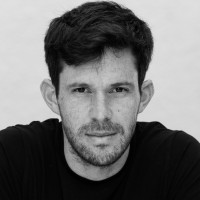
Twofold's co-founder explains why he refused to store a single second of audio while competitors treat recordings as training fuel, and what happens when privacy becomes a positioning strategy.
In this interview
Hi Gal! What is Twofold?
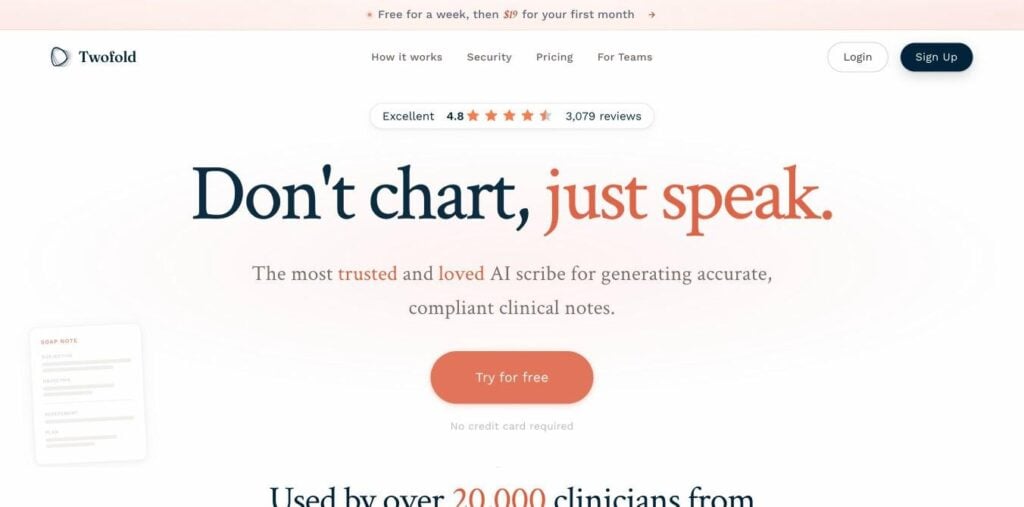
Twofold is an AI scribe built for therapists and small mental health practices. It listens to a session and turns it into a finished progress note in seconds, so clinicians stop charting at 11pm.
It’s a small team and a deliberately narrow product. Twofold does one thing well. That’s the whole pitch.
Why build an AI scribe specifically for therapists?
Because the big scribe tools were built for hospital systems and large medical groups, with the budgets and IT departments to match. Mental health language got treated as an afterthought.
Nobody was building for the solo therapist or the three-person practice, the people doing back-to-back sessions with no admin support. An AI scribe for therapy has to understand therapeutic alliance and process, not just symptoms and medications. So we built only for that.
Does Twofold store session recordings?
No. Twofold processes audio in real time and never writes the recording to a disk. We never use client data to train models, and data is encrypted in transit and at rest.
The note is the asset. The recording is just liability, so we throw it away. A scribe a clinician can’t trust is worse than no scribe at all.
Where your audio goes
Processed live, then gone for good
→
→
and the recording? We never:
store the audiotrain AI on it
HIPAA and HITECH compliant. BAA included at signup. Data handling documented at trytwofold.com.
How does an AI scribe for therapists actually work?
Three steps, and that’s on purpose. You run the session like normal, in person or over Zoom, Google Meet, Microsoft Teams, or Doxy.me. When you’re done, you tap End.
The note comes back in under 60 seconds, in whatever format you use: SOAP, DAP, BIRP, GIRP, or SIRP. You read it, fix anything that needs fixing, and paste it into any EHR. Setup takes about five minutes, and most people have their first note inside ten.
The AI writes the first draft. The clinician always reviews, and the judgment stays with the human. Style learning means it picks up your voice over time, so it reads like you, not like a template.
How Twofold works
Capture, generate, send
→
→
It learns your style, so the note reads like you wrote it.
How accurate are AI-generated therapy notes, and can clinicians trust them?
Treat the note as a strong first draft, not a final product. That framing is honest, and it’s also where the trust comes from.
Because Twofold is built only for mental health, it captures the clinical language correctly the first time. Catching an edit in a draft takes seconds. Rebuilding the whole note from memory at night takes the evening. Skepticism is the right starting position with clinical AI. Our job is to give clinicians less to be skeptical about.
Is an AI scribe worth it for a solo or small private practice?
A human scribe is an hourly cost most solo practices can’t carry, and they’re rarely an option for telehealth. That’s exactly the gap we built for.
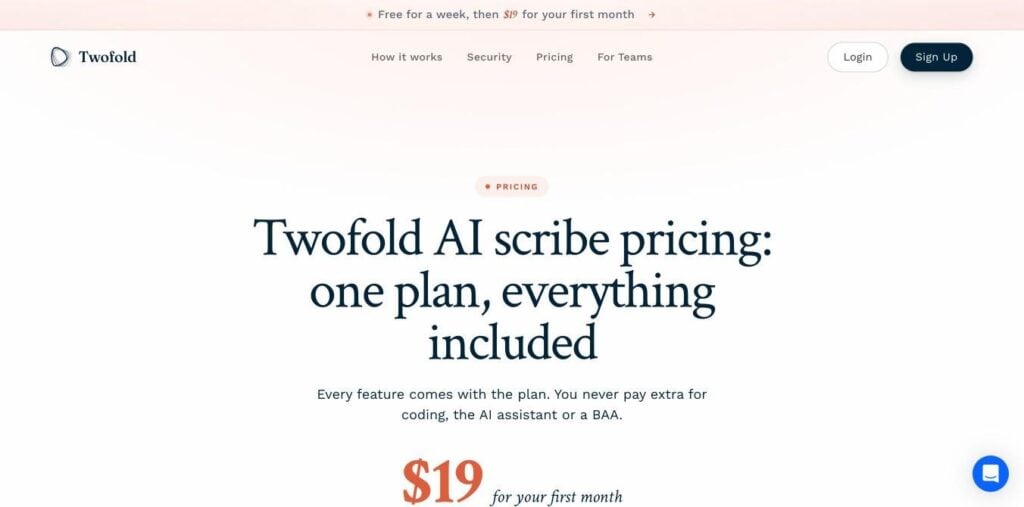
Twofold is $49 a month on the annual plan, with discounts for students, group practices, and non-profits. The real return isn’t the price. It’s the evenings you stop spending on charting.
Which channels actually bring in new clinicians?
Mostly word of mouth between clinicians, plus a slow content engine. Therapists talk to each other constantly.
When one of them stops dreading their notes, they tell three colleagues by Friday. We’d rather write something useful for that audience than buy ads at them.
What’s the goal?
Stay focused, keep it affordable for small practices, and build the best documentation tool in the category. I don’t want to be a platform, and I definitely don’t want to be an EHR.
Those are what you build when you’ve run out of better ideas for the core product. A therapist doesn’t want one more platform to manage. They want to close the laptop and go home.
At a glance
About the company
Twofold
trytwofold.com ↗AI scribe built only for therapists and small mental health practices.
- Category
- Clinical AI scribe for mental health
- Built for
- Solo therapists and small group practices
- Note formats
- SOAP, DAP, BIRP, GIRP, SIRP
- Privacy
- Audio is never stored. No client data used for training.
- Pricing
- $49/month on the annual plan
- Funding
- Bootstrapped
- Typical users
- Solo private-practice therapists
- Small mental health group practices (2–10 clinicians)
- Clinical social workers and psychologists doing back-to-back sessions
Interview conducted and condensed by the Startup Stash editors.
For founders and startup teams
Want your story on Startup Stash?
An interview, edited by our team to Startup Stash standards.
More interviews