Singapore has turned a city-state of under six million people into one of the most concentrated technology hubs anywhere, with the whole country effectively operating as a single startup cluster. It ranks fourth globally in StartupBlink's Global Startup Ecosystem Index, on an ecosystem value of roughly US$292 billion.
Momentum has held up through a selective funding market. Singapore-based companies raised US$6.23 billion across 86 equity rounds in the first half of 2026, with fintech, deep tech, artificial intelligence, healthtech, agrifood and climate technology absorbing most of it.
The support layer is unusually dense. The country hosts more than 4,500 tech startups, over 220 incubators, venture builders and accelerators, and more than 500 venture capital firms, including SGInnovate, Antler, Wavemaker Partners, NUS Enterprise and NTU's EcoLabs. The calendar centres on the Singapore Week of Innovation and Technology (SWITCH) and the SLINGSHOT deep tech competition, which reaches its tenth edition in October 2026.
Public capital does the rest. Research, Innovation and Enterprise 2030 commits S$21.9 billion over five years from April 2026, Startup SG Equity co-invests alongside private funds, and Temasek and its venture arms anchor later rounds. Add English-language commercial law, a research base built around NUS, NTU and A*STAR, and direct access to 600 million ASEAN consumers, and the case for basing a company here is largely settled.
1. Polybee
Year Founded: 2019
HQ: Singapore
Size: 1-50
Founders: Siddharth Jadhav
![Polybee]()
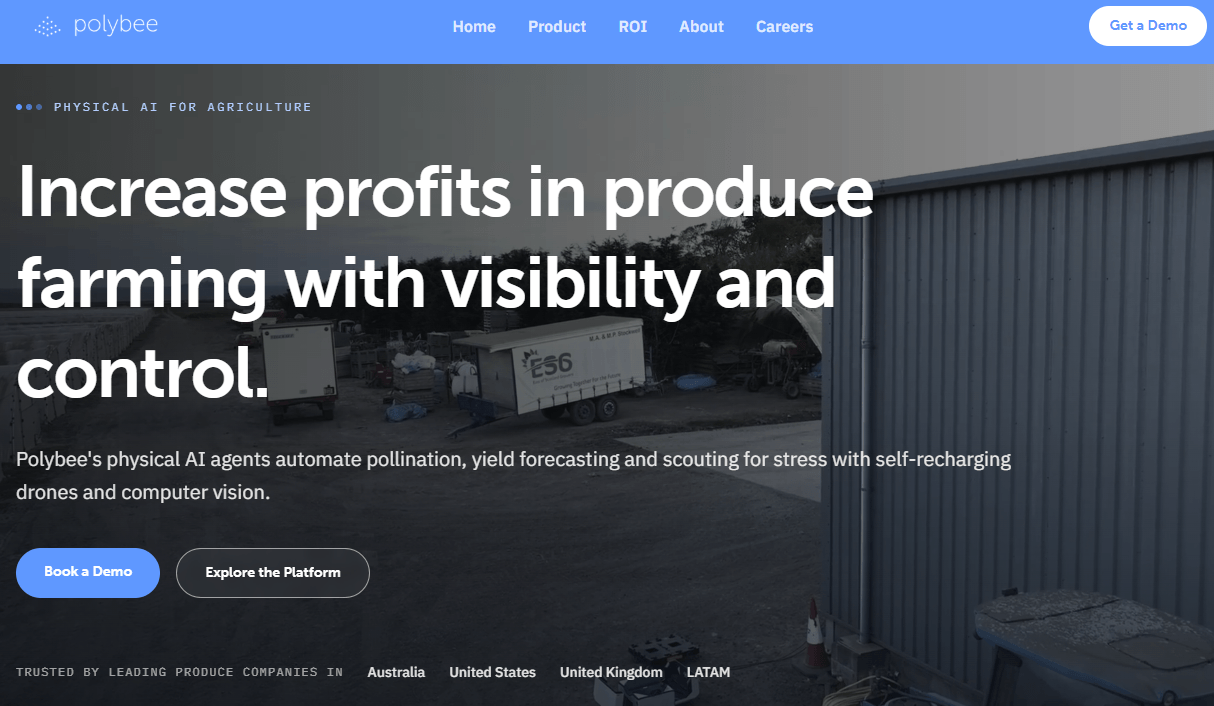
Polybee is a National University of Singapore spin-off that builds micro-drones for greenhouse and open-field agriculture. Its self-recharging drones carry cameras and computer vision models that track crop quality, ripeness and stress, then convert that data into yield forecasts and harvest timing recommendations. The same fleet performs contactless pollination using patented airflow technology, which removes the reliance on bumblebees for crops such as tomatoes, strawberries and blueberries.
The company raised $4.3 million in a seed round led by Paspalis Capital and elev8 VC, with participation from SEEDS Capital and strategic angels including Blue River Technology founder Jorge Heraud. Polybee already holds commercial contracts with growers in Australia, the United States and the United Kingdom, and is using the capital to expand coverage roughly fivefold to more than 4,000 acres.
2. HeyMax
Year Founded: 2023
HQ: Singapore
Size: 51-200
Founders: Joe Lu, Wang Ke, Jialu Zhong and Sean Dy
![HeyMax]()

HeyMax was started by four engineers who had built Meta's Singapore office, and it tackles a problem familiar to anyone in Asia with a wallet full of cards: rewards are fragmented and mostly go unclaimed. The platform consolidates earnings from more than 800 merchants into a single currency, Max Miles, which members redeem across airlines, hotels, loyalty programmes and gift cards. It has grown past 150,000 users and issues over 500 million Max Miles a year.
HeyMax raised US$11 million in a Series A led by Peak XV Partners, joined by Betatron Venture Group and existing backers January Capital and Tenity, with angel participation from Agoda co-founder Rob Rosenstein and former Visa Asia Pacific president David Lee. After acquiring Hong Kong fintech krip in 2025, the company is opening in Japan, Taiwan and Australia by the end of 2026.
3. pQCee
Year Founded: 2022
HQ: Singapore
Size: 1-50
Founders: Tan Teik Guan
![pQCee]()
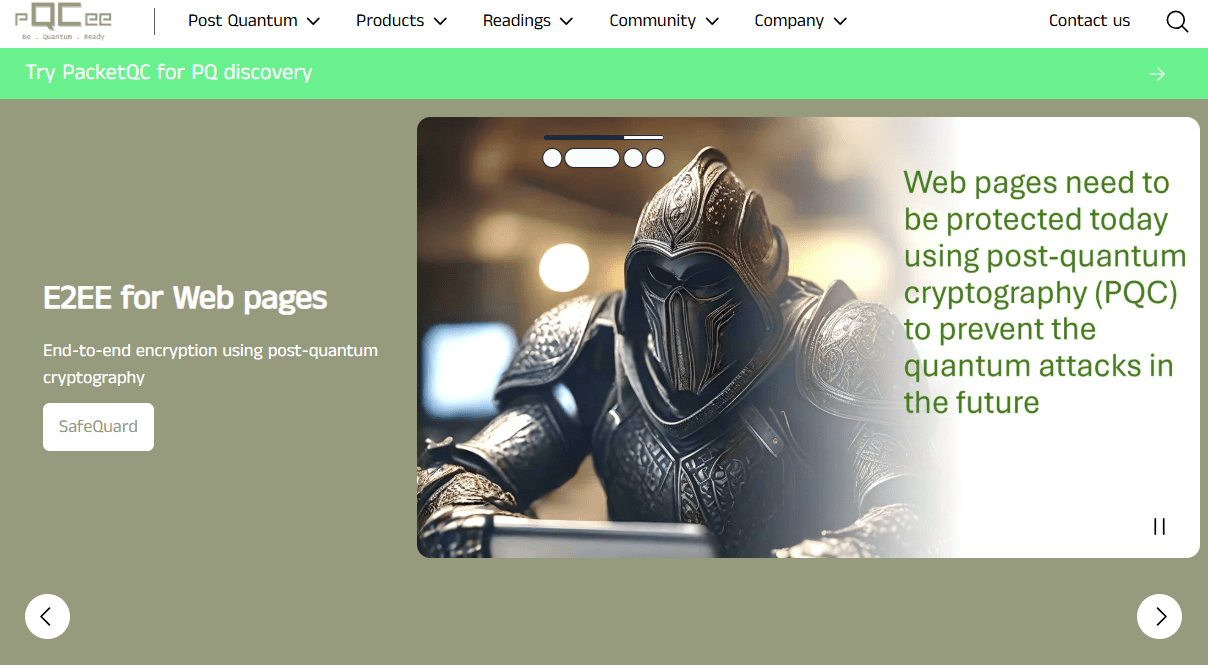
pQCee develops quantum-safe cybersecurity software for organisations that cannot afford to rebuild their encryption stack from scratch. Its flagship product, SafeQuard, is an end-to-end encryption layer designed to counter harvest-now-decrypt-later attacks, where encrypted data is stolen today and held until quantum computers can break it. A second product, QKDLite, is key-management middleware that connects hardware security modules and enterprise systems to quantum key distribution networks across standards including PKCS#11 and FIPS 203.
In July 2026 the company closed US$3.9 million in seed funding co-led by SGInnovate and Lotus One Investment, with In Group Holdings, Wavemaker Ventures, SUTD Venture Holdings and Apsara Investments joining. The money funds engineering hires in Singapore and market entry into the United States, Europe and the Middle East, where regulators are setting post-quantum migration deadlines as early as 2030.
4. Amperesand
Year Founded: 2023
HQ: Singapore
Size: 51-200
Founders: Brian Dow, Anshuman Tripathi and Sriram Vaisambhayana
![Amperesand]()
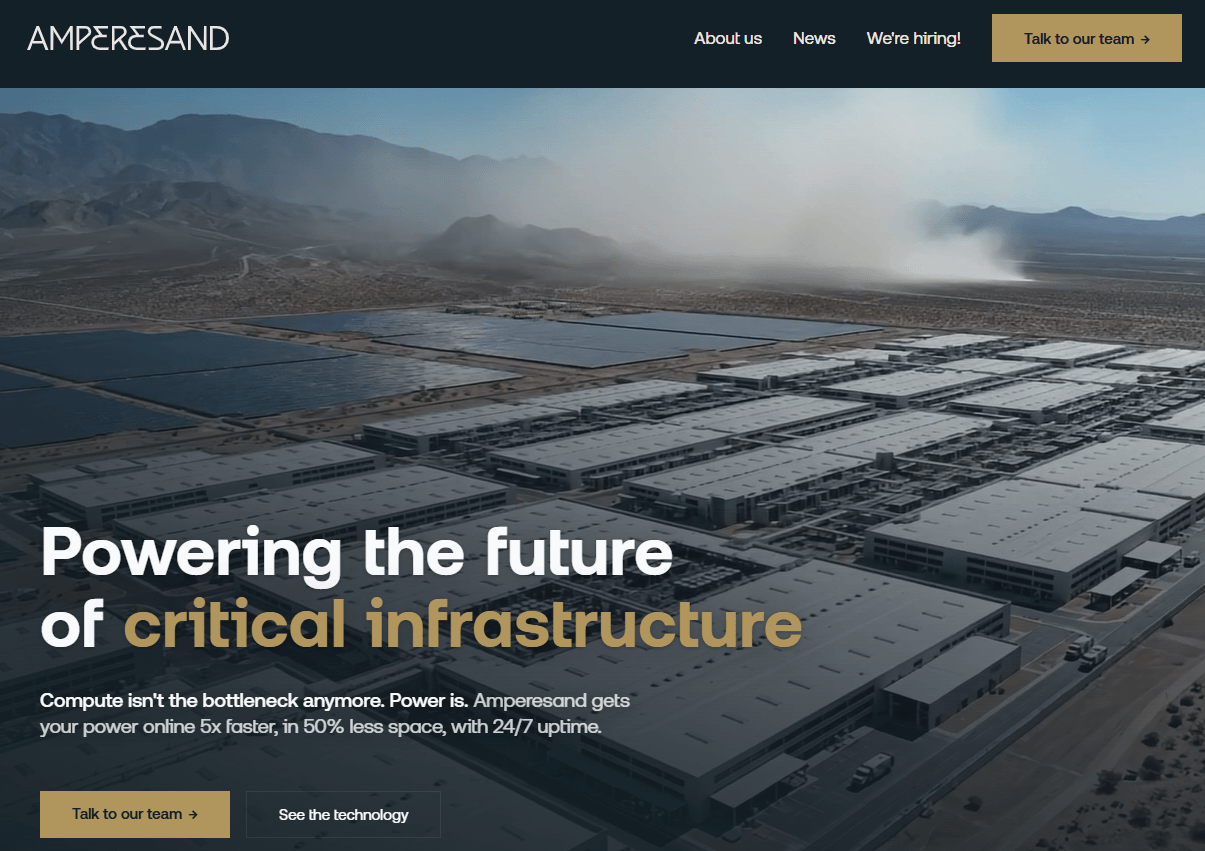
Amperesand spun out of Nanyang Technological University with silicon carbide solid-state transformers built for AI data centres, defence sites and megawatt charging. Its medium-voltage platform converts utility distribution power straight to the DC bus voltage that accelerator racks need, cutting out one or two conversion stages and shrinking the physical footprint. That matters because lead times for conventional transformers and switchgear have stretched to between 12 and 24 months.
The company closed an oversubscribed $80 million Series A co-led by Walden Catalyst Ventures and Temasek, with Industry Ventures, Acclimate Ventures, SG Growth Capital, Xora Innovation, Material Impact, TDK Ventures and Foothill Ventures joining. Amperesand plans to ship 30 megawatts of commercial systems in 2026, starting with a charging pilot at the Port of Singapore alongside PSA International.
5. Cata
Year Founded: 2025
HQ: Singapore
Size: 1-50
Founders: David Brunier
![Cata]()

Cata gives food, beverage and retail operators the kind of branded consumer app that used to be the preserve of Starbucks or McDonald's. Its white-label platform bundles mobile ordering, payments, loyalty, promotions, CRM and customer analytics into one system that a chain can launch within days, reducing dependence on delivery aggregators that own the customer relationship. Guzman y Gomez runs the platform across all 23 of its Singapore outlets.
Less than a year after launch, Cata closed an oversubscribed $5.3 million seed round led by Portage, with White Star Capital, 468 Capital, FoodLabs, FJ Labs, Rally Cap and Iterative participating. The money funds AI features and an international push beyond Southeast Asia.
6. Respiree
Year Founded: 2018
HQ: Singapore
Size: 51-200
Founders: Gurpreet Singh
![Respiree]()

Respiree is an A*STAR spin-off that pairs wearable cardio-respiratory sensors with AI models to catch patient deterioration before it becomes an emergency. Its 1Bio platform combines sensor readings with electronic health record data to track disease progression, and Singapore's Health Sciences Authority has cleared its 1Bio AI-Acute toolbox as the country's first AI-powered alternative to a conventional inpatient early warning score. The sensors carry FDA clearance, a CE mark and Australian TGA approval.
Respiree raised $11.6 million in a Series A led by We Venture Capital and ClavystBio, with Adaptive Capital Partners, the Mayo Foundation for Medical Research, Greenwillow Capital Management, Seeds Capital and she1K taking part. The company is establishing a United States base at the Texas Medical Center Innovation hub in Houston and running pilots with Roche Diagnostics across Asia Pacific.
7. LightSpeed Photonics
Year Founded: 2021
HQ: Singapore
Size: 1-50
Founders: Rohin Yeluripati and Ramana Pamidighantam
![LightSpeed Photonics]()
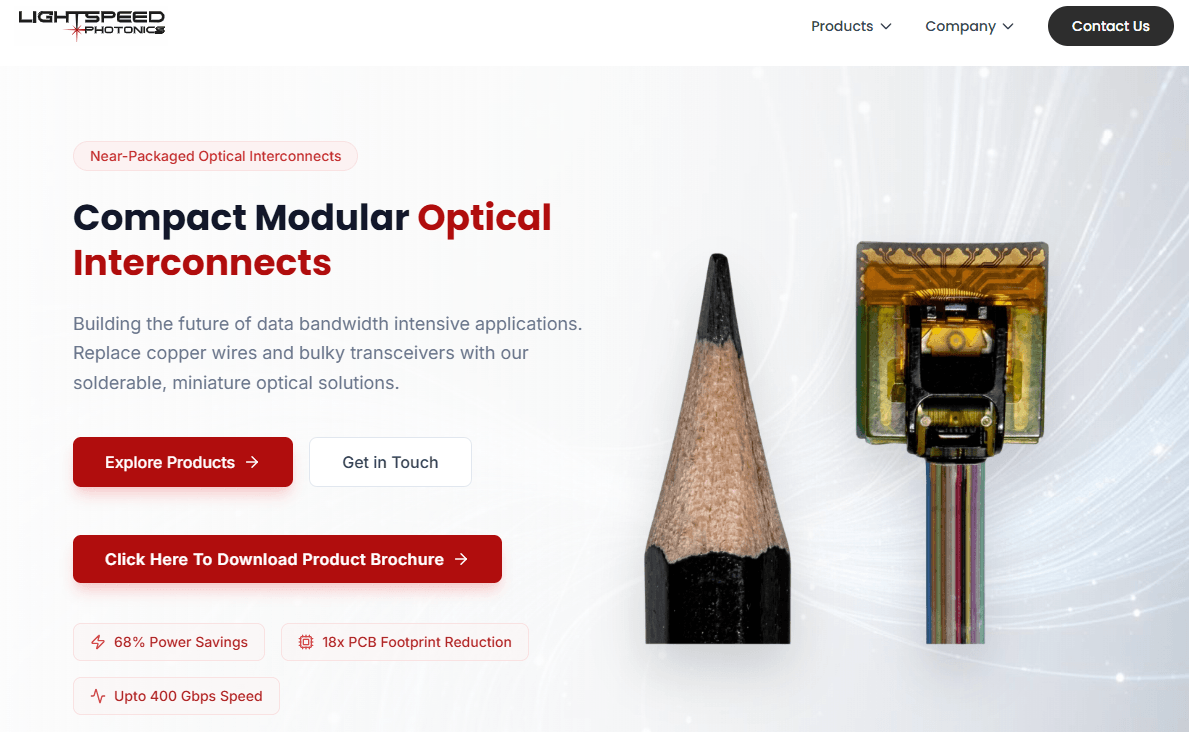
LightSpeed Photonics builds optical interconnects that move data between high-performance processors using short-wavelength lasers rather than conventional electrical links. As AI training clusters grow, data movement rather than compute has become the bottleneck, and the company claims its near-packaged optics deliver up to four times the speed at half the power without forcing customers into a costly system redesign. It runs as a fabless business, manufacturing through outsourced assembly and test partners in Singapore.
The company raised $6.5 million in a pre-Series A round led by pi Ventures, with 500 Global, India Accelerator, 8X Ventures, Java Capital and Bay Area angels taking part, bringing total funding to roughly $8.5 million including grants. LightSpeed is running pilot engagements with OEMs and system builders and plans a dedicated research and development facility to shorten prototype turnaround.
8. Tazapay
Year Founded: 2020
HQ: Singapore
Size: 200+
Founders: Rahul Shinghal, Saroj Mishra and Arul Kumaravel
![Tazapay]()
Tazapay builds cross-border payment infrastructure for businesses operating in emerging markets, covering local collections, payouts, cards and virtual accounts across more than 70 markets. Its pitch is regulatory rather than purely technical: the company holds licences in Singapore, Canada, Australia and the United States, with applications underway in the UAE, the EU and Hong Kong, which lets customers reach difficult corridors through a single entity. Revenue has doubled for three consecutive years and the platform now serves over 1,000 enterprises.
In March 2026 Tazapay closed a Series B extension led by Circle Ventures that brought the round to $36 million, with CMT Digital and Coinbase Ventures joining Peak XV Partners, GMO Venture Partners and January Capital. The funding supports digital settlement rails designed to replace slower legacy banking infrastructure.
9. HYDGEN
Year Founded: 2024
HQ: Singapore
Size: 1-50
Founders: Manippady Krishna Kumar and Goutam Kumar Dalapati
![HYDGEN]()
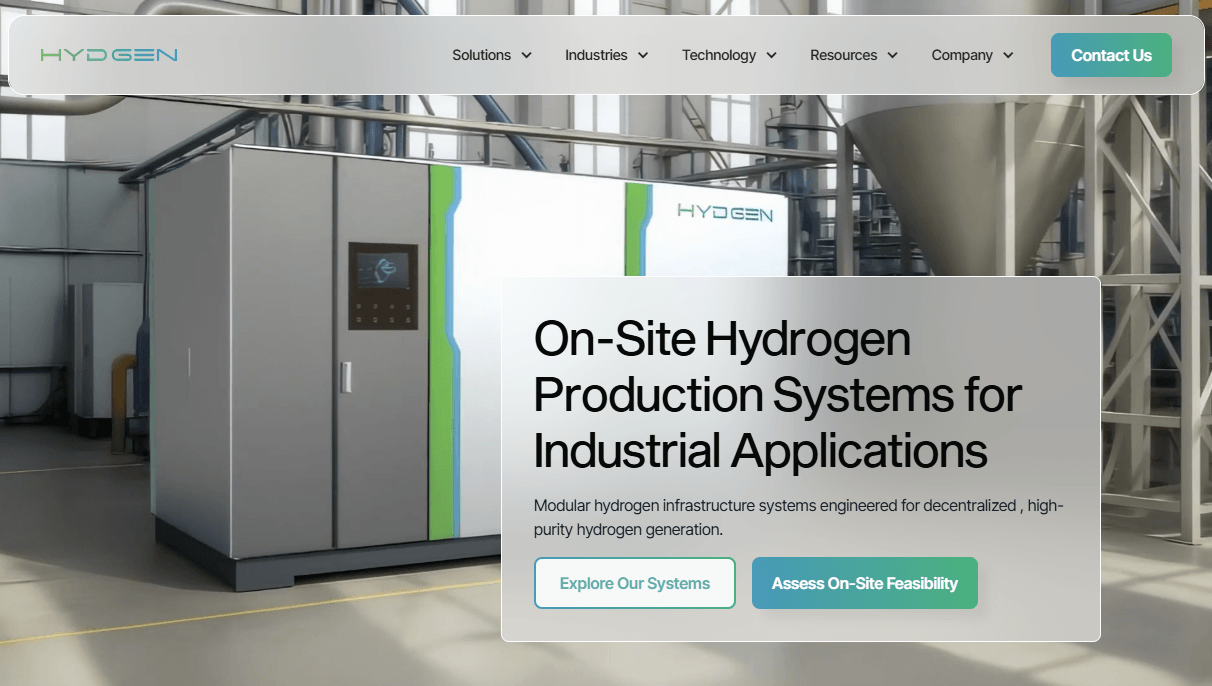
HYDGEN is an NUS spin-off producing anion exchange membrane electrolysers that let industrial sites make their own hydrogen on demand. The design avoids the rare earth metals used in proton exchange membrane systems and keeps a compact, modular footprint, which suits chemicals, glass, steel, semiconductor and mobility customers that currently truck in hydrogen at unpredictable cost. The founding team came through the NUS Graduate Research Innovation Programme with prior research backgrounds at A*STAR.
Following an initial seed round in early 2025, HYDGEN raised US$5 million in a combined equity and debt round led by Transition VC, with Cloudberry Pioneer Investments, Moringa Ventures and family offices in India and Singapore participating. The company has run pilot deployments across India, Singapore and Southeast Asia, several of which have since moved to commercial scale.
10. Botsync
Year Founded: 2017
HQ: Singapore
Size: 51-200
Founders: Rahul Nambiar, Prashant Trivedi, Nikhil Venkatesh and Singaram Venkatachalam
![Botsync]()
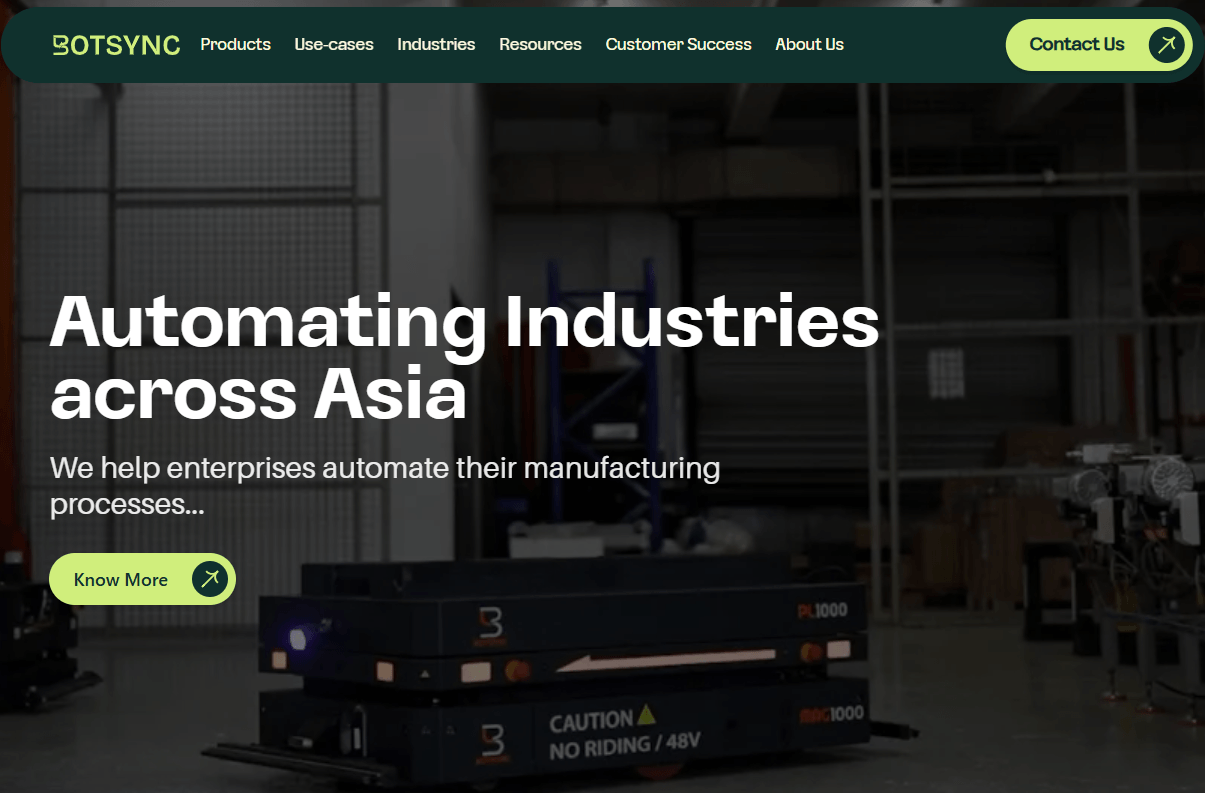
Botsync was founded by four roboticists at Nanyang Technological University and now builds heavy-duty autonomous mobile robots alongside SyncOS, a no-code platform that orchestrates fleets from multiple vendors. That vendor-agnostic layer is the differentiator, since most factories end up with robots and automation systems from several suppliers that will not talk to each other. Deployments include Ford, Caterpillar, Nestlé and Coca-Cola, and the company passed one million live production trips in 2025.
SGInnovate invested in an extended Series A round in January 2026, following reported revenue growth of 230% over the preceding year. The capital funds deeper AI analytics in SyncOS, higher throughput for its MAG robots, and expansion across Southeast Asia and India while partnerships open Australia, New Zealand and the United States.
11. decube
Year Founded: 2022
HQ: Singapore
Size: 1-50
Founders: Jatin Solanki
![decube]()

decube sells a data trust and context platform aimed at enterprises trying to put AI into production without inheriting years of messy data. The product pulls lineage, metadata, quality signals and access controls into one layer, so teams can see where a figure originated, how it was transformed and who owns it. Customers are concentrated in regulated sectors, including regional banks, financial institutions, telcos and large corporates.
In January 2026 decube raised US$3 million in a round led by Taiwania Hive Ventures, with Iterative, 500 Global, Orvel Ventures and First Move Fund joining, taking total funding to US$5 million. The capital goes into product depth, regional partnerships and enterprise deployments across Asia Pacific.
12. myFirst
Year Founded: 2018
HQ: Singapore
Size: 51-200
Founders: G-Jay Yong and Brian Tan
![myFirst]()
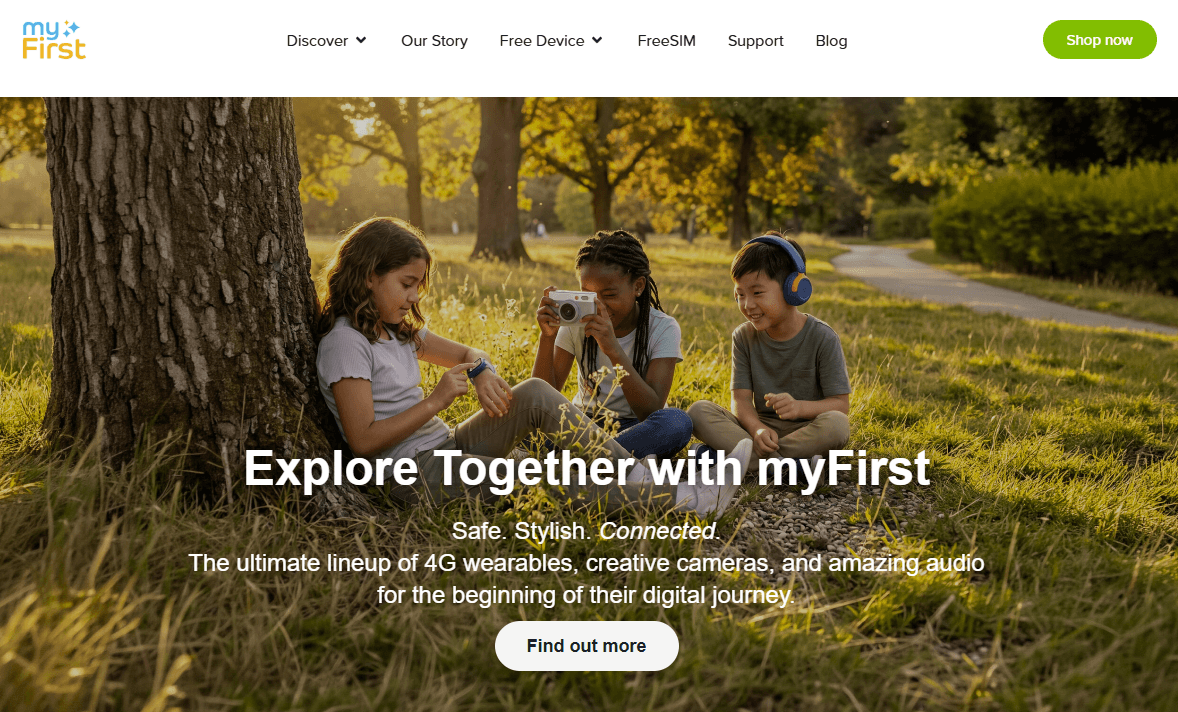
myFirst designs consumer electronics for children rather than shrinking adult devices to fit them. The range runs from watchphones with GPS, safety zones and an SOS button to cameras, headphones and drawing tablets, tied together by myFirst Circle, a closed, ad-free social app where children share only with approved family and friends. The company sells across more than 30 countries and has shipped over a million devices.
In March 2026 myFirst raised over US$8 million in a Series A led by Vertex Ventures Southeast Asia and India. The funding supports expansion into North Asia, the Middle East, the United States and Europe through retail and telco partnerships that include Walmart and Best Buy.
13. Quantified Energy
Year Founded: 2021
HQ: Singapore
Size: 1-50
Founders: Wang Yan, Khoo Yong Sheng, Bedrich Karl Georg and Chai Jing
![Quantified Energy]()
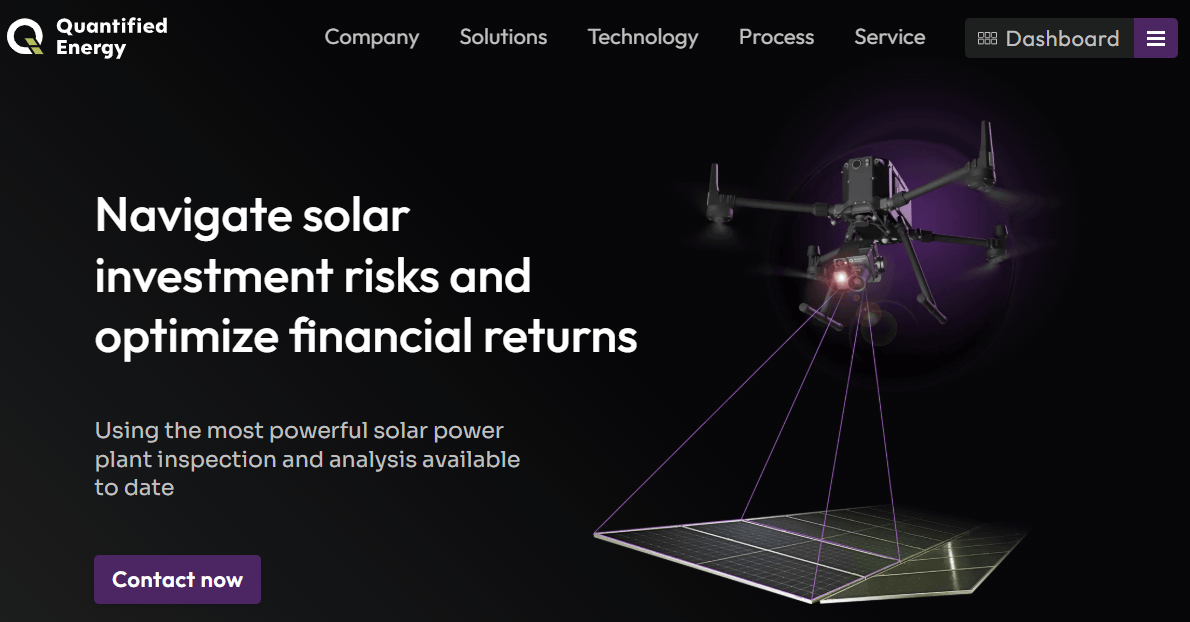
Quantified Energy is a spin-off from the Solar Energy Research Institute of Singapore at NUS that inspects solar farms using autonomous drone electroluminescence mapping. The technique brings a factory-grade quality test into the field, letting asset owners find cracked cells and underperforming modules without shutting a site down. Results feed a digital twin platform with AI analytics, and the company has completed inspections covering more than one million panels at a single site in three weeks.
Quantified Energy raised a Series A round led by Vertex Ventures Southeast Asia and India, which it is using to roll out a second-generation inspection payload on a pay-per-use model for partners already operating DJI drones. Deployments now span Asia, Europe, Oceania and the Middle East, supported by a memorandum of understanding with TÜV Rheinland covering European markets including Spain and Portugal.
14. Hupo
Year Founded: 2022
HQ: Singapore
Size: 51-200
Founders: Justin Kim, Bek Abdik and Jean Neo
![Hupo]()
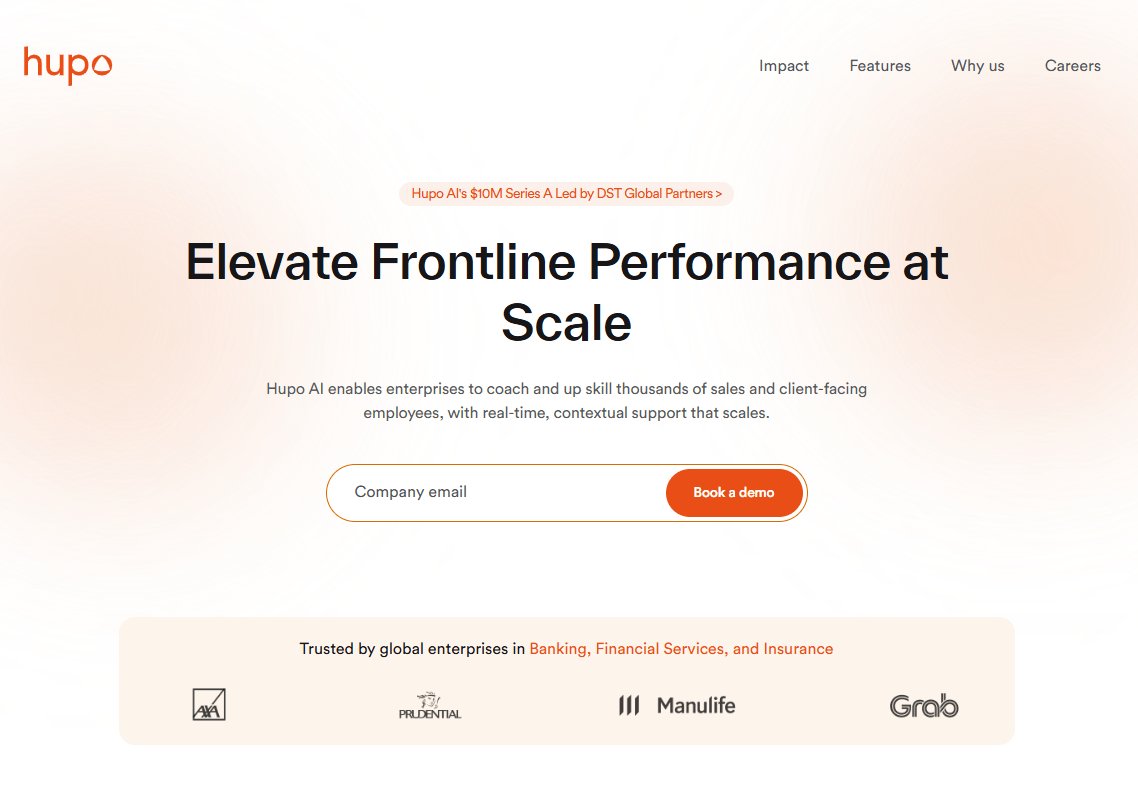
Hupo started life as a mental wellness app and pivoted into AI sales coaching for banks, insurers and asset managers. Its platform listens to live client conversations and delivers contextual guidance built around each firm's products, scripts, compliance rules and language, rather than the generic advice most sales enablement tools produce. Customers include Prudential, AXA, Manulife, HSBC, Bank of Ireland and Grab, and the company reports contract expansion of three to eight times within the first six months.
Hupo raised $10 million in a Series A led by DST Global Partners, with Collaborative Fund, Goodwater Capital, January Capital and Strong Ventures participating, bringing total funding to about $15 million. The round funds a United States launch aimed at insurers with the same regulatory complexity as its Asian customers.
15. Datakrew
Year Founded: 2019
HQ: Singapore
Size: 1-50
Founders: Sumanta Bose
![Datakrew]()
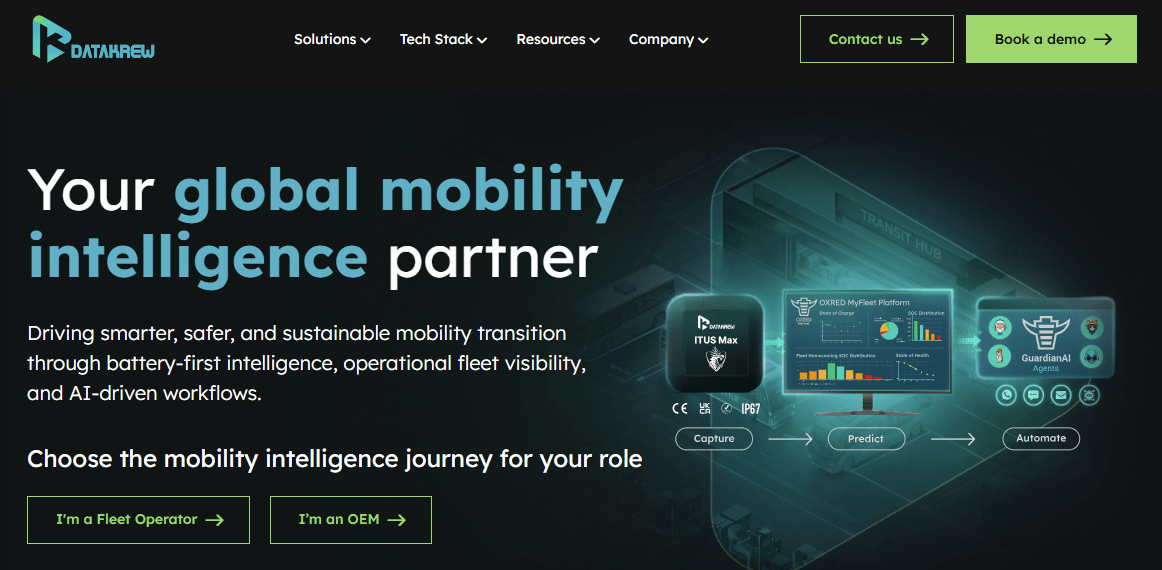
Datakrew is a Nanyang Technological University startup that turns raw electric vehicle telemetry into battery intelligence. Its OXRED MyFleet platform predicts degradation, flags safety risks and models energy efficiency for fleet operators, manufacturers and insurers, going well beyond the trip-and-location data conventional telematics provides. The company reports analysis of more than 10,000 battery assets across seven countries, drawing on over 105 million kilometres of proprietary driving data.
In March 2026 Datakrew closed $2.6 million in pre-Series A funding led by Greenwillow Capital Management, with Beenext, 500 Global, SG Growth Capital, XA Network and AngelList participating. The round funds a wider rollout across Asia, Europe and the Americas, alongside hires in battery machine learning and commercial leadership.
FAQs
1. What makes Singapore an attractive location for startups?
Singapore combines regulatory clarity, deep capital and direct access to Southeast Asian markets in a single jurisdiction.
- The country ranks fourth globally in StartupBlink's Global Startup Ecosystem Index, with an ecosystem value of roughly US$292 billion.
- Over 500 venture capital firms and more than 220 incubators, accelerators and venture builders operate locally.
- Startup SG Equity co-invests public money alongside qualified private investors, reducing risk for early-stage backers.
- English-language commercial law, low corporate tax and startup tax exemptions lower the cost of setting up.
- The city sits within reach of roughly 600 million ASEAN consumers, so companies build for a regional market from day one.
2. Which sectors are strongest for Singaporean startups?
Fintech leads on capital raised, with deep tech and AI the fastest-growing categories for new company formation.
- Fintech benefits from the Monetary Authority of Singapore's regulatory sandbox and the annual Singapore FinTech Festival.
- Deep tech covers semiconductors, photonics, robotics, quantum security and advanced manufacturing, much of it spun out of NUS, NTU and A*STAR.
- Healthtech and biotech draw on the Science Park life sciences cluster and research and development hubs run by global pharmaceutical firms.
- Agrifood technology is driven by the national "30 by 30" target to produce 30% of nutritional needs locally by 2030.
- Climate and energy technology has expanded on the back of the Singapore Green Plan 2030 and mandatory sustainability disclosure.
3. How many startups are there in Singapore?
Singapore is home to more than 4,500 active technology startups, a large share of them founded in the past five years.
- Roughly 6,000 companies in Singapore have raised institutional funding to date.
- More than 5,000 new companies were founded in the last five years, raising over US$7.6 billion between them.
- Around 30 have reached unicorn status, though most of the ecosystem sits at seed and Series A.
- Startup activity is concentrated in the central business district, one-north and Singapore Science Park.
4. How fast is Singapore's startup industry growing?
Growth has been strong in value terms even as investors write fewer, larger cheques.
- Singapore's ecosystem value grew 24.4% year on year in the most recent StartupBlink index.
- Startups raised US$6.23 billion across 86 equity rounds in the first half of 2026, against US$3.09 billion across 131 rounds a year earlier.
- Deal counts have fallen while round sizes have risen, indicating a more selective market with heavier diligence.
- Deep tech has held up comparatively well, accounting for roughly a quarter of deal value.
- Research, Innovation and Enterprise 2030 commits S$21.9 billion over five years from April 2026 to sustain the pipeline.