


Malaysia has matured into one of Southeast Asia's most watched startup bases, with Kuala Lumpur entering the top 20 of Startup Genome's emerging ecosystem ranking. Kuala Lumpur is the primary hub, anchored by strengths in fintech, healthtech, e-commerce, logistics, and a growing semiconductor and deep-tech scene.
Malaysian startups raised around US$257 million across 40 deals in 2025, with capital concentrating in fintech, AI, and insurtech. The country also captured roughly a third of the region's AI funding over the prior year.
The support layer is dense. Cradle Fund, MRANTI, 1337 Ventures, NEXEA, Antler, and ScaleUp Malaysia run accelerator and grant programs, while events such as the KL20 Summit and the MYStartup platform connect founders with investors and resources.
Government policy reinforces the momentum, with Jelawang Capital consolidating national venture funding under Khazanah and KL20 targeting a top-20 global hub position by 2030. A multilingual talent pool, lower operating costs than neighboring Singapore, and a strategic position for ASEAN expansion make Malaysia distinctive.
1. being juice
Year Founded: 2024
HQ: Kuala Lumpur, Malaysia
Size: 1-50
Founders: Sayantan Das
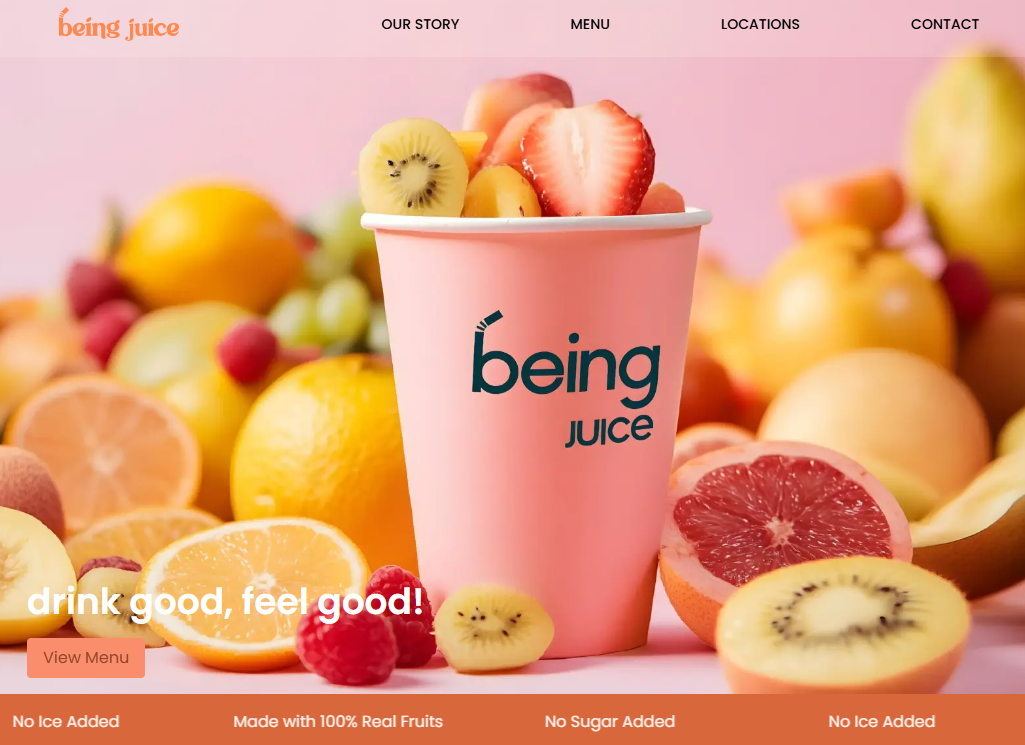
being juice is a digital-first, made-to-order beverage brand offering smoothies blended from 100% real fruits and vegetables, with no added sugar. Founded by former foodpanda Malaysia and Brunei CEO Sayantan Das, the brand sells through physical outlets across the Klang Valley and an ordering app, with a menu of 16 flavour combinations tuned to Southeast Asian tastes.
being juice raised US$1 million in a seed round led by 500 Global and BEENEXT in January 2025. The company is using the capital to expand its drinks menu, open additional stores across Malaysia, and grow its early presence in the Philippines.
2. Naluri
Year Founded: 2017
HQ: Kuala Lumpur, Malaysia
Size: 200+
Founders: Azran Osman-Rani, Hariyati Abdul Majid, and Jeremy Ting

Naluri is a digital health therapeutics company that combines behavioral science, psychology, and AI to help people predict, prevent, and manage chronic and mental health conditions such as diabetes, heart disease, anxiety, and depression. Its B2B2C model partners with insurers and employers to deliver coaching from health professionals and clinical psychologists, with clinically validated outcomes.
Naluri has raised over US$14.8 million across its funding history, including a Series A that drew on Malaysia's Dana Penjana National Program. The company has used its capital to expand operations across Singapore, Indonesia, Thailand, and the Philippines and to strengthen its data science capabilities.
3. Qmed Asia
Year Founded: 2018
HQ: Kuala Lumpur, Malaysia
Size: 51-200
Founders: Kev Lim, Tai Tzyy Jiun, and Nic Tai
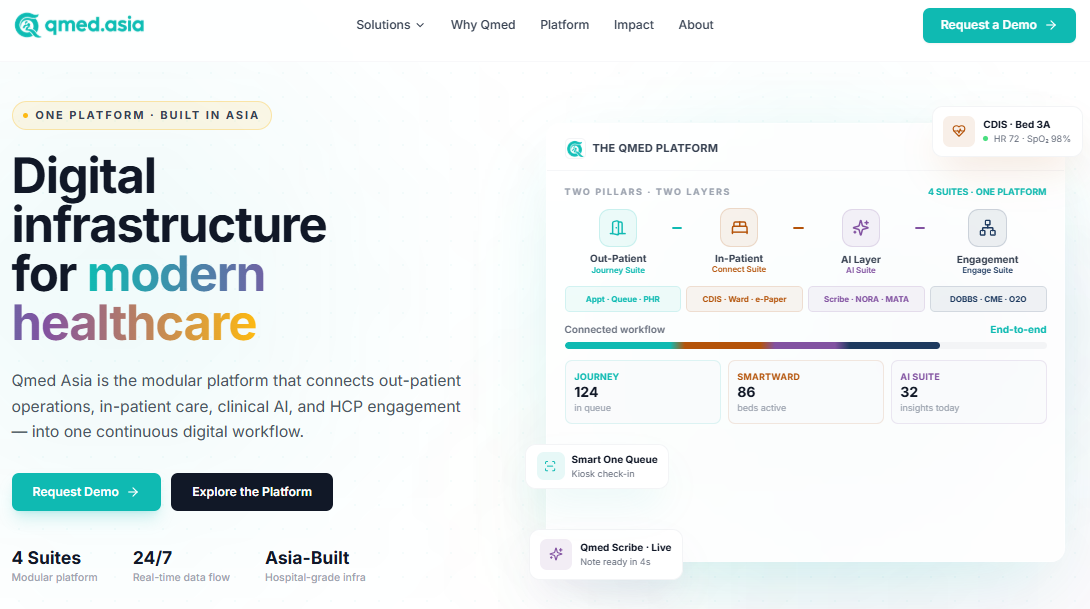
Qmed Asia is a healthtech company founded by doctors and engineers to help public and private healthcare providers with digital transformation. Beginning as an appointment booking and live queue system, it now serves over 4,000 healthcare providers and more than 3 million patients, and has expanded into telehealth kiosks and an AI clinical assistant called Qmed Copilot that supports faster, more accurate diagnoses.
Qmed Asia raised US$1.16 million through an equity crowdfunding campaign on Leet Capital, drawing support from 110 investors including the Malaysia Co-Investment Fund and 1337 Ventures. The capital supports regional expansion into markets such as Indonesia and Saudi Arabia and the development of its medical AI products.
4. ServAuto
Year Founded: 2024
HQ: Kuala Lumpur, Malaysia
Size: 1-50
Founders: Phoy Yong Hao, Han Mei, and Tan Guan Yu

ServAuto is a digital-first automotive aftersales platform founded by former Carsome executives to tackle fragmentation, opaque pricing, and parts authenticity issues in Malaysia's car servicing market. Customers book services such as oil changes and window tinting online, while ServAuto controls quality by sourcing parts directly from manufacturers and equipping branded workshops with standardized procedures. It served over 30,000 customers in its first year across a nationwide workshop network.
ServAuto raised new funding led by Vynn Capital in early 2026, bringing total capital to nearly US$6 million, with participation from Jelawang Capital, Openspace Capital, SWC Global, and Gobi Partners. The funding expands its service coverage and deepens its workshop network.
5. StoreHub
Year Founded: 2013
HQ: Kuala Lumpur, Malaysia
Size: 200+
Founders: Wai Hong Fong and Jin Min Lee
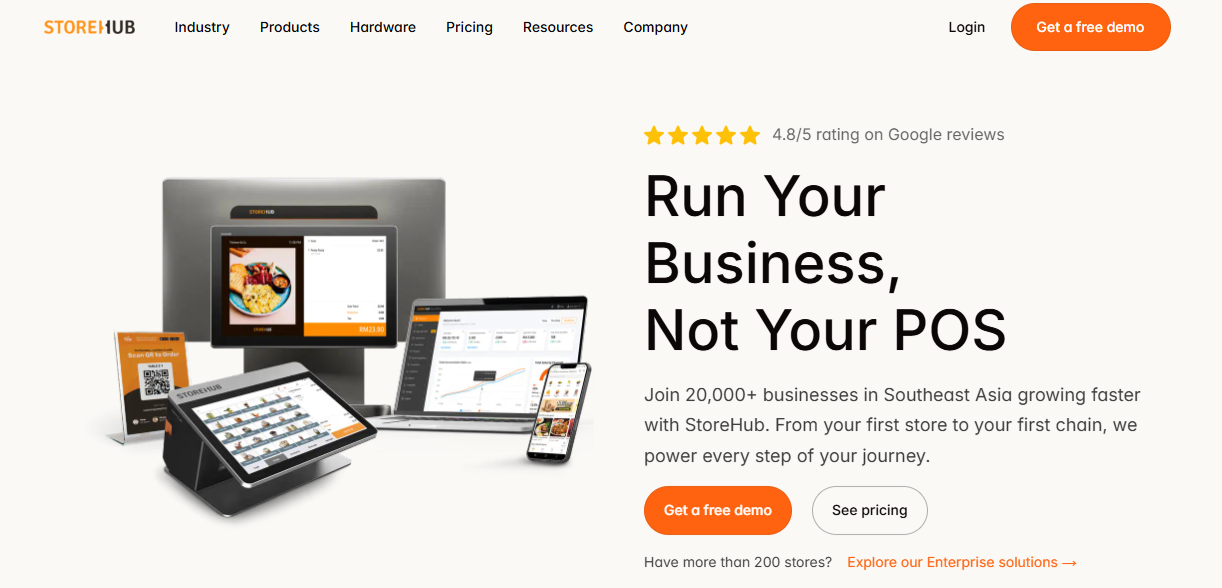
StoreHub provides cloud-based point-of-sale systems and business management software for retail stores and restaurants. Its product suite covers inventory management, analytics, customer engagement, and online ordering, helping small and mid-sized merchants run and grow their operations. The company has expanded into regional markets including Thailand, the Philippines, and Australia.
StoreHub has raised funding from venture investors including Vertex Ventures and Sequoia Capital India (Peak XV), built around subscription-based SaaS revenue. The company continues to invest in product development and regional expansion across Southeast Asia.
6. MoneyMatch
Year Founded: 2015
HQ: Petaling Jaya, Malaysia
Size: 51-200
Founders: Adrian Yap and Naysan Munusamy
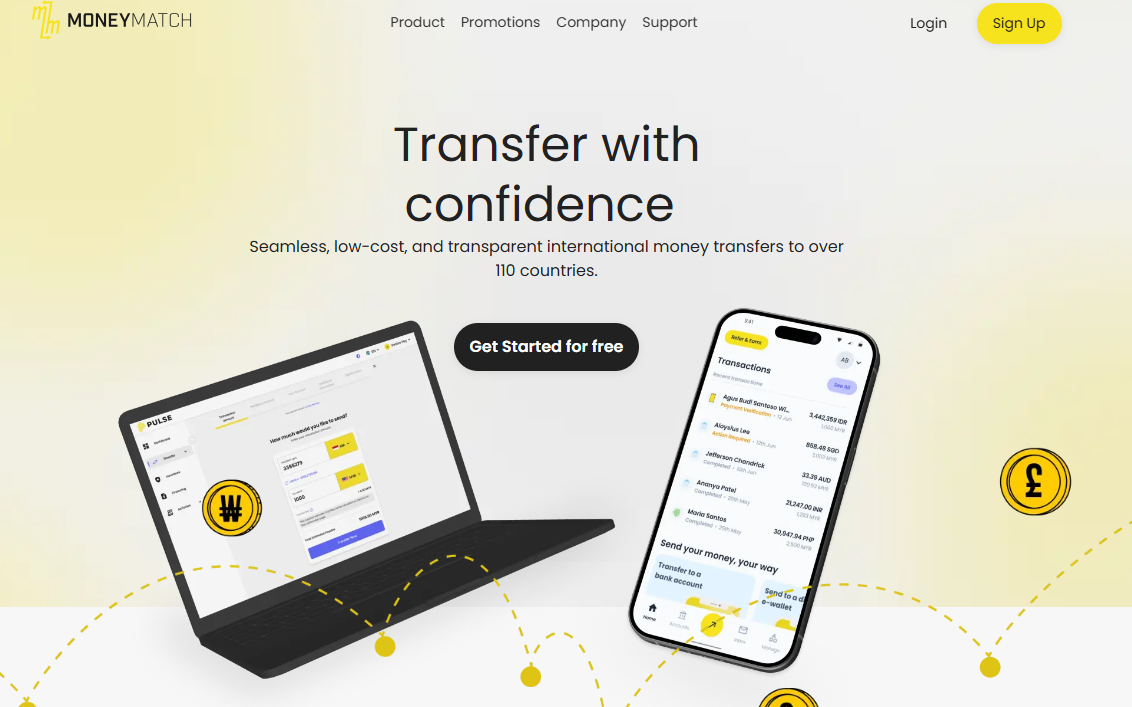
MoneyMatch is a fintech company offering cross-border payments and remittance services for individuals and businesses, built to provide a faster and lower-cost alternative to traditional bank transfers. One of the first graduates of Bank Negara Malaysia's regulatory sandbox, the company has processed billions of ringgit in cross-border transactions across its corporate and consumer products.
MoneyMatch has raised approximately US$6.25 million from investors including the Malaysian Technology Development Corporation, Cerana Capital, Cradle Seed Ventures, and KAF Investment Bank. The company continues to expand its remittance corridors and its base of business clients across the region.
7. Hoopi
Year Founded: 2024
HQ: Kuala Lumpur, Malaysia
Size: 1-50
Founders: Michael Lee

Hoopi is a B2B2C marketplace for trading card games and collectibles, built to address authenticity and transparency problems in the region's fragmented collectibles market. Its platform combines a consumer-to-consumer marketplace, auction-based card trading, live breaking sessions, and an in-house grading service called Grade Master. Since launching in September 2024, Hoopi has generated close to US$2.25 million in gross merchandise value across more than 40,000 paid orders, with over 20,000 active users.
Hoopi secured an undisclosed seed round led by Jakarta-based Creative Gorilla Capital in April 2025. The funding supports expansion of its user ecosystem and core services across Malaysia, Singapore, and Indonesia.
8. CapBay
Year Founded: 2016
HQ: Petaling Jaya, Malaysia
Size: 51-200
Founders: Ang Xing Xian, Dion Tan, Edwin Tan, and Darrel Ang
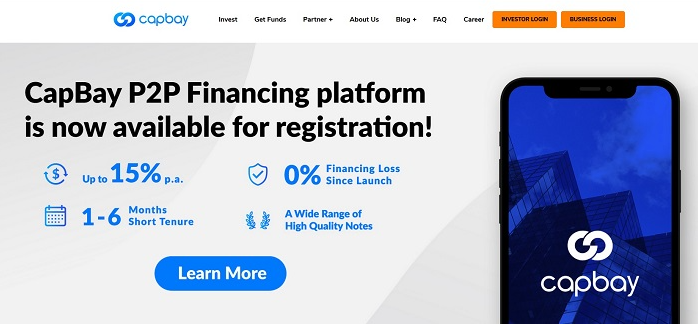
CapBay is a supply chain finance and peer-to-peer financing platform that helps small and medium enterprises unlock working capital trapped in their supply chains. Using a proprietary credit-decisioning model, it connects businesses with banks and investors and has channeled over RM4 billion in financing to more than 2,000 SMEs across 20 sectors. It is the only Malaysian fintech named to CNBC and Statista's World's Top Fintech Companies list for three consecutive years.
CapBay has raised around US$27.5 million across its funding rounds, including a Series A backed by Kenanga and KK Fund. In 2025 it expanded healthcare SME financing through new partnerships and extended its model into Thailand.
9. Paywatch
Year Founded: 2020
HQ: Kuala Lumpur, Malaysia
Size: 200+
Founders: Richard Kim and Alex Kim
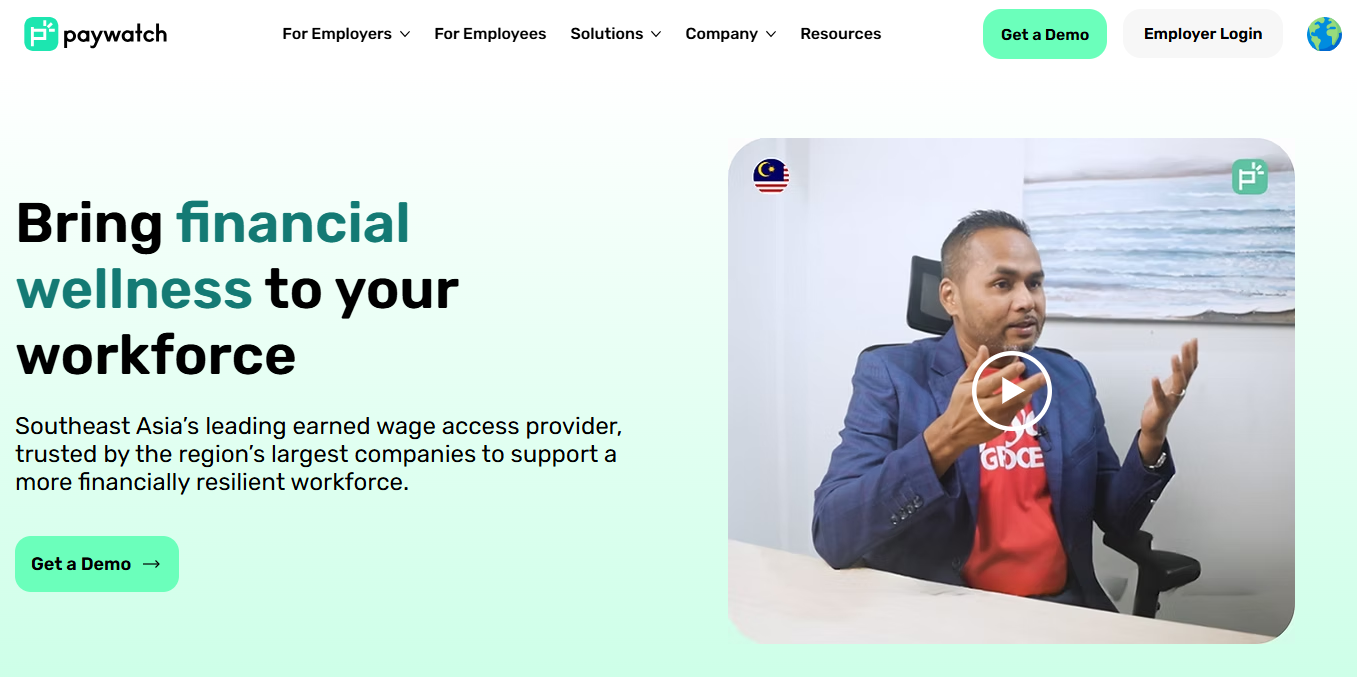
Paywatch is an earned wage access provider that lets employees draw a portion of their accrued salary before payday, reducing reliance on high-cost loans. Backed by major banks and recognized by regulators and the UN Capital Development Fund, the platform partners with leading employers across multiple markets including Malaysia, South Korea, and the Philippines.
Paywatch secured around US$30 million in equity and debt funding, with backers that include US institutional investors making their first investment in an Asian tech startup. The capital supports expansion of its earned wage access and financial inclusion offerings across the region.
10. Nvsion
Year Founded: 2025
HQ: Penang, Malaysia
Size: 1-50
Founders: Jeffrey Chung Wai Loong
Nvsion is a Penang-based deep-tech startup specializing in AI-powered Automated Optical Inspection (AOI) solutions for the semiconductor and electronics manufacturing sectors. Its proprietary Synthia Vision platform uses a hybrid of AI and rule-based algorithms to improve precision and efficiency in outsourced semiconductor assembly, test, and electronics manufacturing services.
Nvsion completed a multi-million ringgit seed round in September 2025 with Cambrian Fund, an Industry 4.0 vehicle backed by Khazanah Nasional's Dana Impak and the co-founders of ViTrox. The capital funds product development, talent recruitment, and customer base expansion.
11. Aonic
Year Founded: 2016
HQ: Subang Jaya, Selangor, Malaysia
Size: 51-200
Founders: Cheong Jin Xi
Aonic (formerly Poladrone) is an end-to-end drone solutions provider for agriculture and industrial sectors. The company designs and manufactures its own drones and software, replacing labor-intensive manual spraying on plantations, and reports that its technology can raise farm output and farmer incomes while cutting water usage. It runs a network of service centers across Southeast Asia and an approved drone pilot training academy.
Aonic raised a US$10 million Series A in March 2026, led by Kairous Capital with support from Jelawang Capital. The fresh capital deepens R&D, scales its Malaysia-built drones and software, and accelerates entry into international markets.
12. Krenovator
Year Founded: 2019
HQ: Kuala Lumpur, Malaysia
Size: 1-50
Founders: Mahadhir Yunus
Krenovator is an AI-powered tech talent platform that sources and develops skilled professionals for enterprise clients across sectors including oil and gas, logistics, manufacturing, and banking. Its platform gives clients access to a pool of nearly 30,000 tech professionals, primarily in Malaysia and Indonesia, and serves customers in Malaysia, the Middle East, and Europe.
Krenovator secured seed funding from Ignite Asia, a venture firm operating in Singapore and Malaysia, in a round closed in early 2025. The undisclosed capital is being used to expand the team and strengthen marketing and sales, as the company targets tripling revenue over 12 to 18 months.
13. Borong
Year Founded: 2017
HQ: Kuala Lumpur, Malaysia
Size: 51-200
Founders: Lennise Ng and Aizat Rahim
Borong (formerly Dropee) is a B2B e-commerce platform that connects wholesalers, distributors, and retailers, digitizing a traditional supply chain that often runs offline. The platform offers inventory management, order processing, payments, and financing tools, with real-time data and analytics aimed at helping SMEs cut costs and improve efficiency.
Borong raised a US$10 million round in 2023, building on an earlier pre-Series A led by Vynn Capital with participation from Hustle Fund and others. The company is using its funding to improve platform capabilities, expand its team, and accelerate market expansion across Southeast Asia.
14. Food Market Hub
Year Founded: 2017
HQ: Petaling Jaya, Malaysia
Size: 51-200
Founders: Shayna Teh and Anthony See
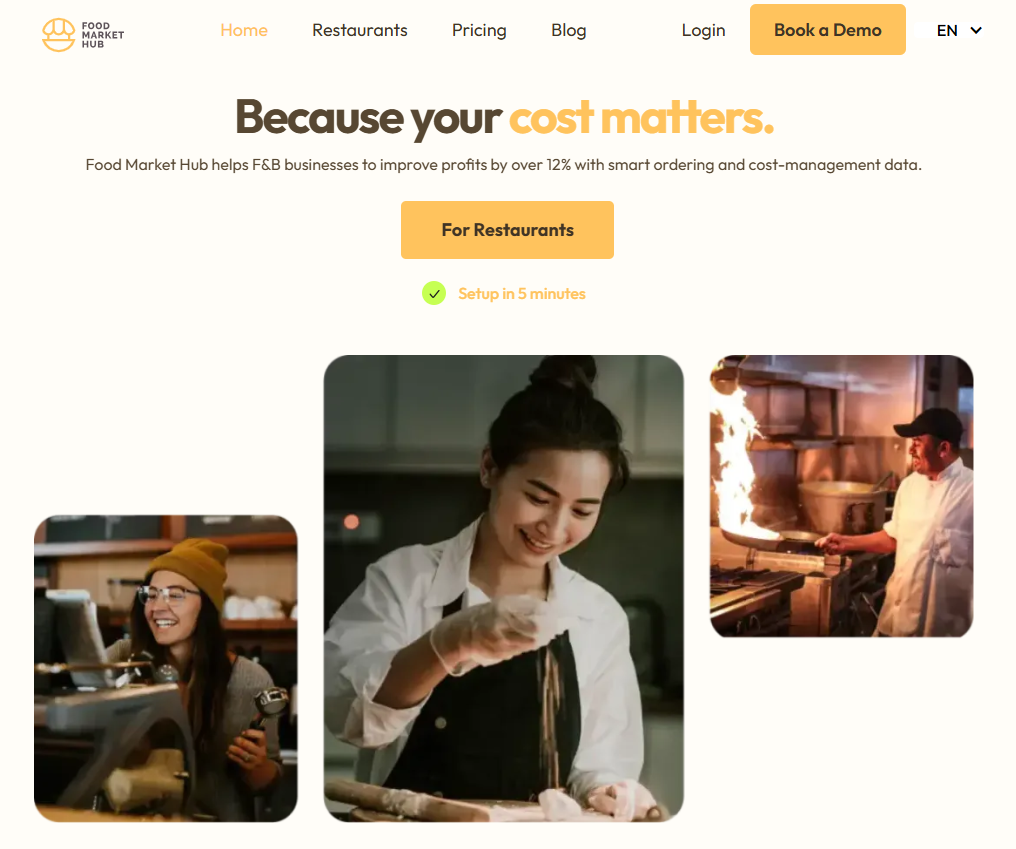
Food Market Hub is a cloud-based platform that automates back-end operations for food and beverage businesses. Its software handles automated purchasing and inventory tracking, syncing data from point-of-sale, inventory, and accounting systems so restaurants can reduce wastage and manage food costs more efficiently.
Food Market Hub raised US$8.5 million in an extended Series A round led by AC Ventures and backed by Malaysia's Penjana Kapital fund, bringing total Series A funding to around US$13 million. The company is using the capital to deepen its presence across Southeast Asian markets including Indonesia, Singapore, and Thailand.
15. PolicyStreet
Year Founded: 2017
HQ: Kuala Lumpur, Malaysia
Size: 51-200
Founders: Yen Ming Lee, Wilson Beh, and Winnie Chua

PolicyStreet is a full-stack insurtech operating across insurance distribution, embedded insurance, and reinsurance. Its API-first platform integrates contextual insurance into digital transactions across sectors such as gig work, mobility, travel, and logistics, and it now serves more than 10 million customers with total sum insured above US$10 billion. The company reported over US$1 million in profit for FY2025.
PolicyStreet has raised over US$43 million in total funding, with backing from sovereign wealth funds Khazanah Nasional and Japan's Cool Japan Fund alongside Altara Ventures and Gobi Partners. The capital supports regional expansion, technology infrastructure, and deeper partnerships across Asia.
FAQs
What makes Malaysia an attractive location for startups?
Malaysia combines lower operating costs, strong public infrastructure, and a strategic launchpad into the wider ASEAN market.
- Kuala Lumpur entered the top 20 of Startup Genome's emerging ecosystem ranking.
- Operating costs and talent are more affordable than in neighboring Singapore.
- A multilingual, multicultural workforce supports regional expansion from day one.
- National programs such as KL20 and Jelawang Capital channel government and sovereign capital into the ecosystem.
What are the strongest industry sectors for startups in Malaysia?
Fintech leads, followed by a broad spread across healthtech, e-commerce, logistics, and deep tech.
- Fintech and enterprise applications attract the most venture funding.
- Healthtech and insurtech are growing on the back of digital adoption and regulatory support.
- Semiconductors and AI are rising priorities under the National Semiconductor Strategy and national AI initiatives.
- Agritech, e-commerce, and logistics remain active, supported by a strong digital consumer base.
How many startups are there in Malaysia?
Malaysia hosts thousands of active startups, with estimates varying by source and methodology.
- The MYStartup platform has onboarded over 4,400 active startups to date.
- The government targeted the creation of 5,000 startups under its ecosystem roadmap.
- Kuala Lumpur is the dominant hub, with Penang and Cyberjaya as secondary centers.
- The ecosystem includes two unicorns and a growing base of funded early-stage companies.
How fast is the startup industry growing in Malaysia?
Malaysia's startup industry is expanding steadily, though funding is consolidating into fewer, larger rounds.
- Startups raised around US$257 million across 40 deals in 2025.
- Malaysia captured roughly a third of Southeast Asia's AI funding over the prior year.
- Government-linked VC allocation was increased to RM750 million under Budget 2026.
- Kuala Lumpur targets a top-20 global startup hub position by 2030.