



































Jump to16 sections
Japan has one of Asia's deepest startup scenes, with Tokyo as its main hub and growing clusters in Kyoto, Osaka and Fukuoka. StartupBlink's 2026 index ranks Japan 18th in the world and places Tokyo 13th among global cities.
Japanese startups raised ¥761.3 billion in 2025, roughly level with 2024, across about 2,700 funded companies. Capital is concentrating in later rounds, with Series B funding rising to ¥192.4 billion as Series A totals fell to ¥139.1 billion.
The support layer includes the METI-backed J-Startup programme, university funds such as UTokyo IPC, and corporate venture arms run by Sony, Toyota and JR East. Pitch events such as B Dash Camp, IVS in Kyoto and SusHi Tech Tokyo bring founders and investors together each year.
The government's Startup Development Five-Year Plan, launched in 2022, set out to grow startup investment tenfold by 2027. Strong research universities, deep-pocketed industrial buyers and public grant schemes for climate, space and fusion technology give Japanese founders an unusual mix of patient capital and demanding first customers.
At a Glance
All 14 companies in one view. Filter by team size or tap a column header to sort.
| Company | HQ | Founded | Team size | Latest round |
|---|---|---|---|---|
| LayerX | Tokyo | 2018 | 200+ | ¥15 billion, Series B |
| Planet Savers | Tokyo | 2023 | 1-50 | ¥1.08 billion, Pre-Series A |
| RoboTruck | Tokyo | 2024 | 51-200 | about ¥5.2 billion, Series A |
| Qoly | Tokyo | 2025 | 1-50 | ¥1.8 billion, Series A |
| Facilo | Tokyo | 2021 | 51-200 | ¥6.4 billion, Series B |
| cosmobloom | Tokyo | 2023 | 1-50 | ¥330 million, Seed |
| Mitsumore | Tokyo | 2017 | 200+ | about ¥3 billion, Series B |
| Beff | Tokyo | 2023 | 1-50 | about ¥750 million, Series A |
| kickflow | Tokyo | 2020 | 51-200 | about ¥1.06 billion, Series A |
| Helical Fusion | Tokyo | 2021 | 1-50 | US$5.5 million, Series A extension |
| Telexistence | Tokyo | 2017 | 51-200 | US$170 million, Series B |
| VALANCE | Tokyo | 2025 | 1-50 | ¥270 million, Seed |
| Metagen Therapeutics | Tsuruoka | 2020 | 1-50 | ¥3.52 billion, Series B |
| ACIMUS | Tokyo | 2024 | 1-50 | about ¥65 million, Seed |
1. LayerX
- Year Founded
- 2018
- HQ
- Tokyo, Japan
- Size
- 200+
- Founders
- Yoshinori Fukushima, Yuki Matsumoto
LayerX builds Bakuraku, an AI software suite that automates invoice processing, expense claims and other back-office work for Japanese companies. Bakuraku reached 15,000 customers by April 2025, and headcount roughly doubled to about 430 people in under two years.
LayerX raised ¥15 billion (about US$100 million) in a Series B led by TCV, the US growth fund's first investment in a Japanese startup, with MUFG, JAFCO, Keyrock Capital, Coreline Ventures and JP Investment joining. The money goes into engineering and sales hiring and into its AI agent business.
2. Planet Savers
- Year Founded
- 2023
- HQ
- Tokyo, Japan
- Size
- 1-50
- Founders
- Kyo Ikegami
Planet Savers is a University of Tokyo spinout developing direct air capture, using its own zeolite adsorbent to pull carbon dioxide out of the atmosphere. The company is scaling its capture units towards tens of tonnes of CO2 a year and testing supply to industrial users of captured carbon.
Planet Savers raised ¥1.08 billion (about US$7 million) in a pre-Series A round in November 2026 led by ANRI, with Spiral Capital, JAFCO, DBJ Capital, HIRAC FUND and SG Incubate taking part. Combined with new grants from the Ministry of the Environment and the Tokyo government, the round tops ¥1.6 billion, and the funds cover adsorbent scale-up, customer trials and hiring.
3. RoboTruck
- Year Founded
- 2024
- HQ
- Tokyo, Japan
- Size
- 51-200
- Founders
- Nan Wu, Yusuke Haga
RoboTruck develops Level 4 autonomous driving systems for heavy-duty trucks, aimed at Japan's long-haul driver shortage. The government's logistics plan targets 1,000 autonomous trucks on Japanese roads by fiscal 2030, and RoboTruck is building its system for that rollout.
RoboTruck secured about ¥5.2 billion (about US$35 million) in equity at the first close of its Series A in July 2026, led by JIC Venture Growth Investments. SPARX's Mirai Creation Fund III and Mitsubishi UFJ Capital joined existing backers Globis Capital Partners, Archetype Ventures and SMBC Venture Capital, and a second close is in preparation.
4. Qoly
- Year Founded
- 2025
- HQ
- Tokyo, Japan
- Size
- 1-50
- Founders
- Yohei Kuroda, Kazuhito Wakana
Qoly is a Sony spinout building robotic systems that assist surgeons with microsurgery, the delicate repair of tiny blood vessels, nerves and lymphatic vessels under a microscope. CEO Yohei Kuroda led Sony's surgical robotics research before the team spun out in October 2025.
Qoly raised ¥1.8 billion (about US$12 million) in a Series A in February 2026, co-led by Fast Track Initiative and MedVenture Partners with Sony Group and the Development Bank of Japan. The round funded the launch of operations and product development towards clinical use.
5. Facilo
- Year Founded
- 2021
- HQ
- Tokyo, Japan
- Size
- 51-200
- Founders
- Hiroshi Ichikawa, Yasutaka Umebayashi
Facilo runs a communication cloud for real estate brokers, keeping property proposals, schedules and tasks for each buyer in one shared space. By September 2026 the platform was in use at 2,300 brokerage branches by more than 13,000 sales agents.
Facilo raised ¥6.4 billion in a Series B package in September 2026, made up of ¥3.9 billion (about US$26 million) in equity plus debt and a credit line, led by Globis Capital Partners. Total funding has reached about ¥8.3 billion, and Facilo is using it to build more AI products for brokers after bringing pricing-AI firm Collabit into the group.
6. cosmobloom
- Year Founded
- 2023
- HQ
- Tokyo, Japan
- Size
- 1-50
- Founders
- Momoko Fukunaga, Hiroyuki Ono, Takeru Nakamura
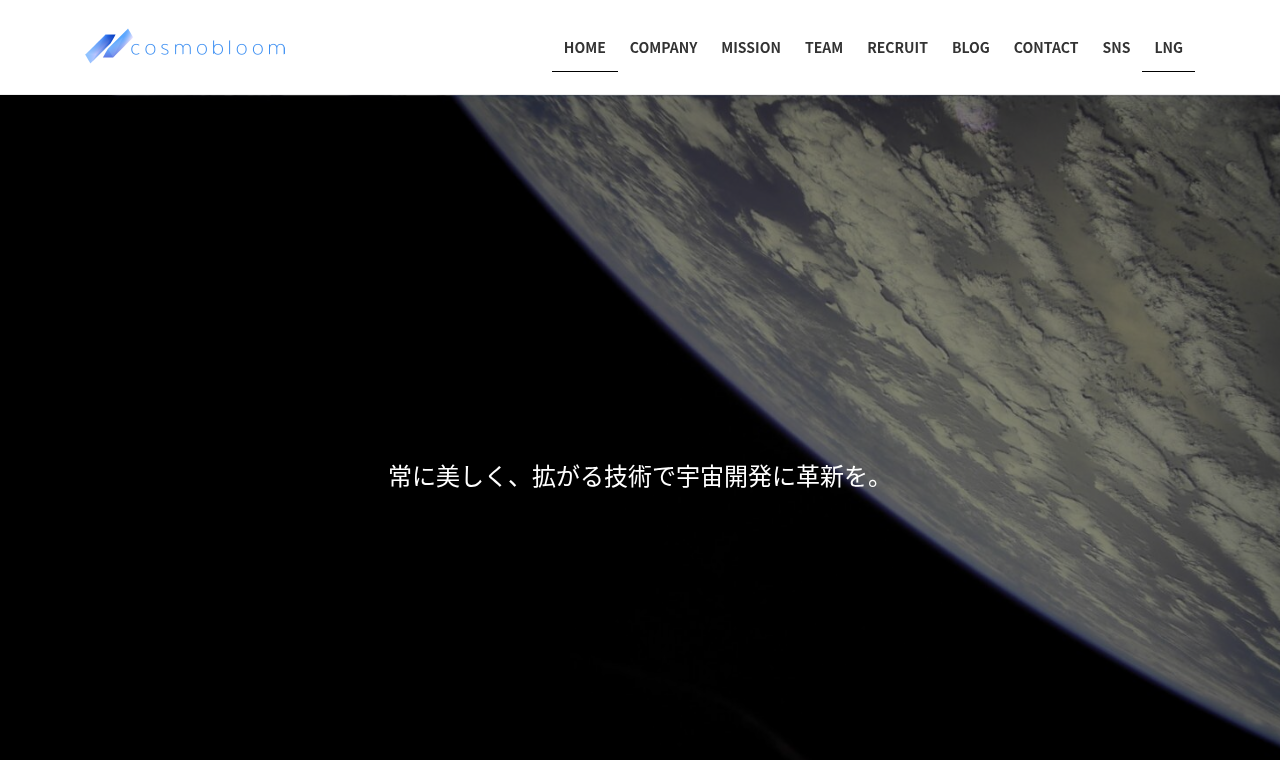
cosmobloom designs ultra-light membrane structures for spacecraft that fold to tens of cubic centimetres for launch and open to tens of cubic metres in orbit. Its first product, a compact deorbit sail that drags spent satellites down, has already sold to Japanese satellite makers, and the team also takes JAXA analysis work.
cosmobloom raised ¥330 million (about US$2.2 million) in a seed round in August 2026 from Toyota Invention Partners, Taiyo Kogyo, Sega Sammy Holdings, Pola Orbis Holdings, Animal Spirits, ZVC and Asia Defense Innovation Fund. The funds go into large membrane antennas for direct satellite-to-phone links and thin-film solar paddles.
7. Mitsumore
- Year Founded
- 2017
- HQ
- Tokyo, Japan
- Size
- 200+
- Founders
- Ayako Ishikawa, Fumiya Karasawa
Mitsumore runs an online marketplace where households and businesses request quotes from local service providers, alongside ProOne, a SaaS tool for field-service companies, and Hacchu, a procurement service for corporate buyers. Together the products cover lead generation, ordering, job management and procurement for trades firms.
Mitsumore added about ¥3 billion (about US$20 million) in April 2026, lifting its Series B total to about ¥7 billion and lifetime funding to about ¥8.9 billion. SMBC Edge led the extension with X&KSK, MS&AD Ventures and Daiwa House Ventures, and the money goes into AI features, sales and customer success.
8. Beff
- Year Founded
- 2023
- HQ
- Tokyo, Japan
- Size
- 1-50
- Founders
- Kodai Nagano, Shunsuke Amagai
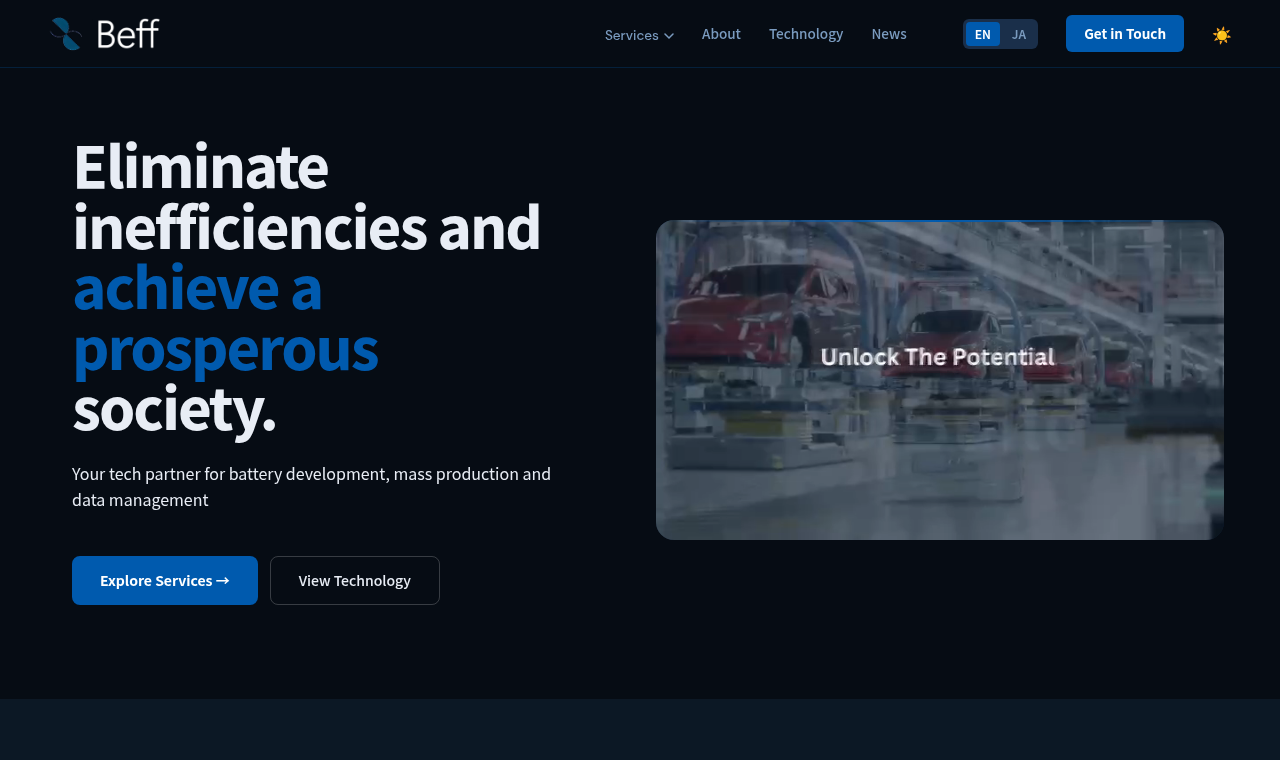
Beff is a battery-development startup led by two former Nissan battery engineers, with offices in Tokyo and Germany. Its Beff Navigator software combines materials data, cell designs, test conditions and measurement results so battery makers can shorten the path from lab to mass production.
Beff closed its Series A at about ¥750 million (about US$5 million) in October 2026, led by Genesia Ventures with Mitsubishi UFJ Capital, Sumitomo Corporation Venture Partners and JM Strategic Innovation Fund. Total funding stands at about ¥950 million, and the money pays for global hires and an in-house lab.
9. kickflow
- Year Founded
- 2020
- HQ
- Tokyo, Japan
- Size
- 51-200
- Founders
- Taito Shigematsu, Keisuke Kobayashi
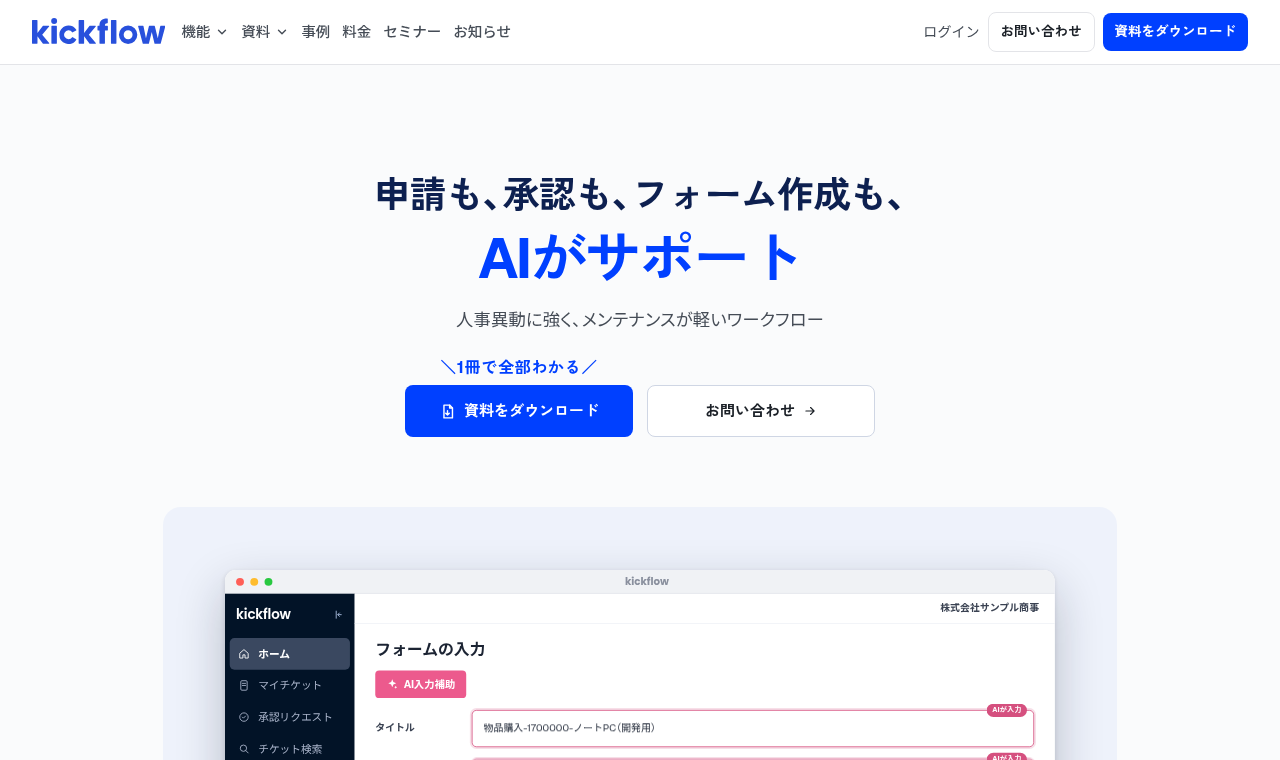
kickflow sells an AI-assisted cloud workflow system that handles approvals, requests and internal sign-offs for companies ranging from startups to Prime-listed groups. In 2026 it launched Talentify, a talent management product that brings reviews, one-on-ones and surveys onto the same data layer.
kickflow raised about ¥1.06 billion (about US$7 million) in a Series A in late 2026, including about ¥700 million of new shares bought by SMBC Venture Capital, GMO Equity Management, Money Forward and Mitsui Sumitomo Insurance Capital. Equity raised to date totals about ¥1.34 billion, and the round comes with a business tie-up with Money Forward.
10. Helical Fusion
- Year Founded
- 2021
- HQ
- Tokyo, Japan
- Size
- 1-50
- Founders
- Takaya Taguchi, Junichi Miyazawa, Takuya Goto
Helical Fusion is developing a helical fusion reactor based on research from Japan's National Institute for Fusion Science, with a roadmap towards steady-state net power generation. The company has tested high-temperature superconducting conductors for its magnets and was selected for a METI programme supporting fusion power deployment.
Helical Fusion added a US$5.5 million Series A extension in December 2025 on top of a ¥2.3 billion (about US$15 million) Series A. Cumulative funding is about ¥6 billion, which supports development of its superconducting magnets and reactor components.
11. Telexistence
- Year Founded
- 2017
- HQ
- Tokyo, Japan
- Size
- 51-200
- Founders
- Jin Tomioka, Charith Fernando, Susumu Tachi
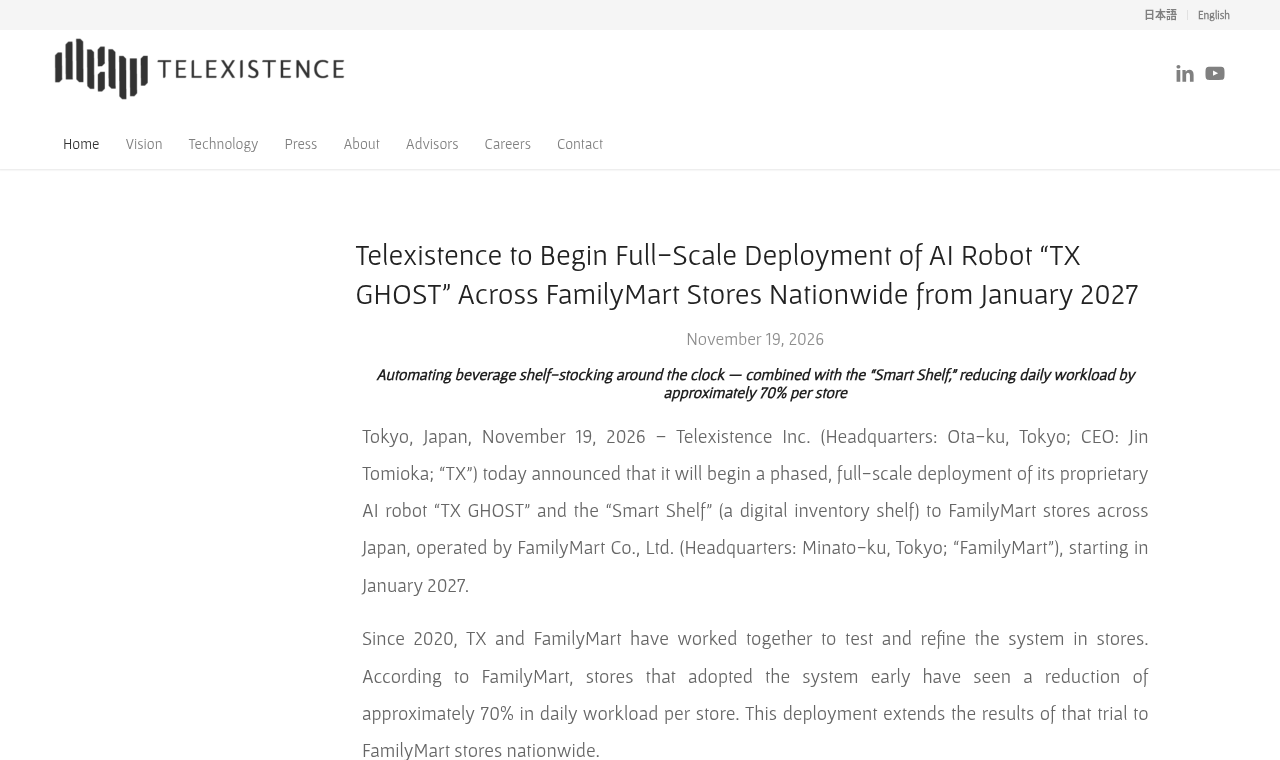
Telexistence builds robots that restock drinks shelves in convenience stores, with deployments at FamilyMart and 7-Eleven in Japan. The company runs hundreds of its own robots in live stores and is working with US-based Physical Intelligence on AI models for more general robot skills.
Telexistence raised US$170 million in a Series B, with SoftBank Group, Foxconn's HH-CTBC Partnership and Globis Capital Partners joining earlier backers including KDDI Open Innovation Fund and Airbus Ventures. The funds support mass production of its GHOST robot with Foxconn and expansion in North America.
12. VALANCE
- Year Founded
- 2025
- HQ
- Tokyo, Japan
- Size
- 1-50
- Founders
- Shun Watanabe, Kodai Yamaguchi
VALANCE offers an AI-driven supply chain management platform for mid-sized and small Japanese manufacturers and distributors. Customers upload documents and existing SCM data, and the system builds a company-specific setup they can run through a chat interface without specialist staff.
VALANCE raised ¥270 million (about US$1.8 million) in a seed round in February 2026 led by Delight Ventures, with SMBC Edge and Mitsubishi UFJ Capital. Total funding is ¥310 million, which goes into its AI engine, product development and hiring.
13. Metagen Therapeutics
- Year Founded
- 2020
- HQ
- Tsuruoka, Yamagata, Japan
- Size
- 1-50
- Founders
- Taku Nakahara, Dai Ishikawa, Shinji Fukuda, Takuji Yamada

Metagen Therapeutics develops fecal microbiota transplantation therapies for ulcerative colitis, cancer and Parkinson's disease. It runs Japan's first stool donor service and donation room in Tsuruoka, and an advanced-medicine study in ulcerative colitis reached a 45.9% remission induction rate.
Metagen completed a Series B of ¥3.52 billion (about US$23 million) in February 2026, bringing total funding to ¥5.46 billion, with Aska Pharmaceutical, Canon Marketing Japan MIRAI Fund, MatsukiyoCocokara and Medipal among the final-close investors. The money funds a Phase 1/2 trial of an oral microbiome drug in Japan and the US.
14. ACIMUS
- Year Founded
- 2024
- HQ
- Tokyo, Japan
- Size
- 1-50
- Founders
- Koki Kikuchi
ACIMUS lets architects and builders create and edit BIM building models by typing plain instructions to a generative AI, with output in the IFC standard used by other design tools. A trial with JR East showed it could sharply cut the time needed to model existing station buildings from old paper drawings.
ACIMUS raised about ¥65 million (about US$430,000) in a seed round in October 2026 led by Link Capital, with Incubate Fund and JR East Startup, which also signed a business alliance. The funds extend the JR East work to more stations and build out its ACIMUS KIWARI design tool.
FAQs
1. What makes Japan an attractive location for startups?
Japan pairs a large domestic market with strong research and corporate buyers that back new suppliers.
- StartupBlink ranks Japan 18th worldwide and Tokyo 13th among cities in 2026
- University spinouts from Tokyo, Keio and others feed deep tech companies
- Corporate venture arms from Sony, Toyota, JR East and the megabanks invest early
- Public grants support climate, space and fusion projects
2. What are the strongest industry sectors for startups in Japan?
Business software, deep tech and climate technology attract much of the current funding.
- AI back-office and workflow tools such as LayerX and kickflow
- Robotics and autonomous mobility, from Telexistence to RoboTruck
- Energy and climate hardware, including fusion and direct air capture
- Space, battery and medical technology spun out of universities and large companies
3. How much do Japanese startups raise?
Funding has held steady in total, with smaller typical rounds.
- Japanese startups raised ¥761.3 billion in 2025
- About 2,700 companies received funding in 2025, down 6% on 2024
- The average round stayed at about ¥310 million
- The median round fell from ¥77.6 million to ¥62.4 million
4. Which investors are most active in Japanese startups?
Domestic VCs and corporate funds lead most rounds, with foreign growth funds appearing at later stages.
- Globis Capital Partners, JAFCO, ANRI and Genesia Ventures appear across several rounds
- Bank-linked funds such as SMBC Edge and Mitsubishi UFJ Capital invest from seed onwards
- TCV made its first Japanese investment in LayerX in 2025
- Government-linked JIC Venture Growth Investments backs capital-heavy companies